


How to Check Your Norwood Scale Baldness Stage at Home: Self-Diagnosis & Prevention Guide
Medical Review by: Prof. Dr. Soner Tatlıdede – August 2026
At-a-Glance Comparison
| Diagnostic Metric | Mature Hairline (Natural Aging) | Early Receding Hairline (Norwood 2–3) | Advanced Pattern Baldness (Norwood 4–7) |
| Recession Distance | 1 to 1.5 cm above highest forehead crease | More than 2 cm backward at temples | Extensive front-to-crown merging |
| Scalp Pattern | Smooth curve or very mild V-shape | Distinct “M” or “U” shape recession | Horseshoe band remaining at sides/back |
| Follicle Miniaturization | Absent; hair shaft diameter remains uniform | High at temporal borders (fine, short shafts) | Complete follicular inactivity in central zones |
| Typical Action Needed | Observation & healthy lifestyle maintenance | Medical therapy & preventative intervention | Surgical Hair Restoration (FUE / DHI) |
Looking into the bathroom mirror and noticing changes along your hairline or scalp can trigger immediate concern. A common question that arises for men entering their twenties and thirties is: Am I experiencing natural age-related changes, or am I showing the early signs of androgenetic alopecia?
Uncertainty often leads individuals to confuse a harmless, natural mature hairline with progressive pattern baldness. Understanding how clinical hair loss progresses and learning how to evaluate your scalp correctly at home provides clarity.
At Clinicana Hair Transplant Center in Istanbul, patient education forms the foundation of effective hair preservation.
This medical guide provides a step-by-step diagnostic framework based on the Hamilton-Norwood Scale, allowing you to self-evaluate your current hair loss stage, identify miniaturization early, and distinguish natural aging from progressive male pattern baldness.
What Is the Hamilton-Norwood Scale?
The Hamilton-Norwood Scale is the internationally recognized clinical classification system used by hair restoration surgeons to measure the progression of androgenetic alopecia (male pattern baldness).
First developed by Dr. James Hamilton in 1951 and later expanded by Dr. O’Tar Norwood in 1975, the scale categorizes hair loss into seven distinct anatomical stages. It evaluates two primary biological mechanisms:
- Frontal Hairline Recession: The backward movement of hair along the forehead and temporal angles.
- Vertex Miniaturization: The thinning and loss of hair density at the crown (top-back of the head).
Understanding where your hair sits on this scale determines whether non-surgical preventative treatments (such as Minoxidil, Finasteride, or PRP therapy) are sufficient, or whether surgical intervention becomes necessary.
Mature Hairline vs. Receding Hairline (Norwood 2 vs. Norwood 3)
One of the most frequent diagnostic errors occurs when young men mistake a maturing hairline for progressive androgenetic alopecia.
Understanding a Mature Hairline
During adolescence, men typically possess a low, slightly rounded “juvenile hairline.” Between the ages of 17 and 29, maturing androgen levels cause the hairline to retreat slightly.
- Distance: The frontal border moves upward approximately 1 to 1.5 cm above the highest forehead wrinkle.
- Uniformity: The transition is smooth and uniform, without leaving sparse patches or miniaturized hairs.
- Stability: Once the hairline reaches its natural position, progression halts naturally without leading to baldness.
Understanding a Receding Hairline (Norwood 2 & 3)
A receding hairline is an ongoing biological process driven by genetic sensitivity to Dihydrotestosterone (DHT), a byproduct of testosterone.
DHT binds to susceptible follicle receptors, causing them to shrink, shorten their growth cycle, and produce increasingly thin hair strands.
- Deep Temporal Angles: Hair recedes significantly at the temples, creating a pronounced “M”, “U”, or “V” shape.
- Progression: The recession moves progressively backward beyond 2 cm from the highest forehead crease.
- Miniaturization Zone: The border consists of fine, short, peach-fuzz-like hairs that gradually shed completely.
The 7 Stages of the Norwood Scale: Self-Diagnosis Guide
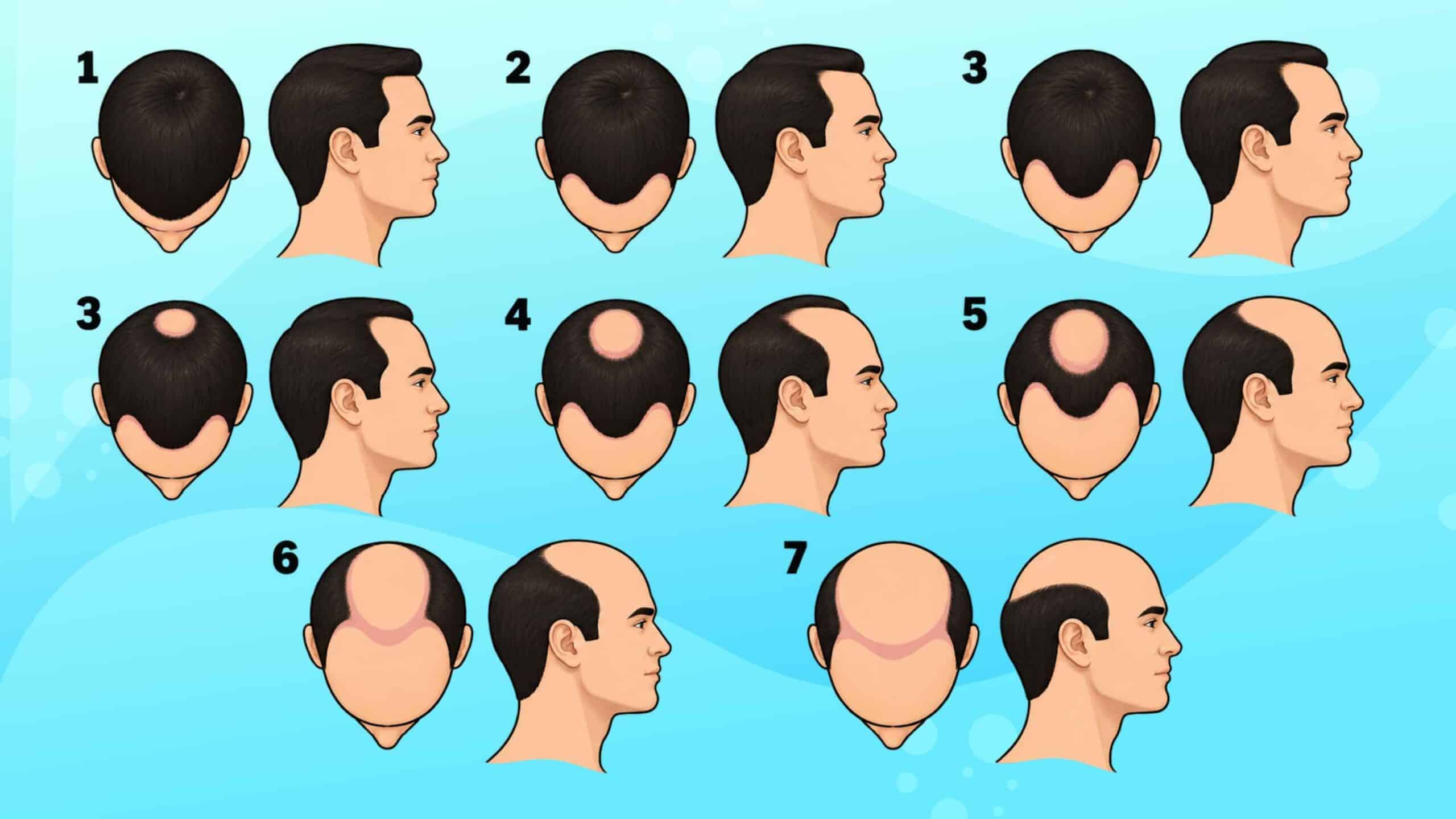
To evaluate your scalp density at home, review the clinical features of each Norwood stage:
Norwood Scale Visual Progression Matrix
Juvenile Line
(Full Density)
Mature Hairline
(Mild Recession)
Deep M-Shape
(Early Alopecia)
Front & Vertex
(Separated Spots)
Narrowing Bridge
(Between Zones)
Severe Loss
(Horseshoe Band)
Norwood Stage 1: Full Juvenile Scalp
- Features: No visible recession or density loss. The juvenile hairline remains completely intact across the frontal border.
- Clinical Action: No medical treatment required.
Norwood Stage 2: Minor Temporal Recession (Mature Hairline)
- Features: Slight, symmetrical recession at the temporal corners. The hairline sits roughly 1 to 1.5 cm above the top forehead crease.
- Clinical Action: Monitoring via periodic photos every 6 months.
Norwood Stage 3: The Early Clinical Threshold
- Features: Deep, symmetrical recession at the temples forming a clear “M” shape. Hairs along the receding border appear thin and short.
- Norwood Stage 3 Vertex: Temporal recession accompanied by early thinning at the crown (vertex).
- Clinical Action: Medical therapies (PRP, Minoxidil, DHT blockers) or conservative hair restoration (approx. 1,500 – 2,500 grafts).
Norwood Stage 4: Moderate Frontal and Vertex Thinning
- Features: Severe temporal recession combined with a distinct bald spot on the crown. A solid band of moderately dense hair still separates the frontal region from the vertex.
- Clinical Action: Targeted restoration to frame the face and cover the vertex (approx. 2,500 – 3,500 grafts).
Norwood Stage 5: Advanced Pattern Loss
- Features: The hair bridge separating the frontal recession and the vertex spot becomes extremely sparse and narrow.
- Clinical Action: Comprehensive hair transplant session prioritizing frontal density and structural coverage (approx. 3,500 – 4,500 grafts).
Norwood Stage 6: Merged Pattern Baldness
- Features: The separating bridge of hair disappears completely, joining the frontal and crown bald areas into a single large region.
- Clinical Action: Multi-session restoration planning to manage donor supply safely (approx. 4,500 – 6,000 grafts across two sessions).
Norwood Stage 7: Severe / Extensive Hair Loss
- Features: Only a narrow horseshoe-shaped band of hair remains along the sides and back of the scalp.
- Clinical Action: Strategic donor management, realistic density expectations, or body hair donor integration (BHT).
How to Check Your Norwood Stage at Home (Step-by-Step)
Performing an objective self-assessment requires simple steps under consistent lighting:
Step 1: The Eyebrow & Forehead Crease Test
- Stand facing a well-lit bathroom mirror.
- Raise your eyebrows high to create deep horizontal wrinkles across your forehead.
- Identify your top-most forehead wrinkle.
- Evaluation: Measure the distance between that top wrinkle and the lowest central point of your hairline. A gap of 1–1.5 cm indicates Stage 2 (Mature Hairline). A gap exceeding 2 cm, particularly at the corners, suggests Stage 3 or higher.
Step 2: The Two-Mirror Crown Check
- Stand with your back to a large wall mirror.
- Hold a hand mirror in front of your face and angle it upward to view the top-back of your head.
- Inspect the central whorl of your hair.
- Evaluation: A normal whorl exposes a tiny central skin point. Expanding scalp exposure around the whorl indicates Norwood 3-Vertex or Stage 4 progression.
Step 3: Follicle Miniaturization Check (Pinch Test)
- Gently pinch a group of hairs at the donor area (the back of your head) to feel their caliber.
- Next, feel the hair strands along your temporal corners or crown.
- Evaluation: If hair at the temples or crown feels significantly softer, finer, or weaker than hair at the back, your follicles are undergoing active DHT miniaturization.
5 Everyday Habits That Accelerate Hairline & Scalp Thinning
While genetics dictate underlying sensitivity to DHT, lifestyle habits can strain hair roots and accelerate pattern thinning:
1. Excessive Mechanical Tension (Traction)
Pulling hair tightly into man-buns, braids, or wearing tight sports helmets exerts continuous mechanical force on frontal roots, causing Traction Alopecia alongside pattern loss.
2. High Chronic Stress Levels
Prolonged physical or emotional stress raises systemic cortisol levels. Cortisol can push follicles prematurely into the telogen (resting) phase, triggering diffuse shedding that exacerbates receding hairlines.
3. Nutritional Deficiencies
Hair follicles require high metabolic energy to synthesize keratin. Diets deficient in Iron, Zinc, Vitamin D3, Vitamin B12, and essential amino acids weaken root anchorage and accelerate miniaturization.
4. Overuse of Harsh Products and Heat Tools
Daily application of aggressive chemical gels or blow-drying hair at maximum heat inflames the scalp epithelium, compromising root health.
5. Rough Towel Drying
Vigorously rubbing wet hair with a rough towel creates severe mechanical friction. Fragile, miniaturized hair shafts along the frontal line easily snap under this friction.
What Are Your Next Steps?
Accurately identifying your Norwood scale stage allows you to make informed decisions regarding your hair health:
- For Stages 1 to 2: Focus on maintaining a balanced lifestyle, reducing physical stress, and monitoring density every 6 months with high-resolution photos.
- For Stages 3 and Above: If self-assessment indicates progressive recession or crown thinning, exploring scientific options can help preserve density:
- Learn how natural hairlines are designed: Receding Hairline Solutions: Expert Hair Transplant Guide in Turkey
- Understand the importance of precise restoration: Why Does a Front Hairline Hair Transplant Fail?
Conclusion & Next Steps
Self-diagnosing your hairline is the first step toward taking control of your hair health. By distinguishing a natural mature hairline from progressive pattern baldness, you can evaluate your situation calmly and avoid unnecessary concern.
Get a Free Medical Evaluation from Clinicana
Unsure which Norwood stage describes your current hair density? You don’t have to guess.
At Clinicana Hair Transplant Center in Istanbul, our medical team offers free, confidential online assessments. Send us clear photos of your hairline, temples, and crown via WhatsApp to receive a personalized diagnostic evaluation from our specialists within minutes.
Academic & Clinical References
- National Center for Biotechnology Information (NCBI)
- Journal of Cutaneous and Aesthetic Surgery
- International Society of Hair Restoration Surgery (ISHRS)
For a closer look at each stage of a receding hairline, and how to tell it from a mature hairline, see our dedicated guides.


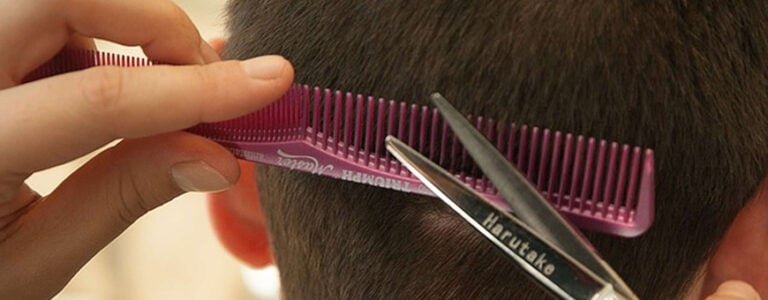
By Prof. Dr. Soner Tatlıdede · October 2026 When can you cut your hair after a hair transplant? Hair in the donor area can be trimmed after 1 month using scissors or clippers. As for the recipient area, trimming only the ends of the hair using scissors is permitted after 2 months. However, you must wait at […]
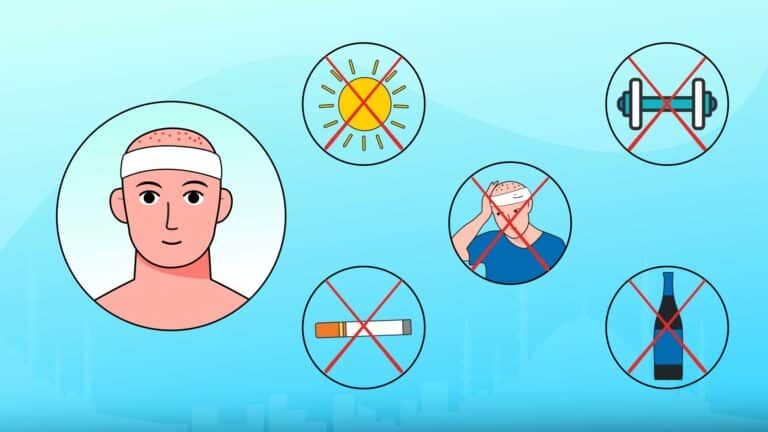
By Prof. Dr. Soner Tatlıdede · October 2026 Congratulations on completing your hair transplant. While the surgical part is finished, the success of your restoration now depends heavily on the recovery phase. In our clinical experience, the first two weeks post-surgery are just as critical as the procedure itself. Understanding what to avoid after a hair transplant […]
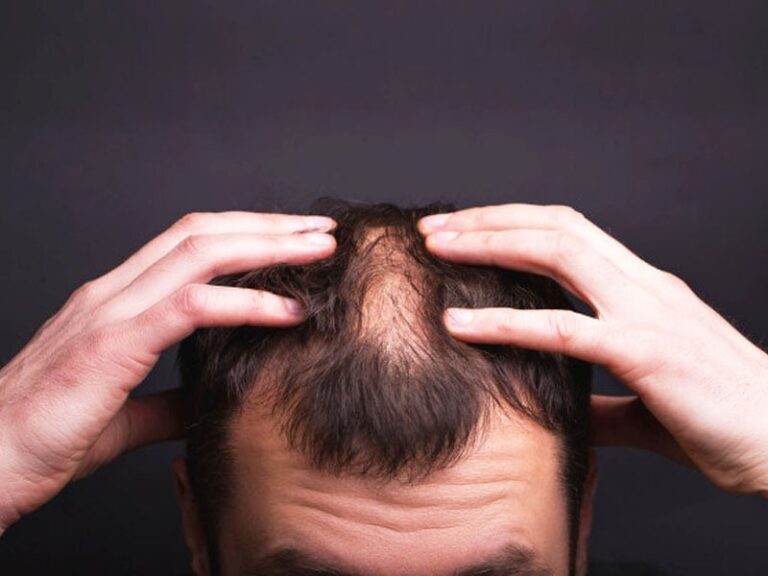
Scalp psoriasis and seborrheic dermatitis are chronic inflammatory conditions that frequently cause discomfort, itching, redness, and scaling. For individuals experiencing hair thinning alongside these conditions, severe anxiety often arises regarding permanent follicle loss and the feasibility of hair restoration. A central concern among patients is whether undergoing a hair transplant while managing scalp psoriasis is […]


Thank you!
Your details have been successfully submitted. Thanks!