


Early Signs of a Receding Hairline: Causes, Myths, and How to Check It
By Prof. Dr. Soner Tatlıdede • July 2026
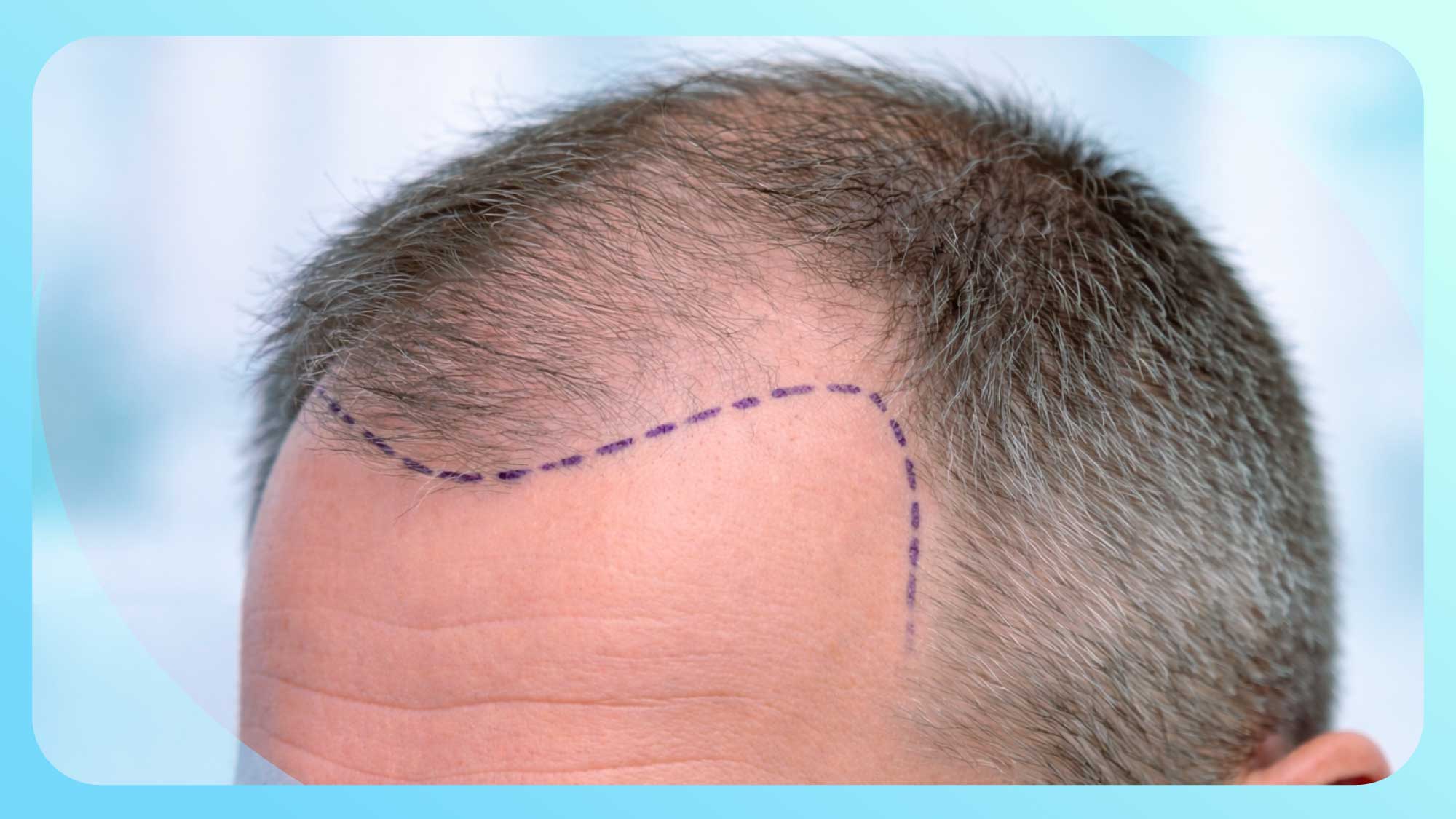
Where the frontal line needs rebuilding rather than thickening, Sapphire FUE is the technique most often used for hairline work.
Quick Summary Table (At-a-Glance Comparison)
| Feature / Metric | Mature Hairline (Natural Aging) | Receding Hairline (Pattern Hair Loss) |
| Typical Onset Age | 17 to 29 years old | Anytime after puberty (commonly mid-20s+) |
| Shape & Pattern | Even, slightly rounded, or mild V-shape | Pronounced “M” or “U” shape with deep temple recession |
| Recession Distance | Approx. 1 to 1.5 cm above the highest juvenile crease | More than 1.5 to 2 cm, continuing progressively backward |
| Miniaturization | Minimal; surrounding hair retains thickness | High; follicles turn fine, short, and translucent before shedding |
| Progression Speed | Stabilizes naturally after a minor retreat | Progressive; worsens over time without early intervention |
Noticing changes in your hairline can trigger instant anxiety. Every time you look in the bathroom mirror or style your hair, a simple question might cross your mind: Is my hairline actually receding, or is it just maturing naturally as I get older?
It is completely normal to feel concerned about hair loss. However, understanding the biological dynamics of your scalp is the first crucial step toward taking control of your hair health.
At Clinicana Hair Transplant Center in Istanbul, we focus exclusively on hair restoration and patient education to empower better health choices.
In this comprehensive guide, we will break down the essential differences between a mature and a receding hairline, detail step-by-step self-assessment methods, explore daily lifestyle habits that impact follicle density, and debunk widespread myths surrounding hair loss.
Mature Hairline vs. Receding Hairline: What Is the Difference?
One of the most frequent misconceptions in hair restoration is confusing a mature hairline with an early-stage receding hairline (androgenetic alopecia).
What Is a Mature Hairline?
During adolescence, your hairline is typically low, straight, and slightly rounded—often referred to as a “juvenile hairline.” As young men transition into their late teens and twenties, hormonal fluctuations (specifically maturing androgen levels) cause the hairline to shift upward slightly.
- A mature hairline typically sits about 1 to 1.5 centimeters above the highest wrinkle of your forehead.
- It retreats uniformly without leaving sparse, miniaturized patches across the mid-scalp.
- Once it reaches its natural position, progression stops completely.
What Is a Receding Hairline?
A receding hairline, on the other hand, is progressive. It occurs when hair follicles are genetically sensitive to Dihydrotestosterone (DHT), a byproduct of testosterone.
DHT causes hair follicles to shrink, shorten their growth cycle (anagen phase), and produce progressively thinner hairs until the follicle stops producing hair altogether.
- It often begins at the temples (the corners of your forehead), creating a classic “M” shape.
- The recession continues moving backward toward the vertex (crown) over months or years.
- Hair along the margins appears noticeably thinner, shorter, and less pigmented.
How to Check Your Hairline at Home (Step-by-Step)
Detecting early changes in your hair density doesn’t require complex clinical equipment. You can perform a reliable preliminary assessment at home using these four steps:
Step 1: The Forehead Wrinkle Test
- Stand in front of a well-lit mirror.
- Raise your eyebrows high to form deep horizontal wrinkles on your forehead.
- Locate your top-most wrinkle.
- Assessment: If your hairline sits within 1 to 1.5 cm above that top crease, you likely have a mature hairline. If the gap between the top wrinkle and your hair is wider than 2 cm, especially at the corners, your hairline may be receding.
Step 2: The Temple Angle Inspection
Pull your hair backward to expose both temples clearly:
- Symmetrical Curve: A natural, mature hairline maintains a smooth curve connecting the forehead to the sides.
- Sharp “M” Inward Recession: If the hair at the corners of your forehead retreats deep toward your ears while leaving a central point in the middle, this points toward pattern hair loss (Norwood Scale Stage 2 or 3).
Step 3: Check for Follicle Miniaturization
Examine the individual hair strands directly along your frontal line under bright light:
- Healthy Hairline: Strands have consistent thickness, texture, and color right up to the edge.
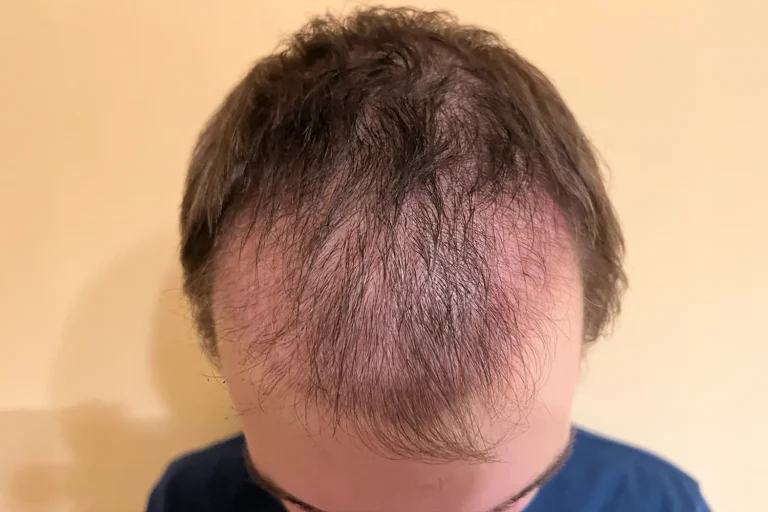
- Receding Hairline: You will notice a zone of fine, short, peach-fuzz-like hairs (miniaturized follicles) transitioning into normal hair.
Step 4: Baseline Photographic Comparison
Take clear, high-resolution photos of your front profile and temples every 3 to 6 months under identical lighting conditions. Comparing these over time eliminates guesswork and helps track true structural changes.
5 Everyday Habits That Accelerate Hairline Recession
While genetics and hormones play the dominant role in pattern hair loss, certain daily routines and external stressors can strain your hair roots and accelerate thinning along the frontal boundary.
| Daily Habit / Factor | Impact on Hairline & Scalp Health |
|---|---|
| 1. Excessive Mechanical Tension | Traction Alopecia Risks & Root Strain |
| 2. Harsh Chemical Treatments | Scalp Inflammation & Hair Shaft Breakage |
| 3. High Chronic Stress | Telogen Effluvium Trigger (Premature Shedding) |
| 4. Poor Nutritional Habits | Follicular Micronutrient Deficit (Iron, Zinc, Vitamins) |
| 5. Aggressive Scalp Washing | Cuticle Damage & Mechanical Friction |
1. Tight Hairstyles and Excessive Tension (Traction)
Pulling hair back into tight man-buns, braids, or wearing tight sports helmets subjects the frontal roots to continuous mechanical tension. Over time, this causes Traction Alopecia, damaging delicate frontal follicles permanently.
2. High Chronic Stress Levels
Physical or emotional stress elevates systemic cortisol levels. High cortisol can push a large percentage of hair follicles prematurely into the resting phase (telogen phase), causing widespread shedding that exacerbates an already weak hairline.
3. Nutrient Deficiencies and Restrictive Diets
Hair follicles require high metabolic energy to build keratin. Diets lacking essential micronutrients—specifically Iron, Zinc, Vitamin D, Vitamin B12, and essential amino acids—deprive roots of structural building blocks, accelerating miniaturization.
4. Overuse of Heavy Styling Products and Heat Tools
Daily application of aggressive chemical gels, waxes, or frequent blow-drying at high heat damages the outer cuticle layer of the hair shaft and inflames the scalp epithelium around the hair entrance.
5. Aggressive Towel Drying and Scalp Friction
Vigorously rubbing wet hair with a rough towel creates severe friction. Wet hair is in its most vulnerable state; rough handling easily snaps fragile miniaturized strands at the frontal line.
Debunking Common Myths About Receding Hairlines
Distinguishing scientific facts from popular urban legends is essential to avoid unnecessary worry and inefficient treatments.
- Myth 1: Wearing hats or caps causes a receding hairline.
- Fact: Wearing hats does not pull hair follicles or starve them of oxygen. Hair roots receive oxygen and nutrients through blood vessels in the scalp, not from external air. Only extremely tight headwear that physically rubs against the temples causes damage.
- Myth 2: Frequent shampooing makes your hairline recede faster.
- Fact: Finding shed hair in your shower drain during washing is completely normal. Shampooing removes hair that had already detached from the follicle days prior. Regular washing keeps the scalp clean and free of inflammatory sebum build-up.
- Myth 3: Shaving your head makes hair grow back thicker and fuller.
- Fact: Shaving cuts hair at the thickest part of the shaft near the skin surface, creating a temporary blunt tip that feels coarser. It has zero impact on internal follicle density, structure, or growth rate.
What Should You Do Next?
If your self-assessment suggests that your hairline is merely maturing, no specialized action is required—simply maintain healthy scalp hygiene and a balanced lifestyle.
However, if you observe progressive thinning, deep temple recession, or miniaturization, exploring early educational resources can help you understand the full landscape of hair restoration:
- Understand Potential Risks: Read our detailed analysis on why precision matters in hair restoration: Why Does a Front Hairline Hair Transplant Fail?
- Explore Treatment Options: Learn how expert clinics design natural front lines: Receding Hairline Solutions: Expert Hair Transplant Guide in Turkey
FAQ
How can I tell if my hairline is receding or just maturing?
A mature hairline moves back evenly by about 1 to 1.5 cm above your highest forehead crease and then stops. A receding hairline continues to move backward, forms a deep “M” shape at the temples, and is accompanied by hair thinning (miniaturization).
Can a receding hairline stop on its own?
A mature hairline stops naturally once it reaches a certain point. However, a receding hairline caused by androgenetic alopecia (pattern hair loss) is progressive and usually requires medical evaluation or intervention to halt or reverse.
Does wearing a hat or cap cause a receding hairline?
No, wearing hats does not cause hair loss or damage hair roots. Hair follicles receive oxygen and nutrients through blood circulation in the scalp, not from external air. Only extremely tight headwear causing constant friction can trigger traction hair loss.
Patients who reach the surgical stage usually ask about price first: the current packages are set out on our hair transplant cost page.
Conclusion & Next Steps
A receding hairline is a common condition that affects millions worldwide. Catching the early signs allows you to evaluate your options calmly, separate myths from biological realities, and make well-informed decisions regarding your scalp health.
Get a Free Hair Assessment from Clinicana
Are you unsure whether your hairline is maturing or receding? You don’t have to guess.
At Clinicana Hair Transplant Center in Istanbul, our expert medical team provides free, confidential online consultations. Send us clear photos of your hairline and scalp via WhatsApp to receive a personalized diagnostic assessment from our hair restoration specialists within minutes.
Medical Disclaimer & Review
- Medical Disclaimer: The information provided in this article is intended for educational and awareness purposes only and should not replace professional medical diagnosis, advice, or treatment. Individual scalp conditions vary significantly.
- Medical Review Conducted by: Prof. Dr. Soner Tatlıdede, Lead Hair Restoration Specialist at Clinicana Hair Transplant Center, Istanbul. with over 22 years of clinical experience and 18,000+ successful hair transplant procedures.
Academic & Clinical References
- National Center for Biotechnology Information (NCBI): Androgenetic Alopecia: Pathophysiology and Clinical Evaluation.
- Journal of Cutaneous and Aesthetic Surgery: Assessment of Scalp Hair Density and Follicular Unit Distribution in Male Pattern Hair Loss.
- International Society of Hair Restoration Surgery (ISHRS): Understanding Hair Loss Patterns and Distinguishing Mature vs. Pathological Hairlines.


Diagnostic Parameter Tinea Capitis Alopecia Areata Seborrheic Dermatitis Primary Etiology Dermatophyte fungal infection (Microsporum / Trichophyton) Autoimmune response targeting hair follicles Overgrowth of Malassezia yeast and inflammatory reaction Scalp Scaling Present (fine grayish scales or thick crusting) Absent (scalp is smooth and clinically normal) Present (greasy, yellowish, or diffuse white flakes) Hair Shaft Appearance Broken […]
Medical Review by: Prof. Dr. Soner Tatlıdede – September 2026 Quick Summary (TL;DR) Iron deficiency—specifically depleted serum ferritin stores—is one of the most prevalent nutritional triggers of diffuse hair shedding, particularly among women and vegetarians. Iron is not merely a component of blood cells; it serves as a critical biological catalyst for cellular division and oxygen transport inside […]
Medical Review by: Prof. Dr. Soner Tatlıdede – September 2026 Direct Definition: What Is Female Pattern Baldness? Female pattern baldness (androgenetic alopecia in women) is a genetically influenced condition characterized by progressive hair thinning across the vertex and widening of the central part line, while usually preserving the frontal hairline. Unlike male pattern hair loss, which frequently causes […]


Thank you!
Your details have been successfully submitted. Thanks!