


Hair Transplant Failure: Causes, Warning Signs, Prevention and Repair
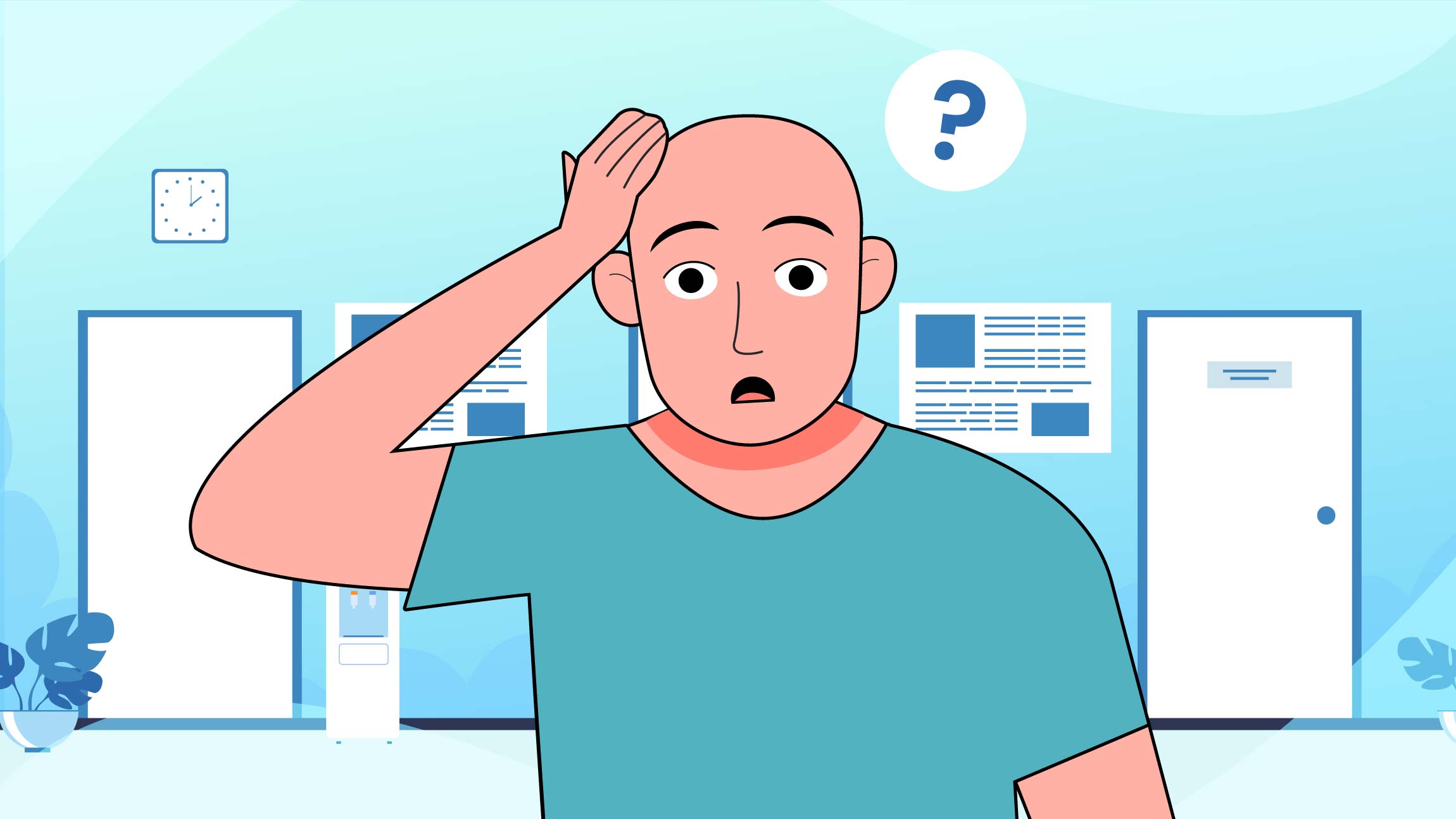
Medically reviewed by Prof. Dr. Soner Tatlıdede, Hair Transplant Surgeon — 22+ years, 18,947 procedures · September 2026
A hair transplant can fail, but far less often than people fear, and many results that look like failure at three or four months are simply unfinished. This guide explains what a genuinely failed transplant looks like, how to tell it apart from normal recovery, the clinic-side and patient-side reasons results go wrong, how to avoid them, and what can be done if a transplant has already failed.
Can a hair transplant really fail?
Yes. In practice, “failure” usually means one of three things:
- Poor growth or low density. Too few of the transplanted grafts survived, so the area stays thin a year or more after surgery.
- An unnatural result. The hair grew, but the hairline is too straight, too low or too dense at the edge, or the hairs point in the wrong direction.
- Donor damage. Too many grafts were taken from one zone, leaving the back or sides thin, or the extraction left visible scarring.
The first problem is about graft survival, the second about design and technique, and the third about planning. All three are largely preventable.
Failure or normal recovery? Check the timeline first
Most “my transplant failed” worries appear in the first months, when the result cannot yet be judged:
| Time after surgery | What is normal |
|---|---|
| Weeks 2–8 | Most transplanted hairs shed (shock loss). The follicles stay in the skin. |
| Months 3–4 | First new hairs appear, often patchy and fine. |
| Months 6–9 | Visible density, but hair is still thinner than it will be. |
| Months 12–18 | Final result. This is the earliest point at which failure can be judged. |
If you are at six months and growth is uneven, that alone is not a sign of failure. If you are at twelve to eighteen months and the area is still clearly thin, it is time for an assessment. For what a finished result should look like, see our before and after results.
Why hair transplants fail: causes on the clinic side
- Poor planning and candidate selection. Operating on someone whose hair loss is still rapidly progressing, or whose donor area cannot support the promised coverage, sets up disappointment from day one.
- Unrealistic graft promises. A fixed graft number sold in advance can push a team to over-harvest. Safe planning starts from what the donor area can give, not from a number in a package.
- Poor graft handling. Grafts are living tissue. Letting them dry out, keeping them out of the body too long or crushing them during extraction or implantation lowers survival.
- Too little surgeon involvement. In high-volume settings, key steps are sometimes left to unsupervised staff. Hairline design and the critical steps should be led by the surgeon.
- Over-harvesting the donor area. Taking too many grafts from one zone leaves visible thinning and uses up the supply needed for future sessions.
- Packing grafts too densely. Placing grafts too close together can compromise the blood supply they depend on in the first days, reducing survival instead of increasing density.
Why front hairline transplants fail
The frontal hairline is the most visible part of any transplant and the least forgiving. The typical problems are:
- A “ruler-drawn” hairline: a straight, even line with no natural irregularity or temple recession.
- Multi-hair grafts at the front edge, where only single-hair grafts look natural. The result looks pluggy or doll-like.
- Wrong angles: hairs that grow straight up or backwards instead of forwards, which shows as soon as the hair is wet or short.
- A hairline set too low for the patient’s age, which may look good at 28 and wrong at 50, when surrounding hair has continued to recede.
Why hair transplants fail: causes on the patient side
The first ten days, when grafts are anchoring, are when patient behaviour matters most:
- Rubbing, scratching or knocking the recipient area, or picking at scabs before they come away on their own.
- Smoking, which narrows blood vessels and slows healing. See our guidance for smokers.
- Not following washing instructions, either by avoiding washing and letting crusts build up, or by washing too roughly.
- Returning too early to the gym, swimming, saunas or strong sun.
- Leaving ongoing hair loss untreated. Native hair around the transplant can keep thinning, which makes a good transplant look like it has failed.
Our 14-day aftercare checklist covers the practical steps day by day.
Who is responsible when a transplant fails?
Usually it is a mix of factors, but the pattern often points to the main cause:
- Points to technique or planning: uniformly poor growth across the whole area; wrong angles or an unnatural hairline design; a visibly thinned or scarred donor area.
- Points to early aftercare: patchy gaps in areas that were rubbed, knocked or picked at, with good growth elsewhere.
- Points to biology or ongoing loss: transplanted hair has grown, but surrounding native hair has thinned, or healing was affected by a medical condition.
A proper assessment at twelve months or later, with photos from before surgery and throughout recovery, is the only reliable way to tell.
How to avoid hair transplant failure
Before surgery
- Choose a surgeon, not a package. Ask who designs your hairline and who performs each step. Our guide on choosing a hair transplant clinic in Turkey lists what to check.
- Prefer a hospital setting with proper sterility and emergency support. We operate in Acıbadem Taksim Hospital.
- Get an honest donor assessment. The plan should be based on how many grafts your donor area can safely provide (see how many grafts do I need).
- Disclose your full medical history and medications, and stop smoking beforehand.
After surgery
- Protect the grafts for the first ten days: no rubbing, tight hats or knocks.
- Follow the washing schedule exactly and let scabs fall away naturally.
- Avoid smoking, alcohol, heavy exercise, swimming and strong sun for the periods your surgeon advises.
- Be patient: judge the result at twelve to eighteen months, not at three.
- Ask about treatment to protect your native hair if your hair loss is still active.
Can a failed hair transplant be repaired?
Often, yes, depending on what went wrong and how much donor hair is left:
- Low density: a second session can add grafts once the first result has fully matured, provided the donor area can supply them.
- Unnatural hairline: badly placed or pluggy grafts can be removed or refined and the line redesigned with single-hair grafts.
- Donor scarring or thinning: careful extraction from unaffected zones, or scalp micropigmentation to camouflage scars.
- Ongoing loss around the transplant: medical treatment to stabilise native hair, sometimes combined with further grafts.
Repair is more complex than a first procedure because donor supply is limited and scar tissue changes how grafts behave. That is the strongest argument for getting the first operation right.
Frequently asked questions
How common is hair transplant failure?
When the patient is a suitable candidate, the procedure is surgeon-led and aftercare is followed, most grafts survive and outright failure is uncommon. Most dissatisfaction comes from poor planning, unnatural design or unrealistic expectations rather than grafts not growing at all.
How do I know if my hair transplant has failed?
Not before about twelve months. If, after twelve to eighteen months, the treated area is still clearly thin, uneven or unnatural, have it assessed.
Can a hair transplant fail years later?
Transplanted follicles from the donor area are generally resistant to pattern hair loss and tend to be long-lasting. What changes over the years is usually the native hair around them, which can make the overall result look thinner.
When can I have a repair procedure?
Usually not before twelve months after the first operation, once the result has matured and the scalp has fully healed.


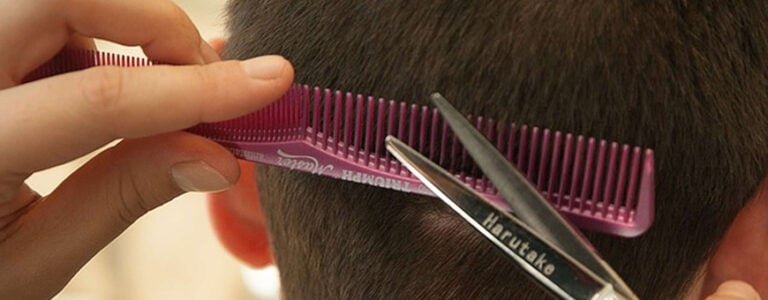
By Prof. Dr. Soner Tatlıdede · October 2026 When can you cut your hair after a hair transplant? Hair in the donor area can be trimmed after 1 month using scissors or clippers. As for the recipient area, trimming only the ends of the hair using scissors is permitted after 2 months. However, you must wait at […]
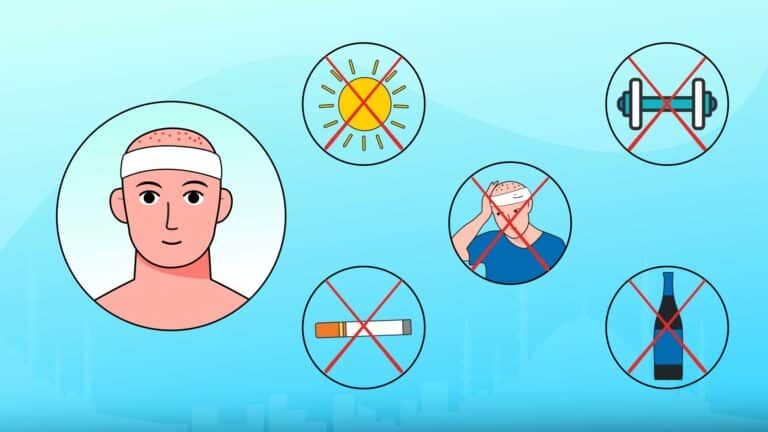
By Prof. Dr. Soner Tatlıdede · October 2026 Congratulations on completing your hair transplant. While the surgical part is finished, the success of your restoration now depends heavily on the recovery phase. In our clinical experience, the first two weeks post-surgery are just as critical as the procedure itself. Understanding what to avoid after a hair transplant […]
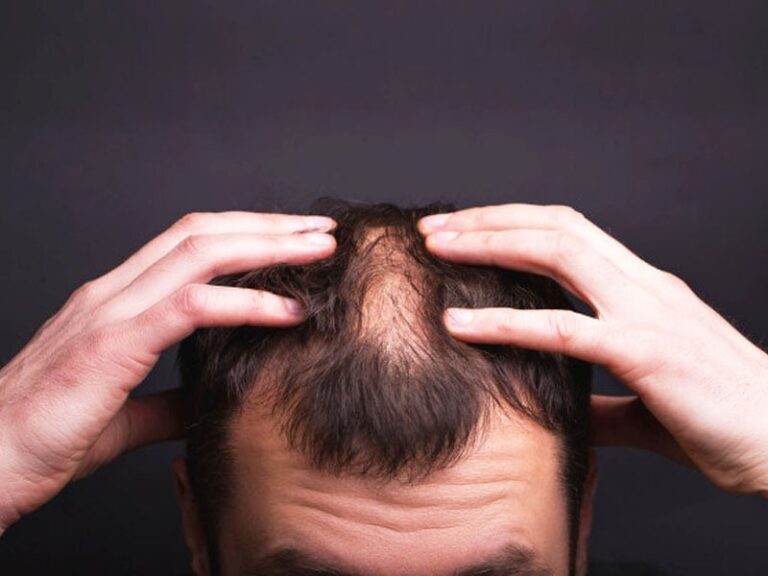
Scalp psoriasis and seborrheic dermatitis are chronic inflammatory conditions that frequently cause discomfort, itching, redness, and scaling. For individuals experiencing hair thinning alongside these conditions, severe anxiety often arises regarding permanent follicle loss and the feasibility of hair restoration. A central concern among patients is whether undergoing a hair transplant while managing scalp psoriasis is […]


Thank you!
Your details have been successfully submitted. Thanks!