


Why Does a Front Hairline Hair Transplant Fail?
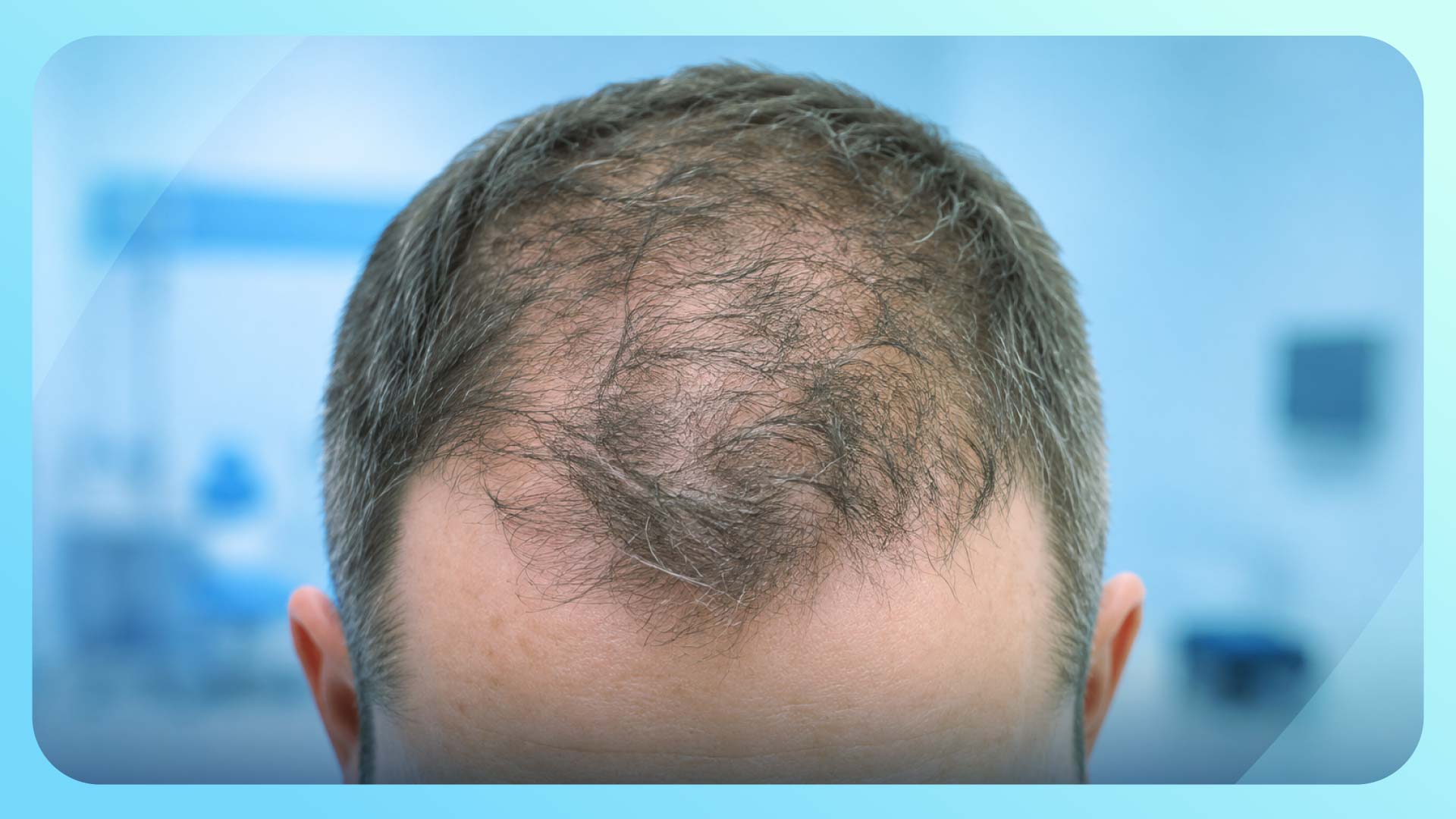
By Prof. Dr. Soner Tatlıdede • June 2026
Top 3 Tips to Ensure a Successful Front Hairline Hair Transplant
- Avoid straight lines: A natural hairline never grows as if drawn with a ruler; instead, it is characterized by micro-irregularities and a subtle randomness that gives it an authentic appearance.
- Select the correct graft type for the front line: The frontal boundary must begin with the single, thinnest, and finest hair follicles possible, with density increasing gradually as we move backward.
- Mimic the original direction of hair growth: Implanting follicles at the correct anatomical angles ensures fluid hair flow and natural direction, making it easy to style and blend seamlessly with the rest of the head.
The frontal area and the hairline serve as the frame of the face and its primary visual showcase; it is the first area your eyes land on when you look in the mirror every morning, and the first thing others notice when speaking with you.
Because of this immense visual significance, everyone has a strong desire for hair transplant results in this specific zone to be absolutely flawless. Nevertheless, a very common question echoes among those planning to take this step: Why does a hair transplant fail in the front hairline?
What makes this specific zone require precision and care that differ so vastly from the rest of the scalp? In this simplified guide from Clinicana, we will explain to you in clear, jargon-free language everything you need to know about the secret behind the success or failure of a frontal hair transplant.
The Frontal Hairline is a Zone with a Special Nature
Every region of the scalp has a different biological and aesthetic nature. While the crown or posterior regions consist of wide spaces where the primary objective is pure density and coverage, the front hairline involves delicate aesthetic and anatomical calculations.
It is the critical transition zone that merges the end of the forehead with the beginning of the hair; therefore, any flaw in hair distribution or growth direction will be glaringly obvious to the naked eye, and no alternative hairstyles will be able to conceal it easily.
The “Ruler Drawing” Trap and the Artificial Appearance
If you look closely at the hair of any individual who has never suffered from genetic hair loss, you will quickly notice that their front hairline is not a harsh, sharp straight line.
Human nature creates a soft transition and tiny, irregular micro-zigs. One of the most notorious cosmetic blunders committed by low-quality commercial clinics is drawing the hairline using a ruler, treating it as a rigid geometric line.
The result after the hair grows is a completely artificial appearance that resembles a synthetic hairpiece, which many patients classify as the “cosmetic failure of the procedure.”
The hair has indeed grown, but the overall presentation looks entirely fake, causing the patient to lose all confidence in the result.
The Quality of Grafts Implanted in the First Row
The great clinical secret that every patient must know is that the follicular units extracted from the back of the head are not identical. There are grafts from which a single, thin, and pure hair emerges, and there are multi-hair grafts from which two, three, or four hairs emerge, which are significantly coarser and thicker.
Cosmetic failure in a front hairline transplant occurs when these follicular units are not meticulously sorted under a microscope; instead, dense and coarse multi-hair grafts are implanted directly into the very first rows bordering the forehead.
The result is the emergence of what is known as the “doll hair” appearance, where hair grows in thick, spaced-out plugs that look completely bizarre and out of harmony with natural facial features.
The correct medical rule dictates starting with the single, finest hairs in the absolute front and reserving dense multi-hair grafts for the deeper, posterior regions.
Graft Implantation Angles and Styling Directions
Hair in the front region does not grow standing completely upright and perpendicular to the skin like stiff vertical lines; rather, it possesses a natural forward and downward flow direction that smoothly follows the contour of the forehead and skull.
When recipient sites are opened at sharp, perpendicular, or random angles without respecting this natural flow, the hair will sprout in a rigid, stiff manner resembling “hedgehog hair.”
This technical flaw makes it completely impossible for the patient to brush or style their hair backward, turning the transplanted hair into a daily source of frustration instead of being a solution to the problem.
Cosmetic success means that the hair grows at acute, low angles that perfectly mimic the original direction your hair had before it fell out.
The Mistake of Cramming an Excessive Number of Grafts
Many patients believe in the early stages of their research that packing the highest possible number of grafts into the smallest possible area is the only way to guarantee satisfying density. However, from a realistic medical standpoint, the scalp requires structural space to breathe, heal, and properly distribute blood supply.
When a clinic attempts to cram massive, exaggerated numbers of grafts tightly together in the front area simply to impress the patient on paper, the result becomes completely counterproductive.
The newly implanted roots fail to find sufficient blood circulation and nourishment to survive beneath the skin, which ultimately leads to their death and a total failure to grow. Scientific moderation and intelligent, strategically spaced distribution are what guarantee that every single hair thrives in its correct place.
Designing a Hairline that Defies Age and Facial Proportions
Designing the presentation of the front hairline must strictly submit to the golden laws of facial symmetry. Some young patients insist on lowering the hairline to an exaggeratedly low level, very close to the eyebrows, driven by a desire to reclaim a teenage look. Fulfilling this desire without providing honest medical advice is a major mistake.
As a man ages, his facial structure and features change naturally. Having a juvenile, very low hairline on a person in their forties or fifties yields an entirely mismatched and awkward appearance.
A successful hairline is one designed with long-term dignity and natural beauty in mind, suiting the patient beautifully today and throughout all future stages of their life.
The Patient’s Role in Protecting the Front Hairline During Recovery
After the surgery concludes with technical success, the responsibility shifts to the patient to protect this highly sensitive region during the critical first weeks, as the front hairline is more vulnerable to friction and movement than any other area.
- Facial expression movements: Intense laughter, severe frowning, or excessively raising the forehead muscles during the first three days can compromise the stability of the fragile frontal grafts.
- Neglecting gentle washing: Excessive fear of washing the frontal hairline leads to the accumulation of thick sebaceous crusts and scabs. These can physically obstruct new hairs from breaking through the skin surface, significantly weakening the final expected density.
How Clinicana Guarantees a Natural Look for Your Front Hairline
At Clinicana, we do not view a frontal hairline transplant as a routine medical protocol; rather, we treat it as a customized work of art tailored to each individual patient:
- Harmonious individual design: We draw the hairline based on comprehensive facial measurements, age, and future aging patterns to ensure a result that looks entirely natural and lasts a lifetime.
- Microscopic graft selection: We utilize precise microscopic sorting techniques to isolate single-hair, ultra-fine follicular units so they serve as the front line of defense, preventing any pluggy or artificial appearance.
- Intelligent angle control: We rely on elite surgical skill to precisely adjust the angles, directions, and lateral slants of the recipient channels, ensuring a completely fluid flow that makes brushing and styling effortless and natural.
Conclusion: Awareness and Selection Are the Keys to Success
In conclusion, you must understand that a cosmetic hair transplant failure in the front hairline does not mean your scalp is untreatable; rather, it is definitive proof of the absence of an artistic touch and clinical expertise at the clinic that performed the operation.
The frontal hairline leaves absolutely zero margin for guesswork or randomness. Being fully aware of the simple medical standards we have detailed in this article is your first and most essential step to protect yourself and guarantee an attractive, natural look filled with absolute confidence.
Frequently Asked Questions About Front Hairline Transplants
How do I know if the proposed hairline design matches my facial features?
A professional surgeon measures the distance from the eyebrows to the proposed hairline and compares it with the distance from the nose to the eyebrows, and from the nose to the chin. The equality of these three facial segments (the rule of facial thirds) is what guarantees that the design blends perfectly with your face as if it were your original hair.
When does hair growth become clearly visible in the front hairline?
The frontal region enjoys excellent blood supply; therefore, hair begins to emerge there as fine, soft hairs (vellus hair) starting from the fourth month. These hairs continuously increase in thickness, diameter, and strength, reaching their final structural density by the twelfth month post-operation.
Can the shape of the front hairline be modified if I do not like it in the future?
Yes, cosmetic and corrective solutions are always possible. If the hairline is too high, it can be thickened and brought forward. If it contains coarse grafts (the doll hair look), fine single hairs can be meticulously implanted in front of it to soften and camouflage the transition, exactly as we perform in corrective revision cases at Clinicana.
Read More:
- Receding Hairline Solutions: Expert Hair Transplant Guide in Turkey
- Early Signs of a Receding Hairline: Causes, Myths, and How to Check It
Edited by the Clinicana team
Medically reviewed by Prof. Dr. Soner Tatlıdede, Plastic and Hair Transplant Surgeon — 22+ years of experience, ~10,950 procedures. Last reviewed on July 01, 2026
Medical Sources and References
- Shapiro R, Shapiro P. Hairline Design and Frontal Hairline Restoration. Facial Plastic Surgery Clinics of North America. 2013.
- Sirinturk S, Bagheri H, Govsa F, Pinar Y, Ozer MA. Study of Frontal Hairline Patterns for Natural Design and Restoration. Surgical and Radiologic Anatomy. 2017.
- Goldin J, Zito PM, Raggio BS. Hair Transplantation. StatPearls / NCBI Bookshelf. Updated 2025.
- Mysore V, et al. Hair Transplant Practice Guidelines. Journal of Cutaneous and Aesthetic Surgery. 2021.
- Patwardhan N, Mysore V. Hair Transplantation: Standard Guidelines of Care. Indian Journal of Dermatology, Venereology and Leprology. 2008.
- Parsley WM, Perez-Meza D. Review of Factors Affecting the Growth and Survival of Follicular Grafts. Journal of Cutaneous and Aesthetic Surgery. 2010.
- Bernstein RM, Rassman WR. Graft Anchoring in Hair Transplantation. Dermatologic Surgery. 2006.
- Kerure AS, Patwardhan N. Complications in Hair Transplantation. Journal of Cutaneous and Aesthetic Surgery. 2018.
- Garg AK, Garg S. Complications of Hair Transplant Procedures—Causes and Management. Indian Journal of Plastic Surgery. 2021.
- Venkataram A. Logic of Hair Transplantation. Journal of Cutaneous and Aesthetic Surgery. 2018.
- Gupta J, Chouhan K, Ariganesh C. An Innovative Training Model for Practicing Hairline Designing. Journal of Cutaneous and Aesthetic Surgery. 2018.
- Sharma R, Ranjan A. Follicular Unit Extraction Hair Transplant: Curves Ahead. Journal of Maxillofacial and Oral Surgery. 2019.
Disclaimer: All information contained in this article is for general educational and awareness purposes to simplify medical concepts for those undergoing hair transplantation. It does not replace a personal clinical consultation with specialized physicians to determine what suits your individual facial features.


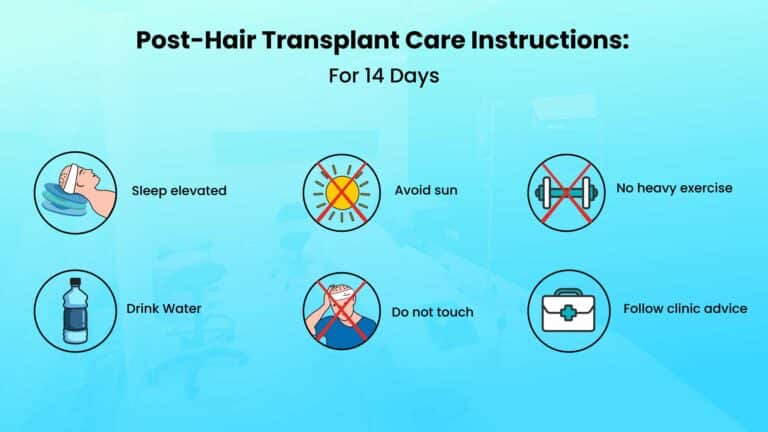
By Prof. Dr. Soner Tatlıdede · August 2026 Post-Op Field Checklist Time Phase Primary Clinical Objective Washing & Care Protocol Recommended Sleep Position Activities & Essentials Days 1 – 3 Protection & graft stabilization No washing allowed (spray moisturizing saline spray only) Sleep on back at a 45° incline with neck pillow Complete rest, avoid bending forward, […]

By Prof. Dr. Soner Tatlıdede · June 2026 TL;DR: Why does my head sweat so much? Excessive head sweating (craniofacial hyperhidrosis) affects 3% of the population and occurs when sweat glands are overactive, triggered by stress, heat, certain foods, or medical conditions. Treatment options include proper scalp care, dietary changes, Botox injections, and prescription medications. […]

By Prof. Dr. Soner Tatlıdede • July 2026 Determining the best age for a hair transplant is one of the most frequent questions raised by individuals experiencing progressive hair thinning or androgenetic alopecia. In the medical world, answering this question goes far beyond a patient’s emotional desire to restore density and youthfulness; it relies on a deep […]


Thank you!
Your details have been successfully submitted. Thanks!