


Does rosemary oil for hair growth work?

Using rosemary oil for hair is a natural way to strengthen hair health, stimulate hair growth, and prevent all kinds of problems on scalp. Rosemary oil benefits for hair and skin have been known for centuries, but nowadays many people do not know how to use rosemary oil for hair health.
Although people from all over the world contact our clinic asking about the cost of a hair transplant, for us the most important thing is our patients’ health; for this very reason, before resorting to hair implants we always insist that the key point is to prevent hair loss: and a healthy and natural way to do that, is by using rosemary. So, in this article we’ll answer questions such as: why is rosemary oil good for hair? Does rosemary oil for hair growth work? What is its recipe? How should you use it…? Do not miss what comes next!
Benefits of rosemary for hair growth
How does rosemary help hair? You know that it is an aromatic plant used in cooking, but many people know nothing about rosemary uses for hair. The truth is that this plant acts as a natural hair stimulant, strengthening and giving vigour to hair follicles: this is because it helps to stimulate blood flow to scalp, thus facilitating the arrival of nutrients to hair. It also prevents the appearance of fungi or ringworm on scalp, and provides vitamins and minerals that strengthen and give life to hair. In sum, these are rosemary plant benefits for hair:
Prevents hair loss:
This is one of the main rosemary benefits for hair. Rosemary stimulates blood supply to scalp, allowing more nutrients to reach follicles, so that hair grows stronger. There are scientific studies that confirm these properties and the fact that rosemary stimulates hair growth, delaying hair loss.
Avoids excess of sebum:
Rosemary has astringent properties, which is why it helps to reduce production of sebum and prevents oily scalp, thus preventing follicles from becoming clogged and, in this way, avoiding hair from weakening.
It’s a natural antibiotic:
Another benefit of rosemary for hair is that, in addition to its antifungal properties, rosemary contains carnosic acid, which makes this plant a natural antibiotic with an important antimicrobial capacity, as confirmed by studies.
Prevents the appearance of grey hair:
Thanks to its properties as a natural bio stimulant, rosemary also favours the production of melanin, delaying the appearance of grey hair.
It’s a natural hair conditioner:
In addition to its invigorating properties, rosemary provides vitamins, trace elements and other nutrients necessary for a healthy hair, which is why it acts as a natural conditioner.
Prevents hair aging:
Thanks to its high content of vitamins B, C and E, rosemary has a powerful antioxidant capacity against the action of free radicals, thus fighting cell aging.
As you can see, there are many benefits that rosemary can bring to the health and quality of our hair. Let’s see now how to prepare some rosemary recipes to combat hair loss.
How to make rosemary oil for hair
The benefits of rosemary oil for hair loss are well known, to the point that due to its properties, it is recommended to use it together with minoxidil in order to improve the efficiency of this drug. However, a distinction must be made between rosemary essential oil for hair, a highly concentrated product that – although very effective – should not be applied directly to skin; and rosemary oil, made through a maceration process in oil of this plant.
To prepare the rosemary hair oil recipe and take advantage of all the properties of this plant, you must place the branches of a rosemary plant inside a recipient, a put it in the freezer; the next day, you must pour 250 ml. of olive oil into it, and close it hermetically for a month. Once that time has passed, you can use that oil by pouring a few drops into your shampoo, thus taking advantage of the anti-hair loss properties of rosemary oil.
Using rosemary water for hair
Rosemary water (sometimes also called rosemary hair infusion) contains rosmarinic acid, a compound with many properties: it is anti-inflammatory, antioxidant, antibacterial and anti-cancer. Other benefits of using rosemary water for hair loss is that it provides vitamins and prevents an excessive formation of sebum, as well as the formation of dandruff.
If you wish to prepare rosemary water at home, just boil 800 ml. of water in a recipient, and then add 3 tablespoonsful of dried rosemary leaves; cover this mixture, and let it rest for 10 minutes. After filtering the water, you can use it to massage scalp with your fingers and stimulate blood circulation: do this daily for a month, and you will see the results.
Alcohol & rosemary hair tonic recipe
The last recipe that you should know, is how to make rosemary extract with alcohol for your hair. Rosemary alcohol is very good for hair thanks to its excellent medicinal properties, being not only good to prevent hair loss, but also to fight cellulite or to alleviate joint pain, for example.
To make a home remedy for hair loss with rosemary and alcohol, fill a bottle with leaves of this plant, and then fill it again with 96º alcohol; then cover this bottle and let it rest away from light for two weeks, shaking it daily so that leaves and alcohol mix well. After that time, filter the alcohol and use it by adding a few drops to your usual shampoo when washing your head: this helps to stimulate follicles activity, and makes hair grow strong and healthy.
Does really rosemary oil for hair loss work?
Although many people resort to rosemary home remedies for hair, we must not forget that any of these treatments only serves to strengthen hair as a natural prevention, or to stimulate hair growth when it falls in an excessive way; but in no way this kind of remedies can be used to cure serious hair loss problems, or to stop alopecia: and no, sorry… Rosemary will not make your hair grow back in bald areas.
Therefore, although the use of rosemary oil for hair is an excellent way to take care of your follicles and prevent scalp diseases, in the face of any hair pathology, or if you want to recover your lost hair, you should definitely go to a specialist, who may advise you a hair transplant as the best solution. Clinicana is the best hair transplant clinic in Turkey, and we are specialised in all hair treatments: request a free consultation, and ask for a free, no obligation estimate for your treatment.


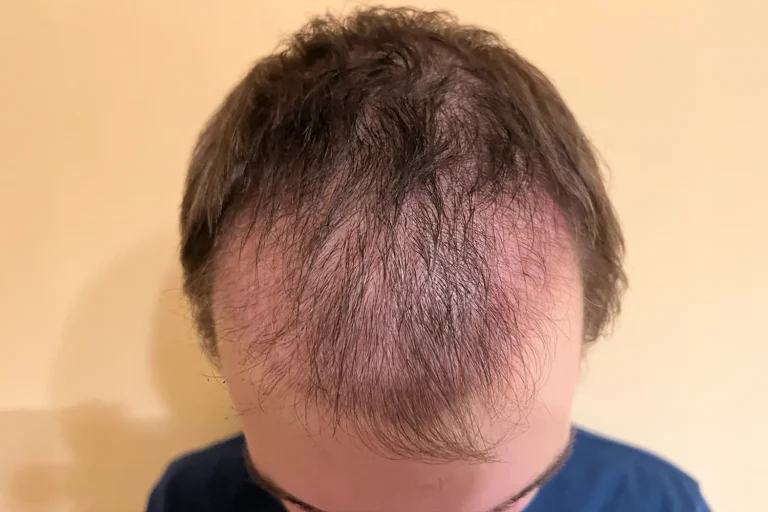
Diagnostic Parameter Tinea Capitis Alopecia Areata Seborrheic Dermatitis Primary Etiology Dermatophyte fungal infection (Microsporum / Trichophyton) Autoimmune response targeting hair follicles Overgrowth of Malassezia yeast and inflammatory reaction Scalp Scaling Present (fine grayish scales or thick crusting) Absent (scalp is smooth and clinically normal) Present (greasy, yellowish, or diffuse white flakes) Hair Shaft Appearance Broken […]

Medical Review by: Prof. Dr. Soner Tatlıdede – September 2026 Quick Summary (TL;DR) Iron deficiency—specifically depleted serum ferritin stores—is one of the most prevalent nutritional triggers of diffuse hair shedding, particularly among women and vegetarians. Iron is not merely a component of blood cells; it serves as a critical biological catalyst for cellular division and oxygen transport inside […]
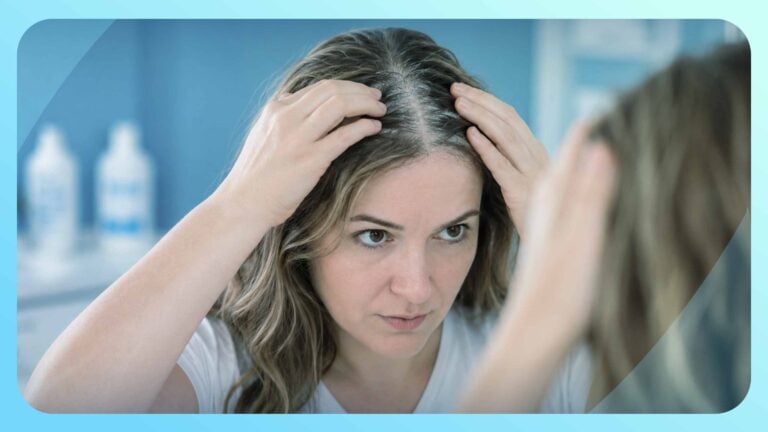
Medical Review by: Prof. Dr. Soner Tatlıdede – September 2026 Direct Definition: What Is Female Pattern Baldness? Female pattern baldness (androgenetic alopecia in women) is a genetically influenced condition characterized by progressive hair thinning across the vertex and widening of the central part line, while usually preserving the frontal hairline. Unlike male pattern hair loss, which frequently causes […]


Thank you!
Your details have been successfully submitted. Thanks!