


Can Dandruff Cause Hair Loss? Truth, Seborrheic Dermatitis, and Solutions
Medical Review by: Prof. Dr. Soner Tatlıdede – September 2026
Quick Summary (TL;DR)
Common dandruff alone does not directly cause permanent male or female pattern baldness. Simple dandruff consists of dead skin flakes shed from an overproduction of scalp oil and Malassezia yeast growth.
However, severe dandruff associated with seborrheic dermatitis causes acute scalp inflammation, follicle irritation, and relentless itching.
Vigorously scratching the scalp creates physical friction and mechanical trauma, which weakens the hair root connection and triggers temporary shedding (telogen effluvium).
While inflammation-driven shedding resolves once the scalp heals, permanent follicle shrinking (miniaturization) caused by Dihydrotestosterone (DHT) requires specialized medical treatments or surgical hair restoration via Sapphire FUE or DHI.
Understanding Dandruff: What Is Happening on Your Scalp?
When you notice white flakes on your shoulders alongside increased shedding in your brush, it is natural to wonder: Is dandruff destroying my hair roots?
To understand the connection between scalp flakes and hair density, we must first separate basic physiological flaking from chronic inflammatory scalp conditions.
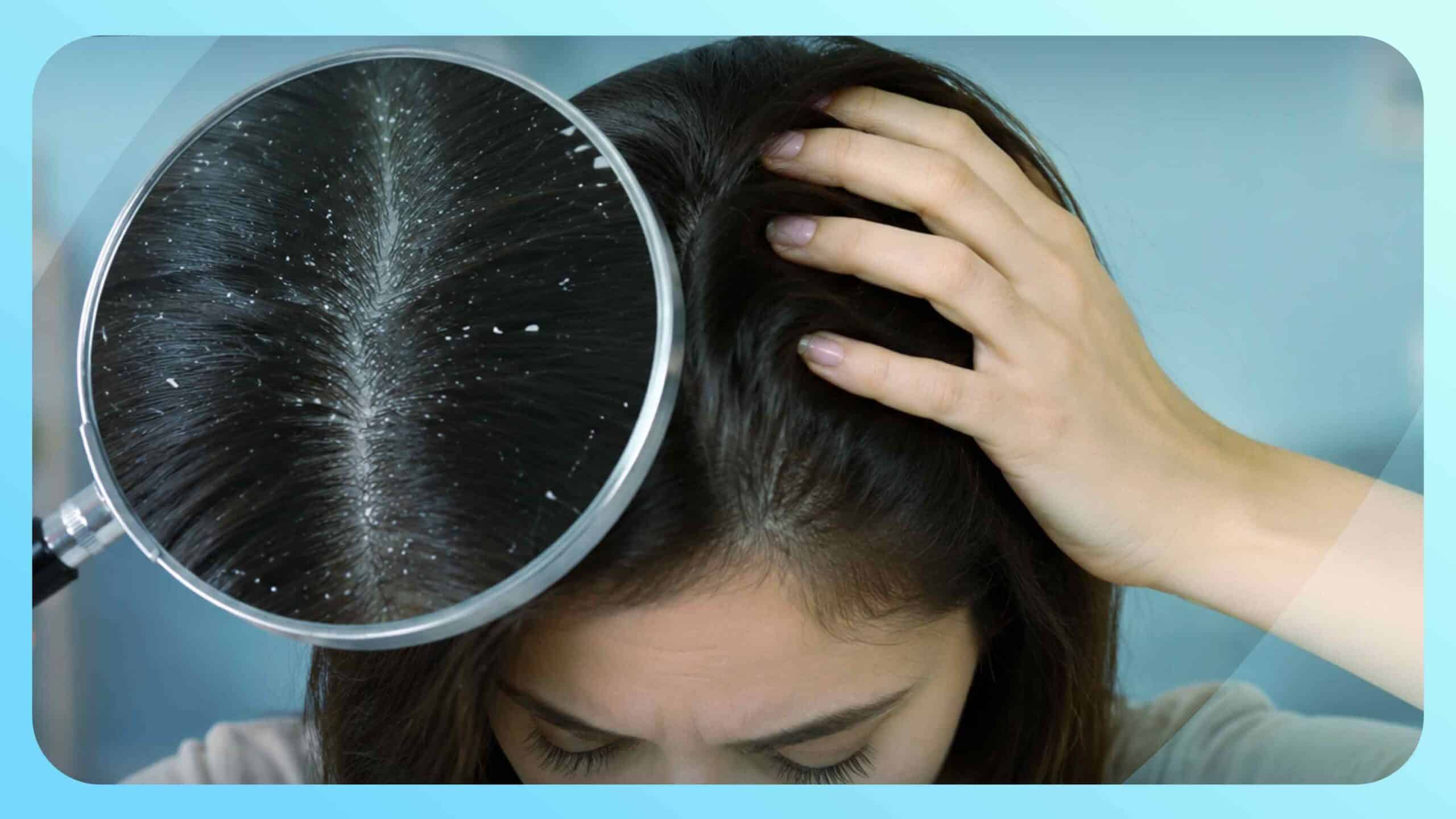
Dandruff (clinically termed Pityriasis capitis) occurs when the normal skin shedding process of the scalp accelerates rapidly. A harmless yeast-like fungus called Malassezia, which naturally resides on human scalps, feeds on natural skin oils (sebum).
When Malassezia overgrows or when your scalp produces excess oil, it breaks down sebum into oleic acid. In sensitive individuals, oleic acid irritates the scalp epithelium, causing skin cells to clump together and shed prematurely as visible flakes.
Dandruff vs. Seborrheic Dermatitis
While basic dandruff causes mild flaking without severe redness, seborrheic dermatitis is an aggressive inflammatory form of the condition.
| Clinical Parameter | Basic Scalp Dandruff | Seborrheic Dermatitis |
|---|---|---|
| Primary Visual Flakes | Dry, small, loose white flakes | Oily, thick, yellowish, adherent crusts |
| Scalp Inflammation Level | Minimal to absent redness | Severe erythema (redness) & active inflammation |
| Itching & Discomfort | Mild, intermittent scalp itch | Intense, burning, chronic itching sensation |
| Impact on Hair Follicles | No direct damage to hair roots | Micro-inflammation weakens root attachment |
How Seborrheic Dermatitis Leads to Temporary Hair Loss
Although dandruff itself does not destroy hair genetics, severe scalp inflammation creates an environment where hair shafts fall out prematurely. The indirect link between dandruff and hair shedding operates through three biological pathways:
1. Scratching Friction and Mechanical Trauma
The intense itching caused by severe dandruff or seborrheic dermatitis leads to constant, aggressive scratching. Physically digging nails into an inflamed scalp causes mechanical stress across the epidermal layer.
This friction can damage delicate hair cuticles and pull prematurely detached hair shafts out from their dermal papilla roots.
2. Follicular Micro-Inflammation
When Malassezia yeast activity spikes, inflammatory cytokines flood the surrounding cutaneous tissue. This localized micro-inflammation extends into the upper collar of the hair follicle (the infundibulum).
Persistent inflammation weakens the structural anchorage of the hair shaft, causing follicles to prematurely exit the active growth phase (anagen) and transition into the resting shedding phase (telogen).
3. Sebum Accumulation and Clogged Pores
Excess sebum production creates a thick layer over scalp pores. When combined with dead skin scales, this build-up smothers the follicular orifice, harboring oxidative stress around the root bulb.
THE INDIRECT DANDRUFF-SHEDDING CYCLE
Dandruff Hair Loss vs. Genetic Baldness: Key Differences
It is vital to distinguish temporary shedding caused by seborrheic inflammation from Androgenetic Alopecia (pattern baldness).
- Temporary Dandruff Shedding: Hair sheds uniformly across the scalp due to irritation. Once inflammation is controlled and scratching stops, hair follicles re-enter the anagen growth phase and produce normal, thick hair shafts.
- Genetic Pattern Baldness: Driven by genetic sensitivity to Dihydrotestosterone (DHT), a byproduct of testosterone. DHT binds to hair follicles on the frontal line, temples, and crown, causing progressive follicular miniaturization. Over time, follicles produce finer, shorter, unpigmented hair shafts until the root atrophies completely.
| Diagnostic Feature | Dandruff-Induced Shedding | Androgenetic Alopecia (Genetic) |
|---|---|---|
| Primary Cause | Scalp inflammation, scratching & yeast overgrowth | Genetic Sensitivity to Dihydrotestosterone (DHT) |
| Shedding Pattern | Diffuse hair loss across the entire scalp | Receding frontal hairline, temple loss, or vertex crown spot |
| Hair Shaft Diameter | Normal hair caliber sheds from root bulb | Progressive thinning, shorter growth, miniaturized fine hairs |
| Reversibility | Fully reversible once scalp health is restored | Permanent without targeted therapies or hair transplant |
Medical Treatments: How to Manage Flaking & Protect Hair
Managing dandruff-related hair shedding requires a two-step approach: eliminating the fungal irritation and nurturing healthy scalp microcirculation.
1. Medicated Anti-Dandruff Shampoos
Incorporate clinical-grade active ingredients into your routine 2 to 3 times weekly:
- Ketoconazole (1%–2%): A potent anti-fungal agent that reduces Malassezia populations while offering mild anti-androgenic effects on the scalp.
- Zinc Pyrithione & Selenium Sulfide: Antimicrobial ingredients that slow skin cell turnover and prevent fungal accumulation.
- Salicylic Acid: Exfoliates dense, adherent flakes and clears sebum build-up around follicle openings.
2. Soothing Scalp Hygiene Protocols
- Avoid High Heat: Wash hair with lukewarm water. Hot water strips protective lipids, triggering rebound oil production and aggravating inflammation.
- Refrain from Digging Nails: Massage shampoo using the soft pads of your fingertips rather than fingernails to prevent micro-abrasions.
- Maintain Scalp Hydration: Use lightweight, non-comedogenic lotions if your scalp is prone to dry flaking.
3. Non-Surgical Regenerative Therapies
If persistent inflammation has weakened your hair density, biological therapies offered at Clinicana Hair Transplant Center can accelerate scalp recovery:
- Platelet-Rich Plasma (PRP) Therapy: Concentrated autologous growth factors are injected into the scalp to reduce micro-inflammation, stimulate cellular repair, and nourish dormant roots.
- Scalp Mesotherapy: Customized micro-injections of essential vitamins, amino acids, and anti-inflammatory compounds nourish weakened hair follicles.
When Is a Hair Transplant Necessary?
If your scalp flaking is controlled but you notice progressive hairline recession or a visible crown spot, your hair loss is driven by genetic miniaturization rather than simple dandruff. Once hair follicles have completely deadened and turned into smooth, fibrotic tissue, topical treatments and anti-dandruff shampoos can no longer regrow hair.
In such cases, modern surgical restoration at Clinicana in Istanbul provides a permanent solution:
- Sapphire FUE (Follicular Unit Extraction): Ideal for covering larger bald areas. Using gem-grade sapphire blades, surgeons open microscopic recipient channels with extreme precision, allowing maximum graft density and rapid healing.
- DHI (Direct Hair Implantation): Perfect for densifying sparse areas between existing native hair. Using Choi Implanter Pens, healthy donor grafts extracted from the back of the head are implanted directly into receiving zones without requiring pre-opened channels, fully preserving existing natural hairs.
CLINICAL DIAGNOSTIC DECISION PATHWAY
Frequently Asked Questions (FAQ)
Can anti-dandruff shampoo cause hair loss?
No. Medicated shampoos containing ketoconazole or zinc pyrithione do not cause root damage. Finding detached hairs in the drain while washing is normal; the shampoo simply washes away hairs that had already detached from their follicles days prior due to inflammation or resting phases.
Will my hair grow back after seborrheic dermatitis shedding is treated?
Yes. Hair loss caused by scalp inflammation, itching, and temporary telogen effluvium is non-scarring. Once scalp inflammation settles and scratching stops, your hair follicles naturally return to their healthy growth cycle.
Can I get a hair transplant if I currently have active dandruff or seborrheic dermatitis?
Active scalp inflammation must be cleared prior to hair transplant surgery. Surgeons require a calm, healthy scalp free of acute fungal infection to ensure optimal micro-incision healing and maximum graft survival. Clinicana’s medical team evaluates your scalp health beforehand to provide pre-operative preparation protocols.
Conclusion & Next Steps
While common dandruff does not cause permanent baldness, the inflammation and intense scratching linked to seborrheic dermatitis can weaken your hair roots and cause temporary shedding. Addressing scalp health early ensures your follicles remain strong and productive.
Get a Free Medical Evaluation from Clinicana
Are you unsure whether your hair thinning is caused by temporary scalp inflammation or underlying genetic baldness? You don’t have to guess.
At Clinicana Hair Transplant Center in Istanbul, our expert medical team provides free, confidential online consultations. Send us clear photos of your scalp and hairline via WhatsApp to receive a personalized diagnostic assessment from our specialists within minutes.
Academic & Clinical References
- Journal of Cutaneous and Aesthetic Surgery: Scalp Micro-Inflammation and Its Role in Telogen Effluvium and Pattern Hair Loss.
- National Center for Biotechnology Information (NCBI): Seborrheic Dermatitis and Hair Shedding: Pathophysiology and Clinical Management.
- International Society of Hair Restoration Surgery (ISHRS): Differential Diagnosis of Scalp Inflammatory Conditions vs. Androgenetic Alopecia.


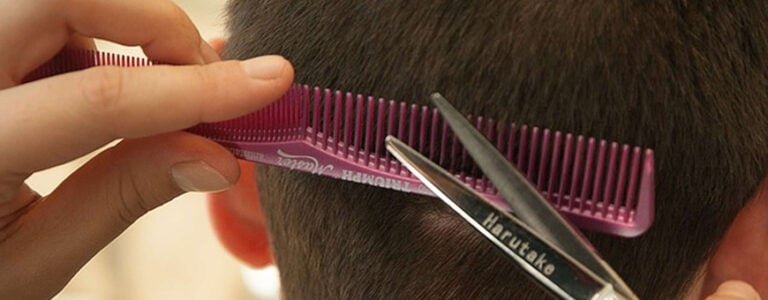
By Prof. Dr. Soner Tatlıdede · October 2026 When can you cut your hair after a hair transplant? Hair in the donor area can be trimmed after 1 month using scissors or clippers. As for the recipient area, trimming only the ends of the hair using scissors is permitted after 2 months. However, you must wait at […]
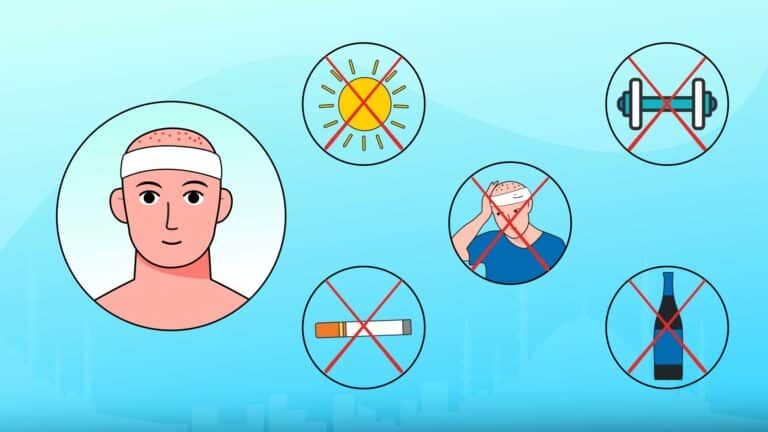
By Prof. Dr. Soner Tatlıdede · October 2026 Congratulations on completing your hair transplant. While the surgical part is finished, the success of your restoration now depends heavily on the recovery phase. In our clinical experience, the first two weeks post-surgery are just as critical as the procedure itself. Understanding what to avoid after a hair transplant […]
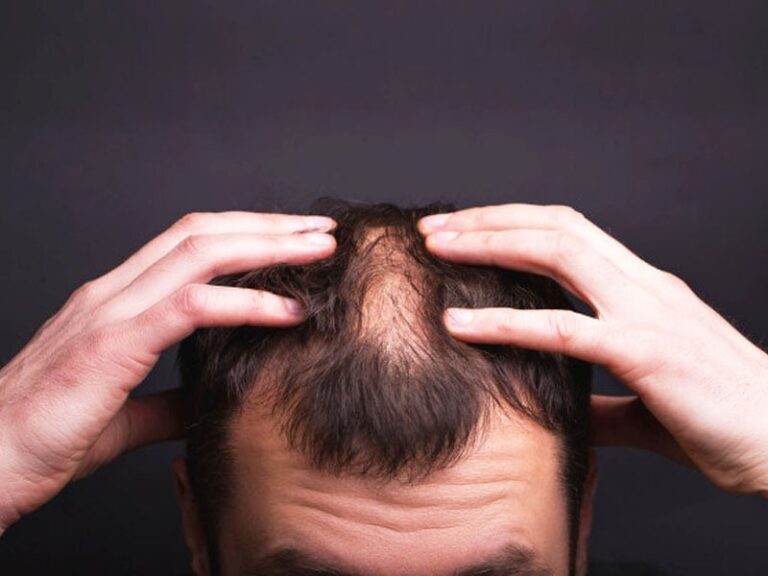
Scalp psoriasis and seborrheic dermatitis are chronic inflammatory conditions that frequently cause discomfort, itching, redness, and scaling. For individuals experiencing hair thinning alongside these conditions, severe anxiety often arises regarding permanent follicle loss and the feasibility of hair restoration. A central concern among patients is whether undergoing a hair transplant while managing scalp psoriasis is […]


Thank you!
Your details have been successfully submitted. Thanks!