


Weight Loss Paradox: Why Your Journey to Fitness Might Be Costing You Your Hair

The dream is simple: a healthier body, more confidence, and a refreshed look for a wedding, a holiday, or a personal milestone.
But for many, this journey is interrupted by a distressing sight—clumps of hair in the shower drain or a thinning hairline in the mirror.
Is the “new you” coming at the expense of your crowning glory? At Clinicana, we see thousands of patients who have achieved their weight goals only to face a new psychological hurdle: hair loss.
In this comprehensive look, we bridge the gap between metabolic health and follicular strength.
The Biological “Triage”: Why Your Hair is the First to Go
To understand why weight loss affects hair, we must understand how the human body prioritizes resources. Your body is a master of survival.
When you undergo rapid weight loss—especially through “miracle diets”—your metabolism enters a state of Nutritional Triage.
Your brain, heart, and lungs are essential for life; your hair is not. When calorie intake drops or weight vanishes too quickly, your body redirects vitamins, minerals, and proteins away from your scalp to keep your vital organs functioning.
Essentially, your hair is “sacrificed” so your body can survive the perceived famine you’ve put it through.
The Psychological Impact of Sudden Thinning
It’s not just about the physical loss. We understand the Identity Threat that comes with hair loss.
You worked hard to change your body, but the reflection in the mirror doesn’t feel like “you” anymore because of the thinning.
This stress creates a feedback loop that can actually worsen the condition.
The Primary Culprit: Telogen Effluvium
Most people experiencing hair loss during a diet are suffering from a condition called Telogen Effluvium (TE).
Usually, about 90% of your hair is in the “Anagen” (growth) phase. However, the metabolic shock of losing 5kg or 10kg in a month can shock the system, forcing a large percentage of hairs into the “Telogen” (resting) phase simultaneously.
- The Lag Effect: This is the most frustrating part. You might finish your diet in June, but the hair loss only peaks in September. This delay often makes it hard for people to connect the two events.
- Is it Permanent? The good news is that TE is typically reversible. Once the body feels “safe” and nourished again, the follicles resume their cycle. However, without professional intervention, the recovery can be slow and uneven.
Miracle Diets vs. Biological Reality
The market is flooded with “Quick Fixes”—Keto, intermittent fasting, juice cleanses—that promise rapid results. While they might work for the scale, they are often disastrous for the scalp.
Iron and Ferritin Deficiency
Iron is the fuel for hair cell growth. Many aggressive diets cut out red meats or don’t balance plant-based iron correctly. When your ferritin (stored iron) levels drop, your hair follicles simply stop producing new strands.
The Protein Gap
Hair is made of a protein called Keratin. If your diet doesn’t provide enough high-quality amino acids, your body cannot manufacture the building blocks of hair.
Even if you are losing weight “healthily,” a protein deficit will lead to brittle, thin hair that breaks before it even reaches its full length.
The “Gym Rat” Trap: Weight Lifting and Hair Health
There is a common myth that working out causes baldness. Let’s clarify: Exercise is vital, but how you do it matters.
When you focus heavily on weight lifting to build massive muscle, your body’s protein demand skyrockets.
If your intake doesn’t match this demand, your muscles will “steal” the protein that was meant for your hair.
Furthermore, extreme physical stress can increase cortisol levels, which is a known inhibitor of healthy hair cycles.
The Sweat Factor: We often hear that sweating “suffocates” the hair. This isn’t exactly true. However, sweat combined with natural scalp oils (sebum) can create a film that attracts bacteria.
If you don’t wash your scalp immediately after an intense workout, this buildup can cause micro-inflammation around the follicle, weakening the hair’s grip.
Can Weight Gain Cause Hair Loss Too?
Ironically, the opposite end of the spectrum is also risky. Rapid weight gain is often linked to Insulin Resistance and metabolic syndrome.
These conditions increase inflammation in the body and can exacerbate Androgenetic Alopecia (male or female pattern baldness).
The hormonal shifts associated with weight gain can increase DHT levels, the hormone responsible for shrinking hair follicles.
Reversing the Damage: How to Stop the Fall
If you are currently dieting or have recently lost weight and are seeing thinning, don’t panic. There are actionable steps to take:
- The 0.5kg Rule: Aim for a steady weight loss of no more than 0.5kg to 1kg per week. This prevents the “shock” response in your metabolism.
- Blood Work is Essential: Check your Zinc, Biotin, Vitamin D, and Ferritin levels. Correcting a deficiency can stop shedding within weeks.
- The Biotin Boos: Supplementing with Biotin and Collagen can provide the structural materials your hair is craving.
- Scalp Stimulation: Use caffeine-based topicals or green tea extracts. These help counteract the effects of stress and DHT on the follicle.
When Should You Consider a Hair Transplant?
While nutritional hair loss is often temporary, it can sometimes reveal an underlying genetic thinning that was already there. In these cases, the hair might not grow back with its original density.
At Clinicana, we specialize in identifying whether your hair loss is a temporary nutritional hiccup or a sign that you need a more permanent solution.
If you’ve waited 6–12 months after stabilizing your weight and your density hasn’t returned, a FUE Hair Transplant might be the key to restoring your confidence.
Turkey has become the global hub for hair restoration, and at Clinicana, we combine medical precision with an artistic eye to ensure your results look natural and last a lifetime.
FAQ
How long after weight loss will my hair stop falling out?
Typically, the shedding lasts as long as the body feels “stressed.” Once you stabilize your weight and resume a balanced nutrient intake, the shedding usually slows down within 3 to 6 months.
Will my hair grow back thicker if I take vitamins?
Vitamins will help your hair return to its natural thickness, but they cannot make your hair thicker than it was before the diet. They act as “insurance” to ensure your follicles have everything they need to function.
Does the Keto diet cause more hair loss than others?
Any diet that drastically restricts a food group can cause hair loss. Keto is often linked to thinning because of the rapid initial weight loss (water and glycogen) and the potential for missing out on certain B-vitamins found in grains.
Can I prevent hair loss while losing weight?
Yes. By losing weight slowly, prioritizing protein (at least 1.2g per kg of body weight), and ensuring you stay hydrated and vitamin-replete, you can minimize or entirely avoid the “dieting shed.
Your Next Step: Expert Guidance
Losing weight is a massive achievement—don’t let hair loss overshadow your success. Whether you need a nutritional plan to save your strands or a professional consultation for a hair transplant in Turkey, Clinicana is here to guide you.
Experience the Clinicana difference. Contact us today for a free, no-obligation consultation and let us help you keep the hair you love while you build the body you want.


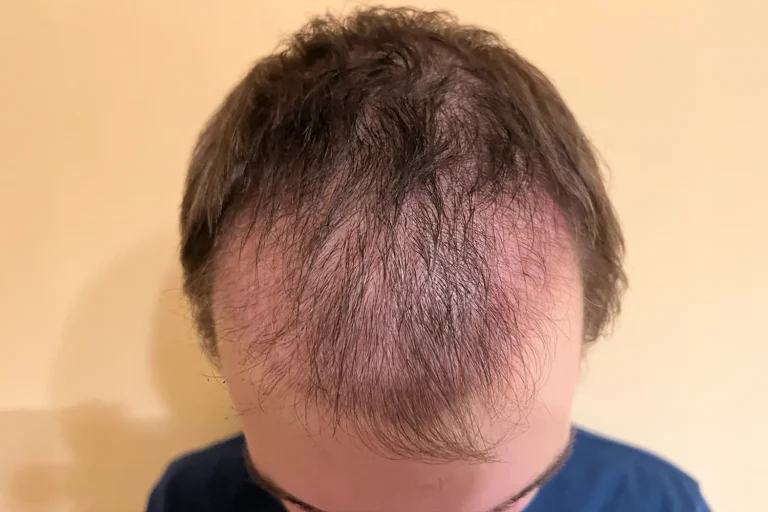
Diagnostic Parameter Tinea Capitis Alopecia Areata Seborrheic Dermatitis Primary Etiology Dermatophyte fungal infection (Microsporum / Trichophyton) Autoimmune response targeting hair follicles Overgrowth of Malassezia yeast and inflammatory reaction Scalp Scaling Present (fine grayish scales or thick crusting) Absent (scalp is smooth and clinically normal) Present (greasy, yellowish, or diffuse white flakes) Hair Shaft Appearance Broken […]
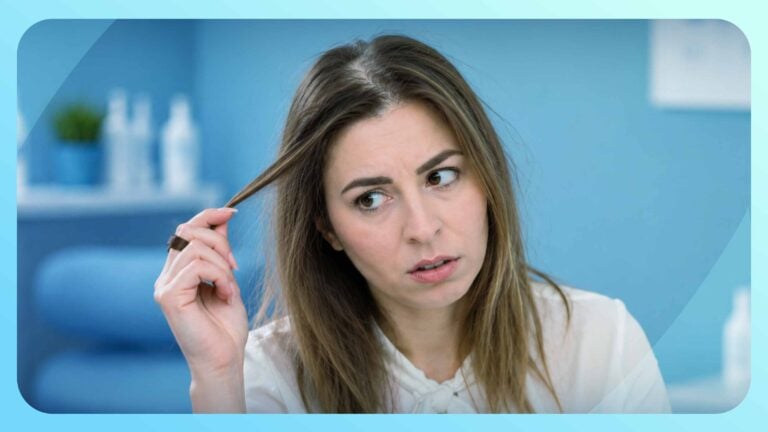
Medical Review by: Prof. Dr. Soner Tatlıdede – September 2026 Quick Summary (TL;DR) Iron deficiency—specifically depleted serum ferritin stores—is one of the most prevalent nutritional triggers of diffuse hair shedding, particularly among women and vegetarians. Iron is not merely a component of blood cells; it serves as a critical biological catalyst for cellular division and oxygen transport inside […]
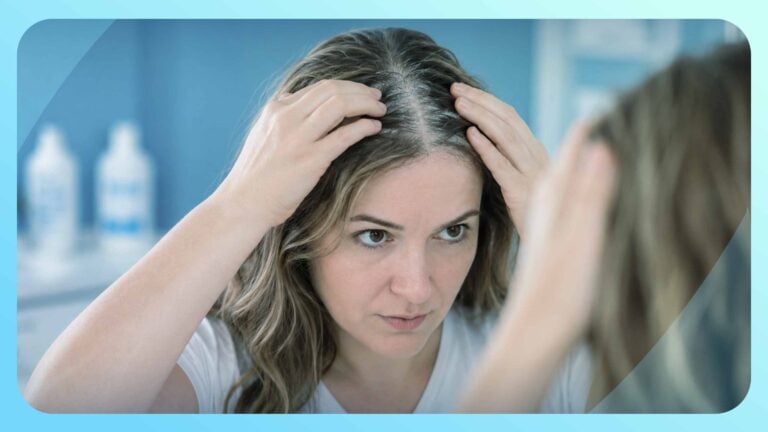
Medical Review by: Prof. Dr. Soner Tatlıdede – September 2026 Direct Definition: What Is Female Pattern Baldness? Female pattern baldness (androgenetic alopecia in women) is a genetically influenced condition characterized by progressive hair thinning across the vertex and widening of the central part line, while usually preserving the frontal hairline. Unlike male pattern hair loss, which frequently causes […]


Thank you!
Your details have been successfully submitted. Thanks!