


The Follicle Guardian: Why Zinc is the Secret to Strong, Healthy Hair

When we think about hair care, we often picture luxury oils, high-end serums, or expensive shampoos. However, the true strength of your hair is built from within.
Among the many minerals your body requires, zinc stands out as a silent hero. It is involved in over 300 biochemical reactions, and when it comes to your scalp, it holds the keys to both structural integrity and growth cycles.
At Clinicana, we believe that understanding your body’s internal chemistry is the first step toward lasting results.
Whether you are struggling with thinning hair or you’ve recently undergone a hair transplant in Istanbul and want to support your new grafts, understanding the relationship between zinc and your follicles is essential.
The Biological Blueprint: What Does Zinc Actually Do?
Zinc is not just a “vitamin” for your immune system; it is a fundamental building block for your hair’s protein structure. Let’s look at its primary roles:
Engineered for Strength: Collagen and Elastin
Your hair is primarily made of a protein called keratin. Zinc acts as a “construction foreman” that oversees the production of collagen and elastin.
These proteins give your hair its elasticity and prevent it from snapping or breaking during styling. Without adequate zinc, hair becomes brittle, dull, and lifeless.
The Engine of Growth: Cell Division
Hair follicles are among the fastest-growing cells in the human body. This high metabolic activity requires a constant supply of energy and raw materials.
Zinc plays a pivotal role in cell division and tissue growth. A deficiency essentially tells your follicles to enter a “hibernation” phase prematurely, leading to stalled growth and thinning.
Zinc and DHT: A Natural Shield Against Balding
This is perhaps the most critical insight for anyone battling Male Pattern Baldness. Most hair loss cases are driven by a sensitivity to a hormone called Dihydrotestosterone (DHT).
This hormone is produced when the enzyme 5-alpha reductase interacts with testosterone.
The Scientific Edge: Research has shown that zinc acts as a natural inhibitor of this enzyme. By maintaining healthy zinc levels, you are effectively helping your body regulate DHT production.
Scientists suggest that zinc can reduce the activity of this balding enzyme by up to 30%. This “Scientific Bias” is why Clinicana focuses on nutritional balance as a core part of our post-operative care.
Silent Signals: Is Your Hair Crying Out for Zinc?
Your body doesn’t use words; it uses symptoms. If you notice any of the following, your follicles might be starving for this essential mineral:
- The “Brittle” Texture: Hair that lacks shine and snaps easily when touched.
- Premature Graying: Zinc helps maintain the pigment (melanin) in your hair; a deficiency can accelerate the appearance of gray strands.
- Chronic Dandruff: Zinc regulates the oil (sebum) production on your scalp. Without it, you create an environment where dandruff flakes can thrive.
- The “Growth Plateau”: When your hair seems to stay the same length for months despite your best care efforts, the problem is likely internal.
Sourcing Your Gold: The Best Foods for Your Hair
Since the human body cannot store zinc for long periods, it must be replenished daily. However, bioavailability matters—your body only absorbs about 30% of the zinc you ingest.
- Animal Proteins: These are the most potent sources (Red meat, liver, and eggs) because they are easily assimilated by the human gut.
- Seafood: Oysters are the world’s richest source of zinc and act as a “turbo-fuel” for your follicles.
- Plant-Based Options: Cashews, almonds, legumes, and whole grains. (Note for vegetarians: You may need higher intake levels as “phytates” in plants can hinder zinc absorption).
The Supplement Trap: Why Balance is Vital
It is a common mistake to assume that “more is better.” Taking zinc supplements without professional guidance can lead to unintended consequences.
The Copper Conflict: Excessive zinc intake over a long period can interfere with your body’s ability to absorb copper, another mineral vital for hair health. This imbalance can lead to anemia and, ironically, more hair loss.
At Clinicana, we always recommend a blood test before starting any high-dose supplementation. The recommended daily allowance is typically between 8mg and 11mg; exceeding this requires medical supervision.
Zinc After a Hair Transplant in Turkey
For our patients who have undergone a hair transplant, we view zinc as a “healing accelerator.”
Because zinc is crucial for wound healing and tissue repair, maintaining healthy levels ensures that the donor and recipient areas heal quickly. It provides the “fertile soil” that newly transplanted grafts need to take root and flourish.
FAQ About Zinc and Hair
Can zinc pills cure alopecia areata?
Zinc isn’t a standalone cure for genetic or autoimmune alopecia, but it acts as a vital “support factor.” It strengthens the hair shaft and regulates the enzymes that accelerate thinning, making it a key part of any recovery plan.
How long does it take to see results from zinc?
Since hair grows in slow cycles, you should expect to see visible improvements in density and texture after 3 to 6 months of consistent intake. Patience is key when restoring nutritional balance.
Can I take zinc with other vitamins?
Yes, it pairs perfectly with Biotin and B-vitamins. However, avoid taking it simultaneously with iron or calcium supplements, as they can block zinc absorption in your gut.
Does zinc cause nausea?
Yes, if taken on an empty stomach. To avoid discomfort, always take your zinc supplement during a protein-rich meal to ensure smooth digestion and optimal absorption.
Can too much zinc cause hair loss?
Ironically, yes. Excessive zinc can lead to a copper deficiency, which actually triggers hair shedding. Always stick to the recommended daily allowance (8-11mg) unless otherwise directed by a specialist.
Why Choose Clinicana for Your Hair Restoration?
At Clinicana, we don’t just offer surgeries; we provide biological solutions. We understand that your hair’s beauty starts from within and ends with the most advanced surgical techniques.
Our medical team in the heart of Istanbul combines decades of experience with the latest FUE and DHI technologies, alongside nutritional guidance that ensures your results last a lifetime.
Your hair health is a reflection of your overall well-being. Don’t let your follicles struggle in silence.
Contact Clinicana today for a free, no-obligation consultation, and let us help you reclaim your confidence and your hair.


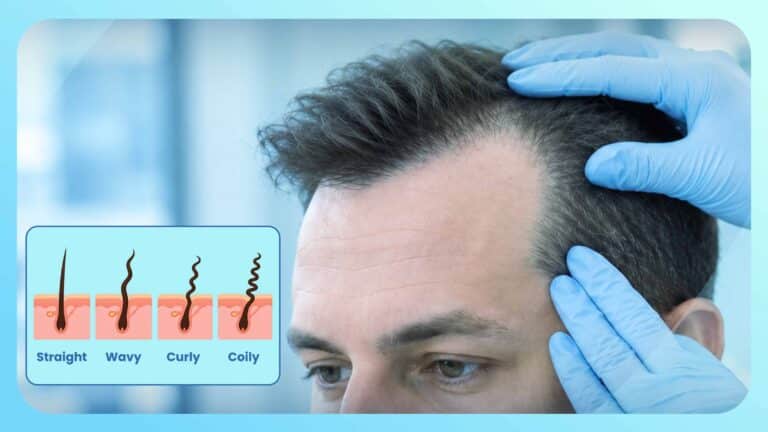
Medical Review by: Prof. Dr. Soner Tatlıdede – September 2026 Quick Summary (TL;DR) Hair types are globally categorized into four main classes—Type 1 (Straight), Type 2 (Wavy), Type 3 (Curly), and Type 4 (Coily/Afro-textured)—determined by the biological shape and exit angle of the hair follicle beneath the scalp surface. While straight hair grows from round, perpendicular follicles, […]
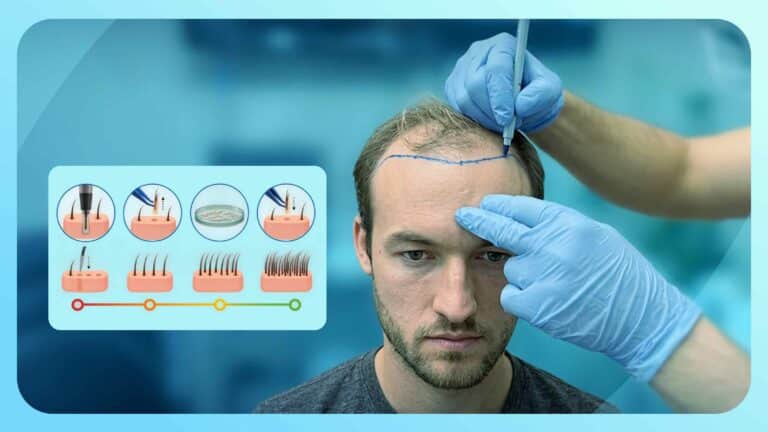
Medical Review by: Prof. Dr. Soner Tatlıdede – September 2026 Quick Summary: Medical Facts at a Glance Introduction: Clarifying the Medical Reality of “Hair Transfer” When individuals experience thinning hair, receding hairlines, or crown balding, their search for solutions often begins with terms like “hair transfer.” While the word transplant sounds strictly surgical, many patients […]
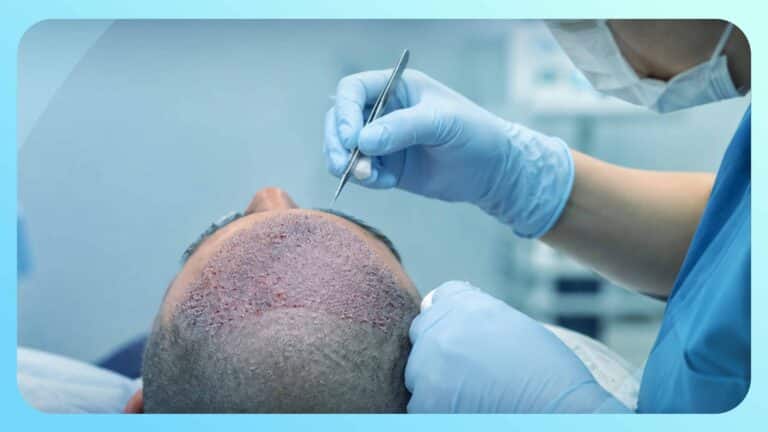
Medical Review by: Prof. Dr. Soner Tatlıdede – September 2026 Quick Summary (TL;DR) The colloquial phrase “replant hair” is often used by patients searching for options to restore thinning areas or correct a failed previous procedure. From a medical standpoint, hair transplantation does not involve putting fallen hairs back into the scalp or returning extracted hair to its […]


Thank you!
Your details have been successfully submitted. Thanks!