


When can you go in the sun after hair transplant?

When can you go in the sun after hair transplant? Can sun damage hair transplant results? Sunbathing after a hair transplant can be a temptation if, once you have undergone the surgery, good weather comes and you want to enjoy it going out, just for a walk or even going to beach. But, despite the fact that thanks to the FUE transplant technique the recovery time after the operation is really fast, it is vital to follow pre-op instructions and care guidelines before and after getting hair implants, to avoid damage to new grafts.
Lots of people who contact our clinic interested on the cost of a hair transplant, want to know what precautions must follow with the sun after hair transplant. If you are among those wondering “can I sunbathe after hair transplant?”, in this article we are going to explain why it is convenient to avoid sun exposure after a hair transplant, and when it is possible to sunbathe after the operation. Let’s begin!
Does Sun affect hair transplant?
Sun exposure after a hair transplant operation must be always avoided; just take into account that our scalp skin is quite sensitive by itself, and that it will be even more sensitive after a hair transplant, when much of the skin in the intervened area becomes irritated and inflamed, and with graft wounds still healing. Therefore, once the hair transplant is over, we must avoid sun because it can badly affect the new transplanted follicles.
Still, some people may be tempted to sunbathe or simply to go outside without proper head protection shortly after transplantation. We must seriously warn that doing this can cause irritation and itching in the entire operated area, and even sunburns, which will cause dehydration of the grafted follicles, affecting their condition. That is: you can cause a hair transplant failure.
Therefore, if you want to avoid these consequences, it is especially important to avoid direct sunlight after the operation. This does not mean that you should lock yourself at home after the surgery, or that you cannot get your hair transplant during spring or summer; simply, you should avoid going out on very sunny weather during the first days; after over a week, you can protect yourself by wearing a cap or a hat, but always following medical indications.
There are some myths or misinformation claiming that you cannot get a hair transplant in summer… This is totally false; moreover, many people precisely take advantage of this time of the year to get their hair implants coinciding with their holidays, so that they have more time to calmly recover after the intervention or even – why not – to visit some historical tourist places in Istanbul. You just have to take certain precautions.
How long after hair transplant can you go in the sun?
Among the precautions that must be taken into account after undergoing a FUE hair transplant operation, one of the most important is certainly to wait to go in the sun, in order to avoid any damage by sunlight to your recently implanted follicles. As a general rule, it is possible to sunbathe one month after the hair transplant, although everything will depend on the evolution of the grafts and – ultimately – on the advice of our hair surgeon.
As we have already mentioned before, following the deadlines and timings is very important to avoid problems during the healing process after your surgery – both in the donor area and in the receiving area – and any alteration in the expected results of the transplant. It is very important not to expose ourselves directly and for a long time to solar radiation during the first days, as well as to chlorine in pools, or to salty water in sea.
This is because these agents cause irritation, dryness and alterations in grafts; for the same reason, it is not advisable to do intense sports – especially in the first two weeks – to avoid sweating, which also increases the risk of infections. After 10 days we can start wearing a cap or a hat as long as it does not put pressure on the operated area; and after 30 days, we can return to our normal life… and yes, also sunbathe!
This timing, however, may vary in each patient, since the healing or growth rate of new follicles is different in each person; It may happen that some patients can already sunbathe without problem after 20 or 25 days, while in others it may be necessary to wait 40 days or more. Therefore, it must be the hair surgeon in charge of our operation the one who should determine in each case which moment is the most appropriate.
Now, it´s clear when can you go in the sun after hair transplant. The most important thing, however, is to get your hair treatment in a trustworthy clinic with an experienced medical team. Clinicana is the best hair clinic in Turkey, and we are specialised in all hair treatments: request your free consultation, and ask us for a free, no obligation estimate for your treatment.


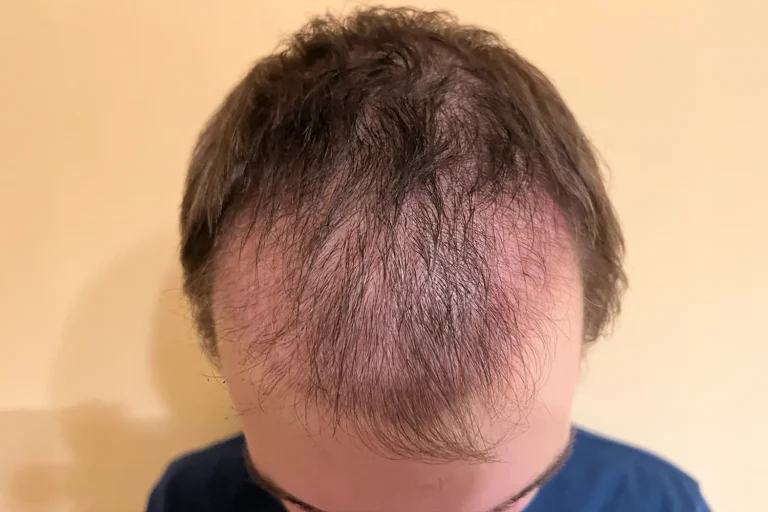
Diagnostic Parameter Tinea Capitis Alopecia Areata Seborrheic Dermatitis Primary Etiology Dermatophyte fungal infection (Microsporum / Trichophyton) Autoimmune response targeting hair follicles Overgrowth of Malassezia yeast and inflammatory reaction Scalp Scaling Present (fine grayish scales or thick crusting) Absent (scalp is smooth and clinically normal) Present (greasy, yellowish, or diffuse white flakes) Hair Shaft Appearance Broken […]
Medical Review by: Prof. Dr. Soner Tatlıdede – September 2026 Quick Summary (TL;DR) Iron deficiency—specifically depleted serum ferritin stores—is one of the most prevalent nutritional triggers of diffuse hair shedding, particularly among women and vegetarians. Iron is not merely a component of blood cells; it serves as a critical biological catalyst for cellular division and oxygen transport inside […]
Medical Review by: Prof. Dr. Soner Tatlıdede – September 2026 Direct Definition: What Is Female Pattern Baldness? Female pattern baldness (androgenetic alopecia in women) is a genetically influenced condition characterized by progressive hair thinning across the vertex and widening of the central part line, while usually preserving the frontal hairline. Unlike male pattern hair loss, which frequently causes […]


Thank you!
Your details have been successfully submitted. Thanks!