




Eyebrow Hair Transplants in Turkey
Medically reviewed by Prof. Dr. Soner Tatlıdede, Hair Transplant Surgeon — 22+ years, ~18,000 procedures · 14 June 2026
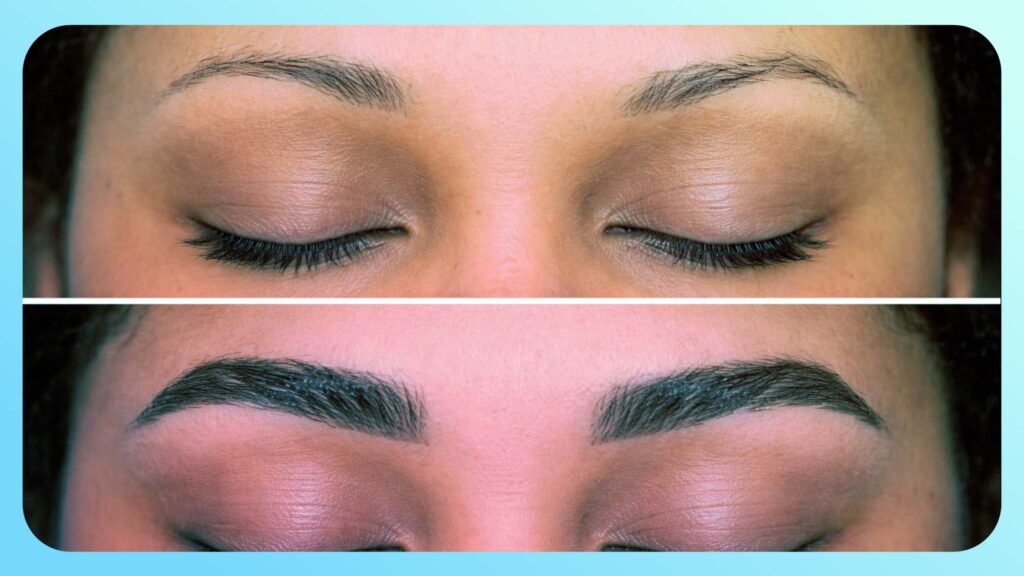
An eyebrow hair transplant in Istanbul, Turkey, offers a permanent solution for thin, patchy, or missing eyebrows, restoring a fuller and natural-looking shape.
Unlike a standard head hair transplant procedure, eyebrow restoration requires specific artistic precision to match the natural angle and direction of eyebrow growth.
Eyebrows play a key role in facial harmony and expression, so any loss of density can seriously affect self-confidence, especially for women.
At Clinicana Hair Transplant Clinic in Istanbul, patients can benefit from modern eyebrow hair transplant techniques in Turkey, with personalised treatment plans and competitive packages tailored to their needs.
Characteristics of eyebrow hair
Eyebrows have several unique characteristics that must be considered before an eyebrow hair transplant in Turkey.
The first is that eyebrow hairs emerge from the skin at a very sharp angle, so they tend to lie flat along the surface, unlike scalp hair, which usually grows at about a 45‑degree angle.
The second one is that the hair of the eyebrows grows as individual strings, so that each bulb contains only one hair, contrary to the head hair, where the bulbs may contain from 2-4 hairs each.
The third is that the eyebrow hair has a very short growth cycle. This means that the eyebrow hair grows only in about four months before it enters rest and falls. In contrast, scalp hair has a life cycle of 3-7 years, so scalp hair can grow for much longer.
Causes of eyebrow hair loss that require a transplant operation in Turkey
- The most common cause of eyebrow hair loss in women is over‑plucking, which over time can permanently damage the hair follicles, lead to scarring, and stop new hair from growing.
- Another frequent cause is repeatedly drawing or filling the eyebrows with cosmetic pencils; when makeup is not removed properly, it may weaken the hairs and contribute to eyebrow thinning.
- Natural ageing also plays a role, as people in their 50s or 60s often notice that their hair becomes finer, including in the eyebrow area.
While some patients want to have an eyebrow transplant simply to enhance their facial features, others seek eyebrow restoration for bald or brown spots caused by burns or hair loss after medical treatments such as chemotherapy or radiotherapy.
For many people, eyebrow hair loss has a genetic cause: their eyebrows are naturally very thin, with patchy areas or even complete absence of hair.
In other cases, eyebrow thinning is linked to conditions such as alopecia or systemic diseases like thyroid disorders.
All these problems can result in partial or total eyebrow hair loss, leading patients to look for a permanent solution – something that is now possible with a modern eyebrow transplant in Istanbul, Turkey.
Questions & Answers
Before planning an eyebrow hair transplant in Turkey, each patient must be assessed individually so the medical team can determine the most suitable technique and treatment plan.
Once your case has been evaluated by the experienced staff at Clinicana in Istanbul, you will receive personalised recommendations for the best way to restore your eyebrows.
Here are some of the most frequently asked questions about eyebrow hair transplantation, along with concise answers.
If you have any other questions, you can always contact our team directly for further details.
What is the number of follicles needed for eyebrow transplantation?
There is no fixed number of follicles because the requirement varies from one patient to another and depends on the goal of the procedure.
Covering a scar or an area of complete absence, for example, usually needs a different number of grafts compared with simply improving thickness and definition.
In general, an eyebrow transplant may require anywhere from 50 to 400 grafts per eyebrow to achieve a natural and harmonious result.
How long will the eyebrow transplant operation take?
The duration of an eyebrow hair transplant operation is usually about 3 to 4 hours. The exact time depends on the individual case, the total number of grafts needed, and the size of the area that has to be covered.
This timeframe includes designing the new eyebrow shape, extracting the follicles from the donor area, preparing the grafts, and carefully implanting them in the eyebrow region.
What are the steps and stages for an eyebrow transplant?
At our Clinicana center in Istanbul we use an eyebrow hair transplant method that is characterized by the simplicity of the procedure.
The new eyebrow shape is carefully designed, combining the patient’s preferences with the aesthetic assessment of the medical team at Clinicana to ensure a natural look that suits the face.
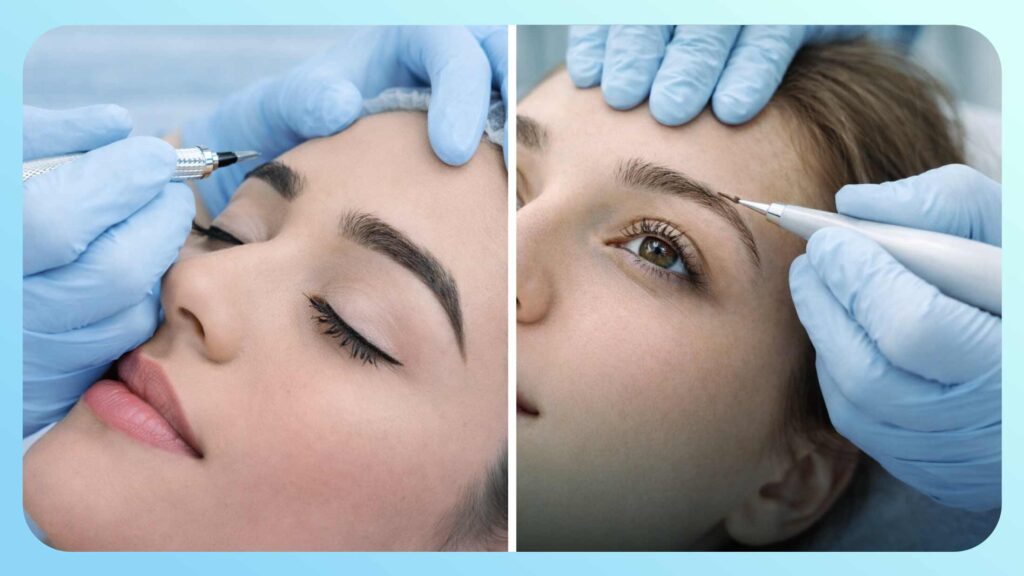
Using the FUE technique, hair follicles are extracted from the donor area, usually from the back or sides of the head; in many cases, grafts are taken from behind the ears because the hair there is finer and similar to natural eyebrow hair.
Single‑hair grafts are selected and tiny channels are opened in the eyebrow area at a sharp angle to replicate the natural direction and pattern of eyebrow growth.
The follicles are implanted into the recipient sites, starting from the part of the eyebrow closest to the nose and moving outward and upward until the required coverage and density are achieved.
What are the side effects of eyebrow transplantation?
The process of eyebrow transplantation is relatively simple, so the side effects are limited to some small crusts surrounding the planted hairs and some swelling and redness that can appear in the 5 days following the operation; in fact the redness will be reduced and turned into a pink colour after 3 days, and the swelling start to go down.
What will happen to the transplanted hair in the period after the eyebrow implant?
The transplanted hair will fall after 3 or 4 weeks, but don´t worry: this is a normal part of the hair cycle, and then it will grow again in the fourth month after planting. During the next 6 months, the density of the eyebrows will gradually increase.
When can I return to work and normal life after an eyebrow hair transplant in Turkey?
The recommended recovery period after the eyebrow transplantation usually ranges from 5 to 7 days. After 5 days, you can practice your normal life without showing any symptoms or problems that hinder your work.
What is the ideal way to take care of the eyebrows after the healing is reduced and the final results emerge?
When the new hair growth is complete, transplanted hair should never be plucked because this method slows the growth process over time and can give negative results. The most important thing is to cut the hair follicle, which grows evenly along with the rest of the eyebrow hair. Since grafts come from the scalp, they usually need to be trimmed every two weeks.
What is the Islamic ruling on eyebrow hair transplant?
Some people wonder about any rulings affecting eyebrow transplants and whether there is any legitimate excuse for it in Islam.
In fact, the process of eyebrow hair transplants, and also the scalp hair transplants and others, fall under the category of ‘the repair of defects of birth or disease’, as it has been stated by the International Islamic Fiqh Academy:
“It is permissible to carry out the necessary plastic surgery, which is intended to repair congenital or emergent defects (acquired) from the effects of burns, accidents, diseases and others, including hair transplantation in case of a fall, especially for women”
What is the cost of an eyebrow restoration procedure in Istanbul?
The cost of an eyebrows hair transplant starts from 1500 euros and varies according to each patient.
Why Choose Clinicana for Your Eyebrow Restoration?
At Clinicana, we combine specialised medical expertise with artistic precision to deliver superior eyebrow transplant results in Istanbul, Turkey.
We are committed to offering high-quality care at competitive rates, ensuring the best value for your investment.
Contact us today for a free consultation and discover how we can help you achieve the perfect brow shape!
Edited by Clinicana team
Medically reviewed by Prof. Dr Soner Tatlıdede, Hair Transplant Surgeon — 22+ years, ~18,000 procedures.
Last reviewed 14 June 2026