


Does oily scalp cause hair loss?

The relation between oily scalp and hair loss is a matter of concern for many people, including those facing alopecia problems that are interested in the cost of a hair transplant in Turkey looking for a solution.
Too much oil in scalp generates greasy hair, and although no evidence has found proving that an excess of oil in scalp generates alopecia, it certainly may stimulate hair fall or even accelerate it.
The key is in sebum, a substance produced naturally by glands in our skin with a protective function; when sebum production becomes excessive, our hair becomes greasy, dirty, hair follicles become clogged and then hair problems appear.
The question is: to what extent is hair fall affected by an oily scalp? Is there a way to prevent it? Let´s answer all these questions.
Why does my hair fall out when greasy?
Does greasy hair fall out more? Does oily hair cause baldness? As we aforementioned, when sebaceous glands in our scalp produce an excess of sebum, this grease ends up affecting hair;
this sebum accumulates on the skin and obstructs follicles from which hair grows, reducing the supply of nutrients and oxygen and weakening hair as follicles degenerate, which may end up causing hair loss.
This is where we find an indirect relation between greasy hair and hair loss, since this degeneration of follicles ends up destroying them; and once the follicle dies, it can no longer generate more hair,
so not just we are going to lose density in hair, but also hair that is still growing will appear weaker and finer as it deteriorates. This process of hair fall due to oily scalp is progressive, if not stopped in time.
So, does oily hair fall out more? Yes: if you already suffer from other hair loss problems, for example male pattern baldness, a greasy hair will accelerate hair loss; therefore, it is essential to establish what factors are influencing in excessive production of sebum.
What causes an oily scalp?
Although most cases of baldness in men are due to male pattern hair loss, triggered by hereditary factors, as we have seen oily hair can accelerate baldness: therefore, it is important to take into account what factors increase production of sebum. There are genetic factors, but also others like the following:
- A fat-rich diet: a diet rich in fats with a low consumption of fruits and vegetables influences the production of sebum in our skin, so in our scalp.
- Stress: it is known that stress affects our body and hair in many ways, for example through production of sebum, which can increase excessively causing an oily scalp and then hair fall.
- Skin diseases: certain skin diseases may cause problems of oil excess on skin and, therefore, on scalp.
- Poor hair hygiene: as many studies point out, we must not forget the importance of taking care of our hair and keeping it clean, washing it enough and using a specific shampoo. However, washing hair in excess can also dry out skin, and then accelerate sebum production.
These are all general considerations. It is always important to consult a specialist to analyze our particular case and determine if we suffer from hair loss because of too much oil in scalp, what causes that excess of oil, and what can we do to reverse the situation.
How do I stop greasy hair?
In order to stop greasy hair from damaging our follicles an accelerating hair loss, we must take appropriate measures in time.
A good prevention should be our best strategy, and the sooner the better, diagnosing in time if we suffer from oily hair or hair loss problems…
Here’s how to cut grease without damaging your hair or irritating your scalp, according to experts.
Once a specialist has analyzed our case, he/she can recommend several habit changes; for example in diet, reducing fatty foods and increasing proportion of fruits, vegetables and foods rich in vitamin B and zinc in our diet; increasing your daily water intake can also help to reduce fat and sebum levels.
Other recommended changes include a better hair care, as we mentioned before; using a specific product to wash our hair, for example an enriched shampoo without aggressive additives – including parabens, silicones or sulfates – can significantly improve our hair hygiene and our hair condition.
It is also necessary to avoid using of gels, hairsprays, dyes or other products that may obstruct follicles.
If you suffer from oily scalp and hair loss, these measures can help improve your hair health; however, in worst cases these changes must be accompanied by a hair transplant.
At Clinicana we are specialists in all hair treatments: just take some minutes to read our patients’ reviews on hair transplant in Turkey, and find out why we are the most recommend clinic, and the only one offering a 100% safe hair transplant. Ask for your free consultation now!
Oily Scalp or Seborrheic Dermatitis?
A greasy scalp on its own rarely causes hair loss. When oiliness comes with redness, itching and yellowish, greasy flakes, the likely cause is seborrheic dermatitis, an inflammatory condition linked to an overgrowth of Malassezia yeast. The inflammation, and the scratching it triggers, can increase shedding. Treating the inflammation usually calms the shedding too. Read more in seborrheic dermatitis and hair loss and can dandruff cause hair loss?.
| Simple oily scalp | Seborrheic dermatitis | |
|---|---|---|
| Oil | Yes | Yes |
| Flakes | No or very few | Yellowish, greasy flakes |
| Redness and itch | No | Often |
| Effect on hair | Hair looks flat and thin | Can increase shedding during flares |
| Treatment | Washing routine, lighter products | Antifungal or anti-inflammatory shampoos, medical treatment if persistent |
Is It the Oil, or Androgenetic Alopecia?
Many people with male pattern hair loss also notice an oilier scalp, because the same androgens influence both the sebaceous glands and the follicles. The oil is a companion, not the cause: if the temples or crown keep thinning while you treat the oiliness, look for signs of hair miniaturization and check the early signs of a receding hairline.
Shampoo Ingredients That Help
- Ketoconazole or ciclopirox: antifungal, useful when flakes and itch are present.
- Zinc pyrithione or selenium sulfide: reduce yeast and flaking.
- Salicylic acid: loosens scale and build-up.
- A gentle daily shampoo between medicated washes, to avoid drying and rebound oiliness.
A Simple Weekly Routine
- Wash daily or every other day with a gentle shampoo; oil does not need to be “trained” by washing less.
- Use a medicated shampoo two or three times a week, leaving it on for 3–5 minutes.
- Apply conditioner to the lengths only, not to the scalp.
- Avoid heavy oils, waxes and silicone-rich products on the scalp.
- See a dermatologist if redness, pain or patches of hair loss appear.
Oily Scalp After a Hair Transplant
Oiliness and small pimples are common in the first weeks after surgery, when washing is gentle and restricted. Follow your clinic’s washing protocol rather than switching to strong shampoos early; see when to wash your hair after a hair transplant.
Can an oily scalp cause permanent hair loss?
No. Oil itself does not destroy follicles. Permanent loss comes from genetic hair loss or, rarely, scarring conditions.
Does washing my hair every day cause hair loss?
No. The hairs you see in the shower were already in the resting phase and would have fallen anyway.
If your scalp is not only oily but also constantly damp, the cause may be sweat rather than sebum — see why your head sweats so much and what actually helps.


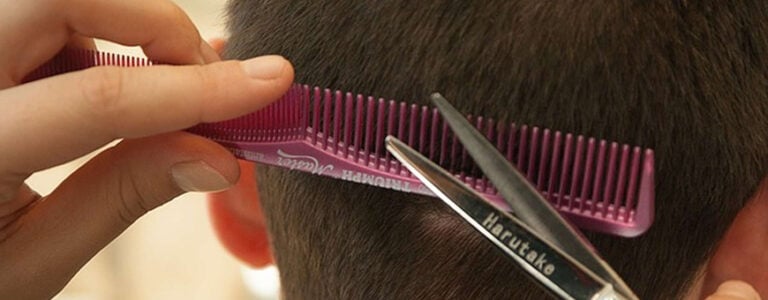
By Prof. Dr. Soner Tatlıdede · October 2026 When can you cut your hair after a hair transplant? Hair in the donor area can be trimmed after 1 month using scissors or clippers. As for the recipient area, trimming only the ends of the hair using scissors is permitted after 2 months. However, you must wait at […]

By Prof. Dr. Soner Tatlıdede · October 2026 Congratulations on completing your hair transplant. While the surgical part is finished, the success of your restoration now depends heavily on the recovery phase. In our clinical experience, the first two weeks post-surgery are just as critical as the procedure itself. Understanding what to avoid after a hair transplant […]
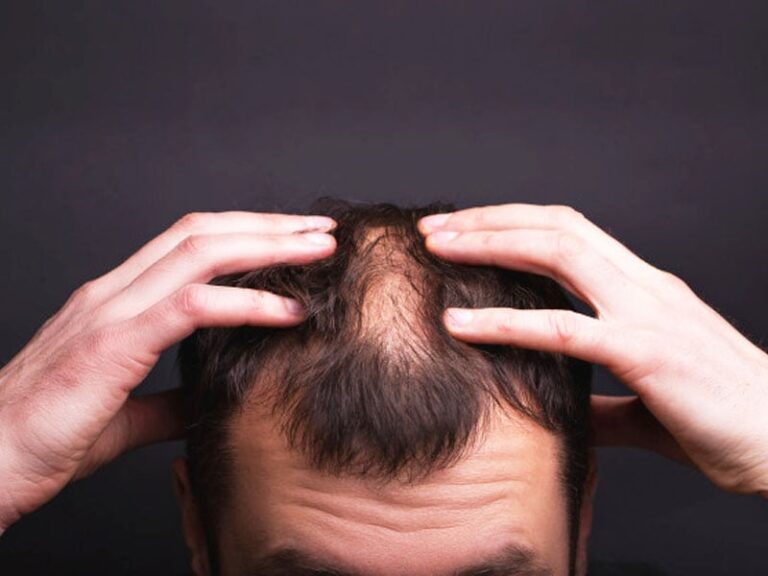
Scalp psoriasis and seborrheic dermatitis are chronic inflammatory conditions that frequently cause discomfort, itching, redness, and scaling. For individuals experiencing hair thinning alongside these conditions, severe anxiety often arises regarding permanent follicle loss and the feasibility of hair restoration. A central concern among patients is whether undergoing a hair transplant while managing scalp psoriasis is […]


Thank you!
Your details have been successfully submitted. Thanks!