


Eyebrow Hair Loss: Causes, Medical Treatments, and Permanent Restoration
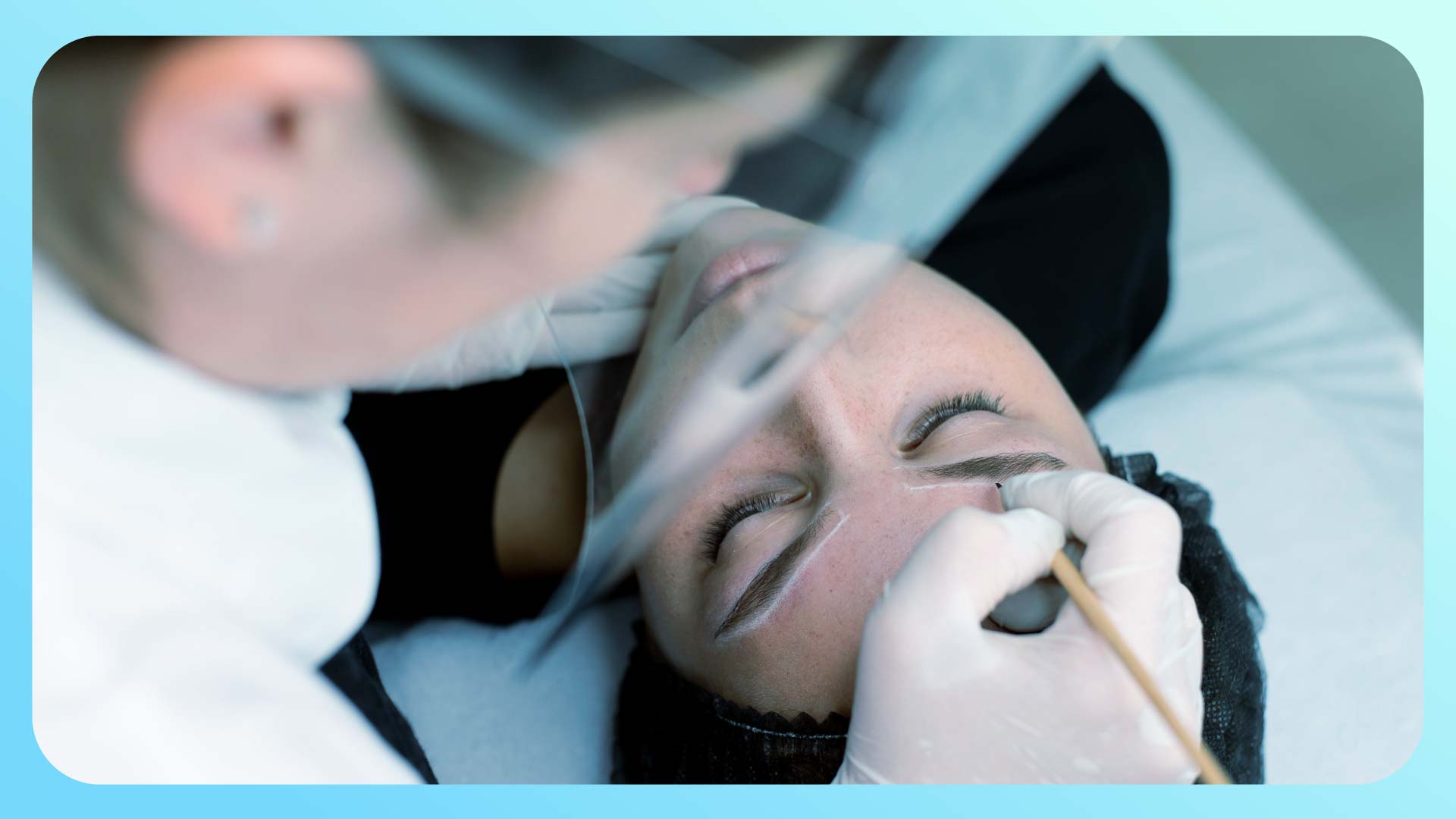
Medical review by: Prof. Dr. Soner Tatlıdede, hair transplant surgeon (22+ years, 18,947 procedures) – September 2026
Eyebrows serve a fundamental role in defining facial expressions, enhancing facial symmetry, and protecting the eyes from perspiration and debris.
When eyebrow hairs begin to thin, break, or disappear completely, the loss deeply affects aesthetic confidence and overall facial harmony.
Understanding whether your eyebrow shedding is caused by an underlying medical condition or follicular trauma is the critical first step toward choosing the right therapeutic or microsurgical solution.
To manage eyebrow loss effectively, it is essential to comprehend how eyebrow hair differs biologically from scalp hair. Both follow the same basic growth phases—Anagen (active growth), Catagen (transition), and Telogen (resting/shedding)—but their timelines are radically different.
- Anagen Phase: Eyebrow follicles have a very short active growth phase lasting only 30 to 45 days (compared to 2 to 6 years for scalp hair). This short window limits eyebrow hair length naturally.
- Catagen Phase: Lasts approximately 2 to 3 weeks while the follicle shrinks.
- Telogen Phase: Lasts up to 3 to 4 months before the hair sheds naturally to make way for new growth.
Because eyebrow follicles spend a significant proportion of their life cycle in the resting phase, any disruption caused by physical injury, autoimmune disease, or systemic imbalance quickly manifests as sparse brows or noticeable bald spots.
Eyebrow loss—clinically referred to as eyebrow hypotrichosis or madarosis—can develop gradually or occur abruptly. Identifying the exact underlying trigger determines whether the hair can regrow naturally or requires microsurgical intervention.
Over-Grooming and Mechanical Strain
Repeated plucking, waxing, or threading pulls hair roots out repeatedly. Over time, physical trauma damages the delicate dermal papilla within the hair bulb, resulting in permanent follicle death and localized scarring (traction-induced loss).
Endocrine Disruption & Thyroid Disorders
The thyroid gland regulates crucial body metabolic functions and cellular turnover.
- Hypothyroidism (Underactive Thyroid): Frequently causes noticeable thinning of the outer third of both eyebrows (clinically known as Hertoghe’s sign).
- Hyperthyroidism (Overactive Thyroid): Leads to fine, brittle eyebrow hair that snaps easily or sheds prematurely.
Autoimmune Conditions
Autoimmune disorders cause the body’s defense mechanisms to attack hair follicles mistaken for foreign invaders:
- Alopecia Areata: Produces smooth, round bald patches across the brow line.
- Frontal Fibrosing Alopecia (FFA): A scarring form of hair loss predominantly affecting postmenopausal women. It frequently destroys eyebrow follicles years before scalp recession becomes apparent.
Dermatological Conditions
Skin disorders affecting the facial area cause local inflammation, scaling, and follicle suppression:
- Eczema (Atopic Dermatitis) & Psoriasis: Persistent inflammation and scratching damage the fragile brow area.
- Seborrheic Dermatitis: Redness, oily scaling, and buildup around the brow arch lead to hair loss.
Nutritional Deficiencies and Aging
A lack of essential micronutrients—specifically Iron (ferritin), Zinc, Biotin, Vitamin B12, and Vitamin D—impairs cellular division within the root matrix. Furthermore, as part of the natural aging process, declining levels of estrogen and testosterone cause overall thinning of facial hair.
The table below summarizes the key differences between various triggers of eyebrow loss, their clinical features, and their respective treatment pathways:
A medical evaluation is indispensable prior to choosing any therapeutic plan. Attempting cosmetic cover-ups (such as tattooing or microblading) over active skin diseases can aggravate tissue damage.
A clinical assessment includes:
- Dermoscopy & Trichoscopy: Utilizing high-power magnification tools to evaluate follicular ostia, active skin inflammation, and hair shaft diameters.
- Comprehensive Laboratory Blood Panels: Checking Thyroid Stimulated Hormone (TSH), Serum Ferritin, Zinc, Vitamin B12, and autoimmune markers.
- Medical History Review: Examining recent surgical history, medication use, stress triggers, and family history of hair disorders.
When eyebrow loss is non-scarring and caught in its early stages, non-surgical medical management can stimulate recovery:
- Topical Serums and Prescription Solutions: Peptide-enriched serums and dermatological solutions can prolong the active growth phase in live follicles.
- Systemic Medical Correction: Rebalancing thyroid hormone levels through prescribed endocrinological treatments allows dormant brow roots to reactivate.
- Platelet-Rich Plasma (PRP) Therapy: Injections of concentrated autologous platelets into the eyebrow ridge deliver vital growth factors that enhance local microcirculation and nourish weakened follicles.
For individuals suffering from irreversible follicle destruction—whether due to years of over-plucking, trauma, or treated scarring conditions—Eyebrow Hair Transplantation offers the ultimate, permanent aesthetic solution.
Treatment by Cause
| Cause | Typical clue | Usual treatment |
|---|---|---|
| Over-plucking or threading | Gaps where you used to pluck, no other symptoms | Stop plucking for several months; brows often regrow if follicles are not damaged |
| Hypothyroidism | Loss of the outer third of the brow, tiredness, weight gain | Thyroid treatment; see hair loss and hypothyroidism |
| Alopecia areata | Round, smooth patches in the brow or beard | Dermatologist-led treatment (injections or creams) |
| Frontal fibrosing alopecia | Brow loss with a receding hairline in women | Early dermatology treatment; see frontal fibrosing alopecia |
| Seborrheic dermatitis or eczema | Redness, flaking, itching | Anti-inflammatory and antifungal creams |
| Nutritional deficiency | Diffuse thinning of brows and scalp hair | Blood tests and correction of iron, vitamin D or zinc |
When to See a Doctor
- The loss is sudden or affects both brows and the scalp.
- You notice patches, redness, scaling or pain.
- The outer third of the brow is disappearing together with fatigue or feeling cold.
- Brows have not regrown 6–12 months after you stopped plucking.
Can Eyebrows Grow Back?
If the follicles are intact, yes: after plucking, threading or a temporary illness, brows usually regrow within a few months. Read how long eyebrows take to grow back. When follicles have been destroyed by years of plucking, scarring or a burn, they do not regrow, and an eyebrow transplant becomes the permanent option. Microblading is a cosmetic alternative; compare them in eyebrow transplant vs microblading.
The Surgical Mastery of Direct Hair Implantation (DHI)
Eyebrow transplantation is one of the most aesthetically demanding procedures in hair restoration. Unlike scalp hair, which grows at a 45-degree angle, eyebrow hair grows flat against the skin at an extremely sharp 10 to 15-degree angle. Furthermore, the growth direction shifts dynamically:
- The Head (inner brow): Grows upward and slightly outward.
- The Body (middle brow): Grows horizontally toward the temples.
- The Tail (outer brow): Grows downward and outward.
At Clinicana, our specialists utilize advanced Direct Hair Implantation (DHI) technology featuring ultra-fine Choi Implanter Pens. This technique enables single-step graft placement, allowing the surgeon absolute control over the precise depth, direction, and flat exit angle required for natural-looking brows.
To learn more about single-follicle harvesting and precision placement mechanisms, read our comprehensive guide on the DHI hair transplant technique.
Female patients looking for complete aesthetic hairline and facial feature alignment can also review our dedicated resource on hair transplant for women. For a detailed cost breakdown and procedural package details, consult our official guide on hair transplant cost in Turkey.
Located within the fully accredited Acıbadem Taksim Hospital in Istanbul, Clinicana sets the international benchmark for medical hair restoration and facial microsurgery.
- Expert Surgical Precision: Performed by medical doctors trained in facial aesthetics, ensuring individual graft placement mirrors your natural brow pattern.
- Single-Graft Isolation: Only fine, single-hair follicles are selected from the donor site to avoid unnatural clumped appearances.
- Hospital-Grade Safety: Conducted under stringent sterile conditions to ensure comfortable recovery and flawless healing.
Take the First Step Toward Perfect Brow Symmetry
Thinning or lost eyebrows no longer have to diminish your facial aesthetic or confidence. Whether you require medical therapy or a permanent, natural-looking DHI eyebrow transplant, the expert medical team at Clinicana is ready to assist you.
Contact our medical advisors today to schedule your comprehensive online consultation and receive a customized treatment plan.
- Gabel, G. R. (2018). Eyebrow Restoration: Technique, Artistry, and Clinical Outcomes. Facial Plastic Surgery Clinics of North America, 26(3), 329–338.
- Mirmirani, P., & Willey, A. (2020). Etiology and Management of Eyebrow Hypotrichosis. Dermatologic Surgery, 46(5), 612–620.
- Vañó-Galván, S., et al. (2019). Frontal Fibrosing Alopecia: A Multicenter Review of 355 Patients. Journal of the American Academy of Dermatology, 70(4), 670–678.
- Epstein, J. S. (2021). Advanced Techniques in Eyebrow Transplantation Using Micro-Grafts. Aesthetic Surgery Journal, 41(8), 915–924.


Medical review by: Prof. Dr. Soner Tatlıdede, hair transplant surgeon (22+ years, 18,947 procedures) – October 2026 When can you cut your hair after a hair transplant? Hair in the donor area can be trimmed after 1 month using scissors or clippers. As for the recipient area, trimming only the ends of the hair using […]

Medical review by: Prof. Dr. Soner Tatlıdede, hair transplant surgeon (22+ years, 18,947 procedures) – October 2026 Congratulations on completing your hair transplant. While the surgical part is finished, the success of your restoration now depends heavily on the recovery phase. In our clinical experience, the first two weeks post-surgery are just as critical as […]
Scalp psoriasis and seborrheic dermatitis are chronic inflammatory conditions that frequently cause discomfort, itching, redness, and scaling. For individuals experiencing hair thinning alongside these conditions, severe anxiety often arises regarding permanent follicle loss and the feasibility of hair restoration. A central concern among patients is whether undergoing a hair transplant while managing scalp psoriasis is […]


Thank you!
Your details have been successfully submitted. Thanks!