


How long for eyebrows to grow back after shaving?
Yes, shaved eyebrows grow back. A razor only cuts the hair at the skin surface; the follicle underneath is untouched and keeps producing hair. You will usually feel stubble within a few days and see a visible outline within two to three weeks. Getting back to your full, original brow takes longer, often two to four months and sometimes up to six, because eyebrow hairs grow slowly and in staggered cycles. Plucked and waxed brows take longer than shaved ones, and brows that have been over-plucked for years may not all come back.
This guide explains how long each method takes to recover, why eyebrows are slower than scalp hair, what to do if you shaved or cut part of a brow by accident, what actually helps regrowth, and when missing brows need medical attention.
Do eyebrows grow back after shaving?
They do. Shaving removes only the hair shaft, the part above the skin. The follicle, which is what makes new hair, stays intact, so the same hairs grow back from the same places. Shaving also does not make eyebrows grow back thicker, darker or faster. The regrowth can look coarser for a while because each cut hair has a blunt tip instead of a naturally tapered one, but that is appearance, not a change in the hair (see does shaving make hair grow thicker).
How long do eyebrows take to grow back?
The answer depends on how the hair was removed, because that decides whether the hair is regrowing from a cut shaft or from the root.
| How the brow hair was removed | What was removed | Typical time to look normal again |
|---|---|---|
| Shaved with a razor | The shaft at skin level | Visible outline in 2–3 weeks; full brow in about 2–4 months, occasionally up to 6 |
| Trimmed or cut with scissors | Part of the length | A few weeks, depending on how short the hairs were cut |
| Plucked with tweezers | The whole hair from the root | Several weeks for new hairs to appear; full density can take 3–4 months or more |
| Waxed or threaded | Whole hairs from the root, over an area | Similar to plucking |
| Years of over-plucking | Hairs removed repeatedly from the same follicles | Some follicles may never recover |
Research on eyebrow regrowth is limited. The study most often quoted is small: in 1999, researchers shaved one eyebrow in five volunteers and followed regrowth, and full recovery took up to about six months, slower in a volunteer with lighter, sparser brows. Treat any single number as an estimate. Genetics, age, hormones and general health all change the pace.
Why eyebrows grow back slower than scalp hair
Every hair follicle cycles through three phases:
- Anagen (growth): for eyebrows this lasts only about two to three months. On the scalp it lasts years, which is why scalp hair grows long and eyebrows stay short.
- Catagen (transition): about two to three weeks, when growth stops.
- Telogen (rest): about two to three months, when the hair sits in the follicle until it sheds.
At any moment a large share of your brow hairs are resting rather than growing. When you shave, the resting hairs are cut too, and they do not lengthen again until their follicles restart a growth phase. That is why the first regrowth appears patchy, with some hairs longer than others, and why the brow only looks even once all of those cycles have caught up.
What eyebrow regrowth looks like, week by week
- Days 2–7: dark stubble you can feel and often see, especially in dark hair.
- Weeks 2–4: the brow shape becomes recognisable, but short and uneven.
- Months 1–2: most hairs have visible length; gaps remain where follicles were resting.
- Months 2–4: for most people the brow looks close to how it did before.
- Up to 6 months: the last, slowest hairs catch up.
I accidentally shaved or cut part of my eyebrow. Will it grow back?
Yes. A patch removed with a razor, trimmer or scissors grows back exactly like a fully shaved brow. While it does:
- Do not shave or trim the rest of the brow to “even it out.” You only lengthen the time it takes for both sides to look normal.
- Fill the gap temporarily with a brow pencil, powder or tinted gel in a shade close to your hair.
- Leave the edges alone. Plucking stray hairs around the patch removes them from the root and slows things down.
- Avoid tinting or harsh products on the area while the skin is irritated from the razor.
How to help eyebrows grow back faster
Nothing makes follicles skip their natural cycle, so no product will bring a full brow back in a week. What you can do is avoid slowing regrowth down and correct anything that is holding it back:
- Stop plucking, waxing and threading until the brow has fully grown back.
- Be gentle: no rubbing or scrubbing the area, and remove brow makeup carefully.
- Eat enough protein, iron and vitamin D. Deficiencies are a known cause of thin eyebrows, and a blood test is the only way to know whether you have one (see vitamins for hair growth).
- Medical treatments: minoxidil and bimatoprost are sometimes prescribed off-label for thin brows. Both need a doctor’s advice, because the skin around the eyes is sensitive.
- Oils and home remedies: castor oil, olive oil, coconut oil and onion juice are popular, but the evidence is anecdotal. They are unlikely to harm healthy skin, but do not rely on them to speed things up.
When eyebrows do not grow back
If shaved brows have not returned after about six months, or brows are thinning without any hair removal, something other than the shave is usually involved. Common causes include:
- years of over-plucking or waxing, which can leave follicles permanently inactive;
- alopecia areata, which causes patchy loss;
- frontal fibrosing alopecia, which typically thins the outer brows along with the hairline;
- thyroid disorders, both under- and overactive;
- iron or vitamin D deficiency;
- trichotillomania (repeated hair pulling);
- chemotherapy and some other medicines.
A doctor or dermatologist should look at brows that are not returning, because several of these causes are treatable. Our guide to eyebrow hair loss covers them in more detail.
When the follicles themselves are gone, typically after years of over-plucking or scarring, an eyebrow transplant is the only permanent way to restore hair: individual follicles are moved from the back of the scalp and placed one by one at the angle of natural brow hair. Semi-permanent options such as microblading draw the shape instead of growing hair; we compare the two in eyebrow transplant vs microblading.
Frequently asked questions
Will shaved eyebrows grow back the same?
Yes. The same follicles produce the same kind of hair, in the same direction and shape. The brow can look slightly different while it grows because the hairs are at different lengths.
How fast do eyebrows grow?
Roughly 0.15 mm a day, or about a millimetre a week. Because eyebrow hairs only grow for two to three months before resting, they stay short.
Can you grow eyebrows back in a week?
No. In a week you will see stubble, not a finished brow. Anything promising full regrowth in days is not realistic.
Is it bad to shave your eyebrows?
Shaving does not damage the follicles, so it is less harmful to long-term growth than repeated plucking or waxing. The main drawbacks are stubble, the risk of cutting away more than intended, and razor irritation on sensitive skin.


Medical Review by: Prof. Dr. Soner Tatlıdede – September 2026 Androgenetic alopecia (genetic male pattern baldness) is primarily driven by the hormone dihydrotestosterone (DHT), a potent byproduct of testosterone. The conversion of systemic testosterone into DHT occurs locally within tissue microenvironments via the action of the enzyme 5-alpha reductase (5-AR). When DHT binds to androgen receptors located in […]
Medical Review by: Prof. Dr. Soner Tatlıdede – September 2026 Biotin, historically known as Vitamin B7 or Vitamin H, serves as an essential coenzyme for five key carboxylase enzymes (ACC1, ACC2, PC, PCC, and MCC) within human cellular mitochondria. These carboxylases are responsible for catalyzed carboxylation reactions crucial for fatty acid synthesis, gluconeogenesis, and the catabolism of branched-chain […]
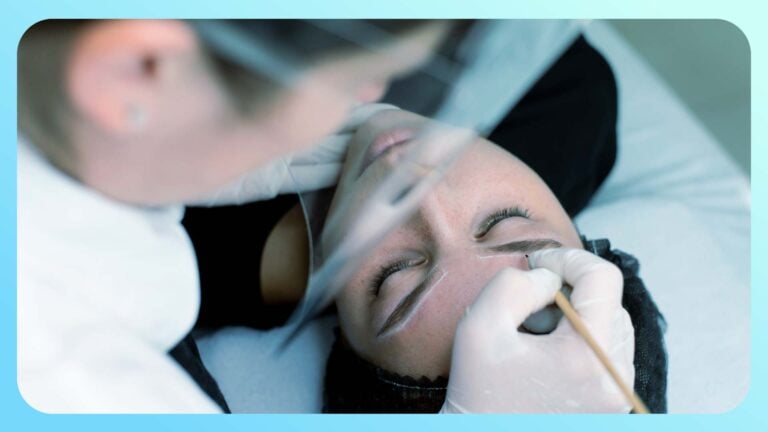
Medical Review by: Prof. Dr. Soner Tatlıdede – September 2026 Eyebrows serve a fundamental role in defining facial expressions, enhancing facial symmetry, and protecting the eyes from perspiration and debris. When eyebrow hairs begin to thin, break, or disappear completely, the loss deeply affects aesthetic confidence and overall facial harmony. Understanding whether your eyebrow shedding is caused by […]


Thank you!
Your details have been successfully submitted. Thanks!