


Does Creatine Cause Hair Loss? The Science Behind the Myth
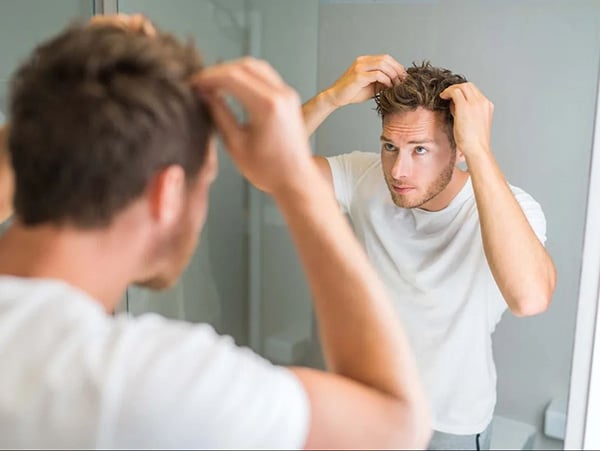
By Prof. Dr. Soner Tatlıdede · August 2026
TL;DR: Does creatine cause hair loss? Current evidence suggests creatine does not directly cause baldness. One 2009 study showed DHT increases, but no participants lost hair. If you have genetic predisposition to male pattern baldness, elevated DHT may accelerate existing hair loss, but creatine alone won’t cause it.
For anyone dedicated to the gym, creatine is often the “gold standard” for boosting strength and muscle mass. But for many men, a troubling question looms over every scoop of powder:
“Will this muscle-builder cost me my hair?” At Clinicana, we frequently meet patients who are at the peak of their physical fitness but are struggling with a receding hairline.
The “Creatine-Hair Loss” debate is one of the most persistent myths in the fitness world. In this deep dive, we move past the locker-room rumors to look at the clinical evidence, hormonal pathways, and what it really means for your scalp.
Does Creatine Cause Hair Loss in Men?
No, creatine does not directly cause hair loss in most men. Creatine is a naturally occurring amino acid found in your muscle cells. It helps your muscles produce energy during heavy lifting or high-intensity exercise.
While your body produces it naturally, and you can get it from red meat and fish, athletes use concentrated supplements to “saturate” their muscles.
This leads to increased ATP production—the primary energy currency of your cells. But how did a muscle fuel become linked to baldness?
What Does Research Say About Creatine and Hair Loss?
Only one study from 2009 has linked creatine to hormonal changes that might affect hair. Here’s what happened:
Almost every article claiming that creatine causes hair loss traces back to a single study conducted in South Africa in 2009.
The Experiment: Researchers followed 20 college-aged rugby players. One group took creatine for three weeks, while the other took a placebo.
The Result: The creatine group showed a 50% increase in their levels of Dihydrotestosterone (DHT). Since DHT is the primary hormone responsible for shrinking hair follicles in men with Male Pattern Baldness, the media immediately jumped to the conclusion: Creatine equals baldness.
Is the Creatine Hair Loss Study Reliable?
No, the 2009 study has significant limitations that prevent us from drawing definitive conclusions. At Clinicana, we look at science with a critical eye. It’s important to note:
Small Sample Size: Only 20 people were involved.
No Actual Hair Loss: The study measured hormone levels, not actual hair loss. None of the players lost hair during the study.
Baseline Differences: The group that took creatine started with lower DHT levels than the placebo group, which might have skewed the percentage of the “increase.”
According to the International Society of Hair Restoration Surgery (ISHRS), more comprehensive studies with larger sample sizes are needed before establishing a causal relationship between creatine supplementation and hair loss.
How Does DHT Cause Hair Loss?
DHT shrinks hair follicles in men who are genetically predisposed to male pattern baldness. To understand the potential risk, we have to look at the 5-alpha reductase enzyme.
This enzyme converts your natural testosterone into DHT. In men with a genetic predisposition to baldness, hair follicles are “hypersensitive” to DHT.
Over time, DHT causes the follicles to shrink (miniaturize) until they stop producing hair altogether. If creatine does increase DHT, does it mean you will go bald? The answer is: Only if you were already going to.
If you do not have the genetic “balding gene,” increased DHT levels generally won’t affect your hair density. However, if you have a family history of hair loss, any factor that raises DHT might accelerate a process that has already begun.
Creatine in Hair Care: The Plot Twist
Interestingly, while people fear ingesting creatine, the hair care industry loves applying it. You will find creatine as a key ingredient in many high-end strengthening shampoos and treatments.
When applied topically, creatine works similarly to keratin. It helps rebuild the internal bonds of the hair fiber, making it more resilient to breakage and environmental damage.
This highlights a classic “Biological Bias”: a substance can have completely different effects depending on whether it enters the bloodstream or is applied to the surface.
What Else Causes Hair Loss in Athletes?
Hair loss in gym-goers often results from training stress, nutritional gaps, or other supplements—not creatine. Many gym-goers who experience hair loss blame creatine, but they often overlook other variables associated with the “fitness lifestyle”:
High-Intensity Stress: Extreme physical training raises cortisol (the stress hormone), which can trigger Telogen Effluvium (temporary shedding).
Anabolic Steroids: Some “performance enhancers” are far more damaging to hair than creatine. Sometimes, creatine gets blamed for the effects of more aggressive substances.
Nutritional Gaps: Focusing too much on protein and forgetting micronutrients like Zinc, Iron, and Biotin can lead to thinning hair.
How Can I Prevent Hair Loss While Taking Creatine?
You shouldn’t have to choose between a strong body and a full head of hair. If you are concerned about the potential hormonal impact of creatine, follow this Clinicana-approved protocol:
Monitor Your Hairline: If you notice increased shedding after starting creatine, take a break and see if the shedding slows down.
Blood Work: Check your DHT and testosterone levels. Knowing your baseline is essential for making informed supplement choices.
Support Your Scalp: Use DHT-blocking shampoos or topical treatments containing green tea extract or saw palmetto to counteract potential hormonal spikes.
Prioritize Recovery: Ensure you aren’t overtraining. Sleep and stress management are just as important for your hair as they are for your muscles.
When is it Time for a Hair Transplant?
If your hair loss has progressed beyond what supplements or lifestyle changes can fix, it might be time to consider a permanent solution. Whether your hair loss was accelerated by supplements or is simply a result of genetics, Clinicana specializes in restoring what was lost.
We understand the unique needs of athletic patients and provide post-op guidance that helps you return to the gym safely without risking your new grafts.
FAQ
Is creatine-induced hair loss permanent?
There is no concrete evidence that creatine causes permanent hair loss. If you experience thinning while taking it, it is likely an acceleration of genetic balding or temporary shedding due to hormonal fluctuations.
Should I stop taking creatine if my father is bald?
If you have a strong genetic predisposition to Male Pattern Baldness, you may want to be more cautious. While creatine doesn’t cause baldness, it could potentially speed up the process if it raises your DHT levels.
Does creatine cause any other side effects?
While hair loss is a myth for most, creatine can cause water retention, bloating, or digestive upset in some users. It is always best to stay hydrated and consult a specialist.
Can women take creatine without losing hair?
Yes. Women have much lower levels of testosterone and DHT than men. The hormonal mechanism that links creatine to male pattern baldness is virtually non-existent in women.
How long does it take to see if creatine affects my hair?
If creatine were to impact your hair through DHT changes, you would likely notice increased shedding within 2-3 months of starting supplementation. Hair loss follows a delayed pattern.
Are there alternatives to creatine that won’t affect DHT?
Beta-alanine, BCAAs, and protein powders do not affect DHT levels. However, creatine remains the most researched and effective supplement for strength gains, and most users experience no hair issues.
Will stopping creatine reverse hair loss?
If creatine accelerated genetic hair loss by raising DHT, stopping it may slow further loss but won’t reverse miniaturized follicles. Only treatments like finasteride, minoxidil, or hair transplantation can restore lost hair.
Reclaim Your Confidence with Clinicana
At Clinicana, we believe you deserve to look as good as you feel. Don’t let gym-floor myths dictate your confidence. Our team of experts in Turkey is dedicated to providing clear, science-based answers and proven hair restoration results.
Don’t let a myth stand in the way of your transformation. Contact Clinicana today for a free consultation and discover how we can help you keep your hair and your gains.
Edited by Clinicana team
Medically reviewed by Prof. Dr. Soner Tatlıdede, Hair Transplant Surgeon — 22+ years, ~18,000 procedures · August 2026


Medical Review by: Prof. Dr. Soner Tatlıdede – September 2026 Quick Summary: Medical Facts at a Glance Introduction: Clarifying the Medical Reality of “Hair Transfer” When individuals experience thinning hair, receding hairlines, or crown balding, their search for solutions often begins with terms like “hair transfer.” While the word transplant sounds strictly surgical, many patients […]
Medical Review by: Prof. Dr. Soner Tatlıdede – September 2026 Quick Summary (TL;DR) The colloquial phrase “replant hair” is often used by patients searching for options to restore thinning areas or correct a failed previous procedure. From a medical standpoint, hair transplantation does not involve putting fallen hairs back into the scalp or returning extracted hair to its […]
In recent years, red light therapy—also known clinically as Low-Level Light Therapy (LLLT) or photobiomodulation—has exploded in popularity across social media, e-commerce stores, and wellness clinics. Promoted via high-tech laser caps, helmets, and motorized light-emitting combs, these devices promise to stop hair shedding, thicken existing strands, and reactivate dormant roots right from the comfort of […]


Thank you!
Your details have been successfully submitted. Thanks!