


Is a Hair Transplant Permanent? What to Expect Long-Term
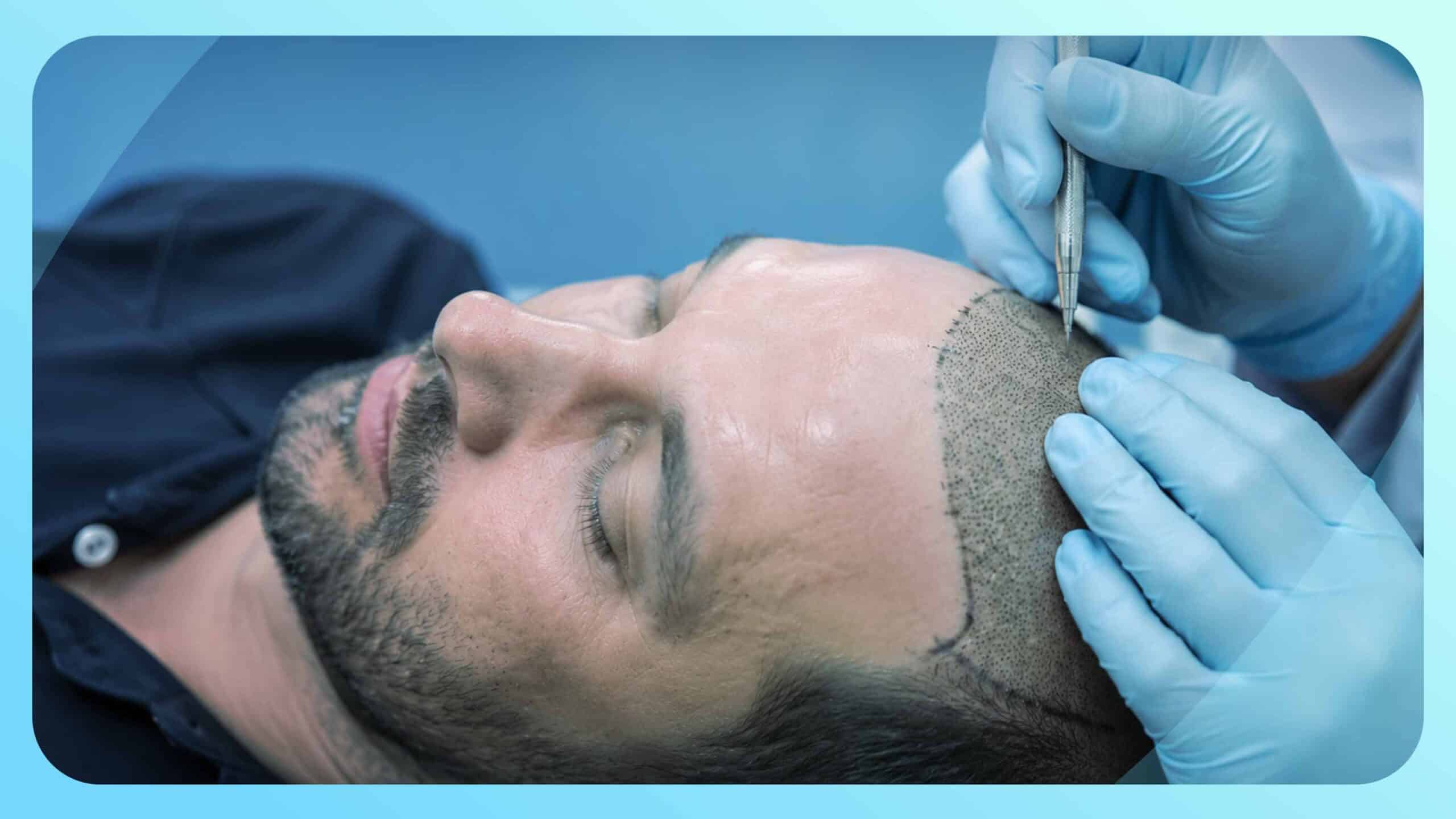
Is a hair transplant permanent?” This is one of the most common questions we receive from patients considering hair transplant surgery in Istanbul.
The short answer is yes. When performed by experienced professionals using modern techniques, a hair transplant is designed to last a lifetime.
However, understanding how it remains permanent—and what factors could influence your results—is crucial for setting realistic expectations.
How Long Does a Hair Transplant Last?
The longevity of your hair transplant depends largely on the technique used and the expertise of the medical team.
FUE vs. FUT: Why Technique Matters
While the older FUT (Strip) method involved removing a strip of scalp and often left visible linear scars, the modern FUE (Follicular Unit Extraction) technique is the gold standard.
- FUE is safer: Lower risk of infection and complications.
- No scarring: It leaves no visible scars, allowing for short hairstyles.
- Natural Results: Follicles are placed one by one to mimic natural growth patterns.
Why Transplanted Hair Doesn’t Fall Out
The secret to permanency lies in the donor area (usually the back and sides of the head). Hair follicles in this region are genetically resistant to Dihydrotestosterone (DHT), the hormone responsible for male pattern baldness.
When these DHT-resistant follicles are moved to the balding areas, they retain their genetic “memory.” Even if your original hair continues to thin, the transplanted hair will remain immune to alopecia.
Factors That Influence Long-Term Success
| Factor | Impact on Results |
| Surgeon’s Expertise | Crucial for graft survival and natural hairline design. |
| Post-Op Care | Essential for the first 14 days to ensure follicles take root. |
| Age & Genetics | While transplanted hair stays, existing hair may still age and thin. |
| Medical Conditions | Certain systemic illnesses can affect overall hair health. |
Why You Might See Hair Loss After Surgery
It is important not to panic if you see hair falling out shortly after your procedure. Here are the two most common reasons:
- Shock Loss (Shedding): This is a temporary phenomenon occurring 2–8 weeks after surgery. The “hairs” fall out, but the follicles remain safely tucked under the skin. New, permanent hair will begin to grow in its place.
- Natural Aging: Just like the rest of your body, hair follicles can weaken as you reach your 60s or 70s. While you won’t go “bald” again, you may notice a slight decrease in density over decades.
Maximizing Your Results: Expert Tips
To ensure your hair transplant lasts a lifetime, follow these essential guidelines:
- Follow Post-Op Instructions: Avoid direct sunlight, heavy exercise, and touching the recipient area for the first two weeks.
- Wait for Stability: A reputable clinic like Clinicana will advise you to wait until your hair loss has stabilized before undergoing surgery to avoid the need for future “touch-up” procedures.
- Healthy Lifestyle: Proper nutrition and avoiding smoking support the blood flow necessary for healthy follicles.
Frequently Asked Questions (FAQ)
Can a hair transplant fail after 10 years?
A transplant rarely “fails” after a decade. If the follicles survived the first year, they are permanent. Any thinning you notice is usually the loss of the non-transplanted original hair.
Do I need to take medication (like Finasteride) forever?
While not always mandatory, many surgeons recommend medications to protect your existing hair from further thinning, ensuring your overall look remains dense.
How soon can I see the final results?
Patience is key. You will see initial growth at 3–4 months, but the full, final density is usually achieved between 12 to 18 months post-surgery.
Secure Your Future Hair with Clinicana
Choosing a trustworthy clinic is the most important step in ensuring a permanent result. Clinicana is widely recognized as a leader in hair transplantation in Turkey, backed by thousands of successful cases and satisfied patients.
Ready for a permanent solution? Contact us today for a 100% Free Consultation and let our experts provide a personalized diagnosis for your hair restoration journey.


Medical Review by: Prof. Dr. Soner Tatlıdede – September 2026 Eyebrows serve a fundamental role in defining facial expressions, enhancing facial symmetry, and protecting the eyes from perspiration and debris. When eyebrow hairs begin to thin, break, or disappear completely, the loss deeply affects aesthetic confidence and overall facial harmony. Understanding whether your eyebrow shedding is caused by […]

Medical Review by: Prof. Dr. Soner Tatlıdede – September 2026 Discovering that your child is losing hair or developing bald patches can be deeply worrying for any parent. Unlike adult hair loss, which frequently stems from genetic factors such as androgenetic alopecia, hair shedding in children is predominantly linked to treatable medical, psychological, or environmental triggers. Understanding the […]
Medical Review by: Prof. Dr. Soner Tatlıdede – September 2026 Temporal Triangular Alopecia (TTA), also referred to as Congenital Triangular Alopecia, is a benign, stationary hair loss condition characterized by a smooth, localized triangular or oval patch of hairlessness near the temples. Arising in early childhood due to follicular hypoplasia, TTA does not respond to topical or oral […]


Thank you!
Your details have been successfully submitted. Thanks!