


Hair Transplant Scars: What to Expect, How to Minimise Them and How to Repair Them
Medical review by: Prof. Dr. Soner Tatlıdede, hair transplant surgeon (22+ years, 18,947 procedures) – October 2026
Quick answer
- Every hair transplant leaves some marks, because skin heals with tiny scars. With modern FUE and DHI these are small dots spread across the donor area, and they are usually invisible once the hair grows back above a very short clipper length.
- The older FUT (strip) method leaves a linear scar across the back of the head, which shows when the hair is cut very short.
- Visible scarring usually comes from over-harvesting (taking too many grafts too close together), large punches, poor healing or a keloid tendency.
- Existing scars can often be improved with FUE grafting into the scar, scalp micropigmentation, or both.
Where do hair transplant scars come from?
| Area | FUE / DHI | FUT (strip) |
|---|---|---|
| Donor area | Small round dot scars where each graft was extracted, spread out | One linear scar where a strip of scalp was removed |
| Recipient area | Tiny channel marks that normally heal invisibly within the new hair | The same as FUE |
| Visibility with very short hair | Usually not visible from a normal distance if harvesting was even | Line visible with very short clipper lengths |
For a full comparison of the two methods, read FUE vs FUT.
What makes scars visible?
- Over-harvesting: taking more grafts than the donor area can spare leaves a thin, moth-eaten look where the dots become obvious. This is why the graft number must come from a donor assessment, not from a target figure. See how many grafts do I need.
- Large or blunt punches used badly: bigger wounds, bigger dots.
- Extraction outside the safe zone: grafts taken too low or too high may come from areas that thin later, exposing the scars.
- Keloid or hypertrophic scarring: some people form raised scars. A personal or family history of keloids must be discussed before surgery.
- Infection or poor aftercare: picking crusts, scratching or infection slow healing and widen the marks.
How we keep scarring to a minimum
- Graft numbers planned from what the donor area can safely give, with extraction spread evenly.
- Punch size matched to the follicle; test extractions when the hair is curly or Afro-textured.
- Hospital-based procedure with sterile technique.
- Clear aftercare: gentle washing, no picking, no sun on the healing skin. Follow the 14-day aftercare checklist.
The healing timeline of donor-area marks
| Time after surgery | What you see |
|---|---|
| Days 1–7 | Small red dots and crusts |
| Weeks 2–4 | Pink dots, hidden as the surrounding hair grows |
| Months 2–6 | Dots fade to pale and flatten |
| Month 12 | Final appearance. Usually unnoticeable unless the hair is shaved very close |
For what the donor area looks like early on, see donor area one week after a hair transplant.
Can existing scars be repaired?
- FUE into the scar: grafts can be implanted into an FUT line or a patch of over-harvested dots. Scar tissue has a weaker blood supply, so growth can be lower than in normal skin, and sometimes a second session is needed.
- Scalp micropigmentation: pigment dots camouflage pale scars, especially for people who keep their hair short.
- Combination: grafts for texture, SMP for colour. This often gives the most natural result.
- Surgical scar revision: occasionally used for a wide FUT scar, with mixed results.
Repairs after a poor result elsewhere are covered in hair transplant gone wrong.
FAQ
Does FUE leave scars?
Yes, small dot scars, but when extraction is spread evenly they are rarely visible unless the hair is shaved very close.
Can I shave my head after FUE?
Most people can wear short clipper cuts once healed. Shaving to the skin may reveal the dots, particularly after large sessions.
How long until the donor area looks normal?
The hair usually hides it within 2–4 weeks, and the marks keep fading for up to a year.
I form keloids. Can I have a transplant?
Possibly, but it needs careful assessment and sometimes a small test area first.
Want to know if this applies to you? Send clear photos of your scalp (front, top, crown and donor area) through our contact page and the medical team will review your case and recommend the right option.

Medical review by: Prof. Dr. Soner Tatlıdede, hair transplant surgeon (22+ years, 18,947 procedures) – October 2026 Quick answer Every hair transplant leaves some marks, because skin heals with tiny scars. With modern FUE and DHI these are small dots spread across the donor area, and they are usually invisible once the hair grows back […]

Medical review by: Prof. Dr. Soner Tatlıdede, hair transplant surgeon (22+ years, 18,947 procedures) – October 2026 Quick answer Istanbul and Antalya are the two Turkish cities most international patients compare for a hair transplant. Izmir and Ankara come up less often. The city matters less than who operates, where and how. The deciding factors […]
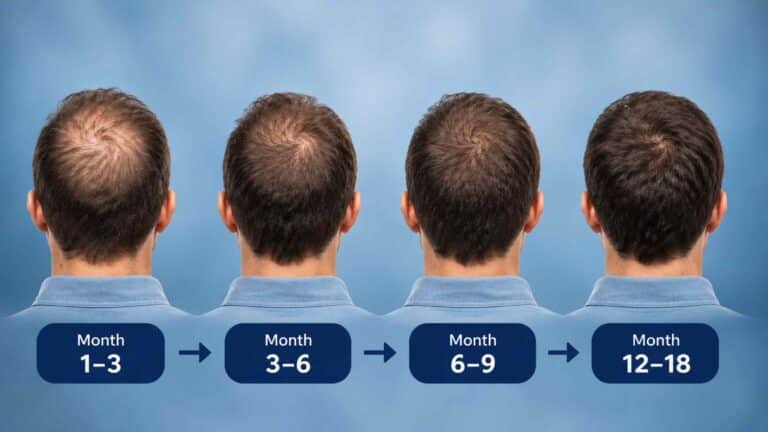
Medical Review by: Prof. Dr. Soner Tatlıdede – September 2026 Quick Summary: Crown Hair Transplant Growth Timeline Month-by-Month Timeline Stage Expected Growth & Hair Recovery Progress 0–2 Weeks Redness, scabbing, and temporary shock loss (shedding of transplanted hair). 2–4 Months Dormant phase ends; initial fine hair begins emerging from the scalp. 5–9 Months Considerable visible growth and […]


Thank you!
Your details have been successfully submitted. Thanks!