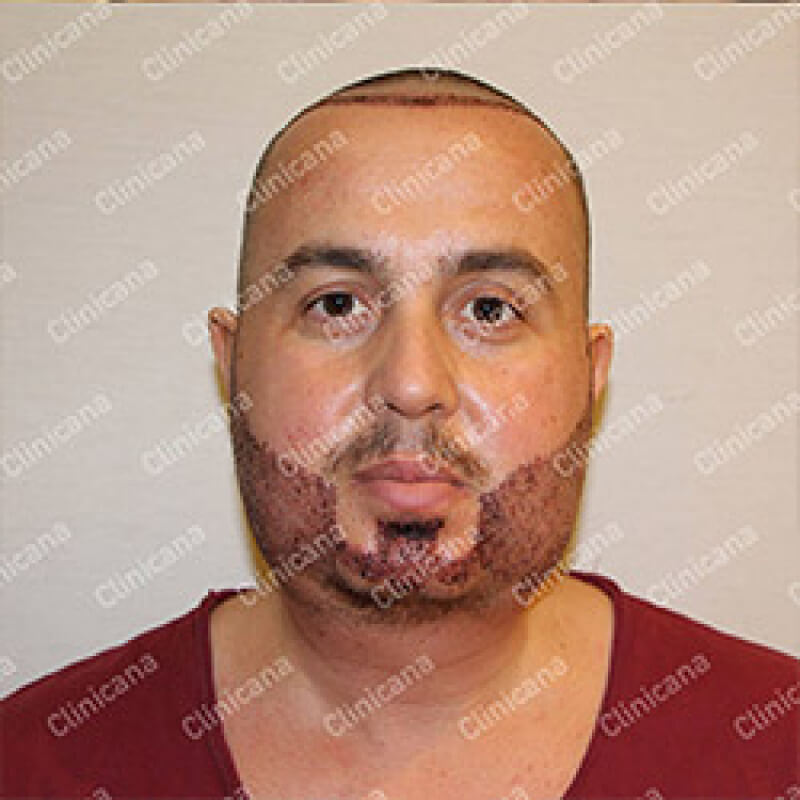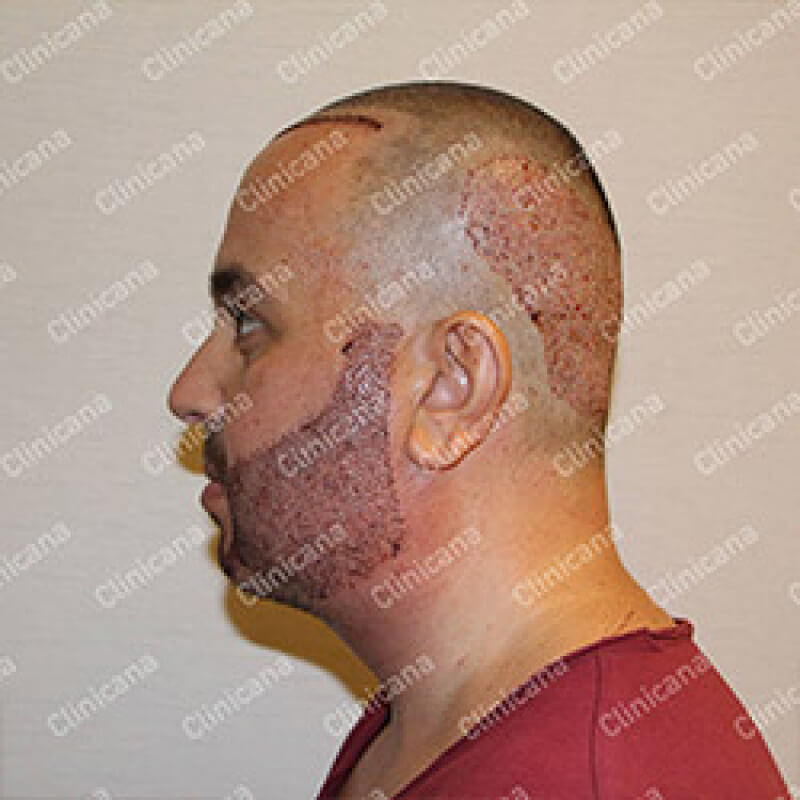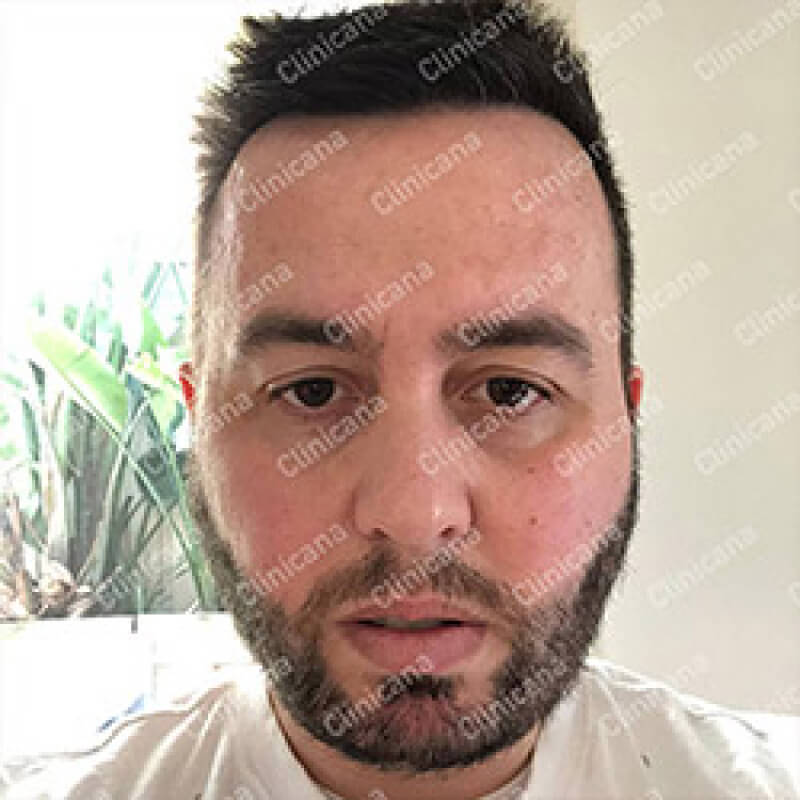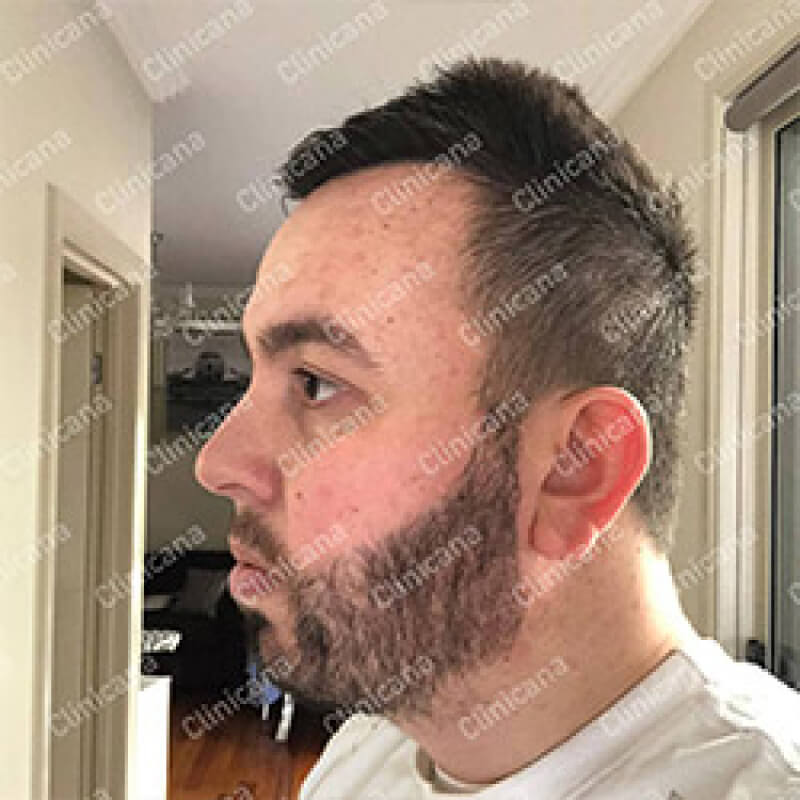





Beard and Moustache Transplant in Turkey
Medically reviewed by Prof. Dr. Soner Tatlıdede, Hair Transplant Surgeon — 22+ years, ~18,000 procedures · 15 June 2026
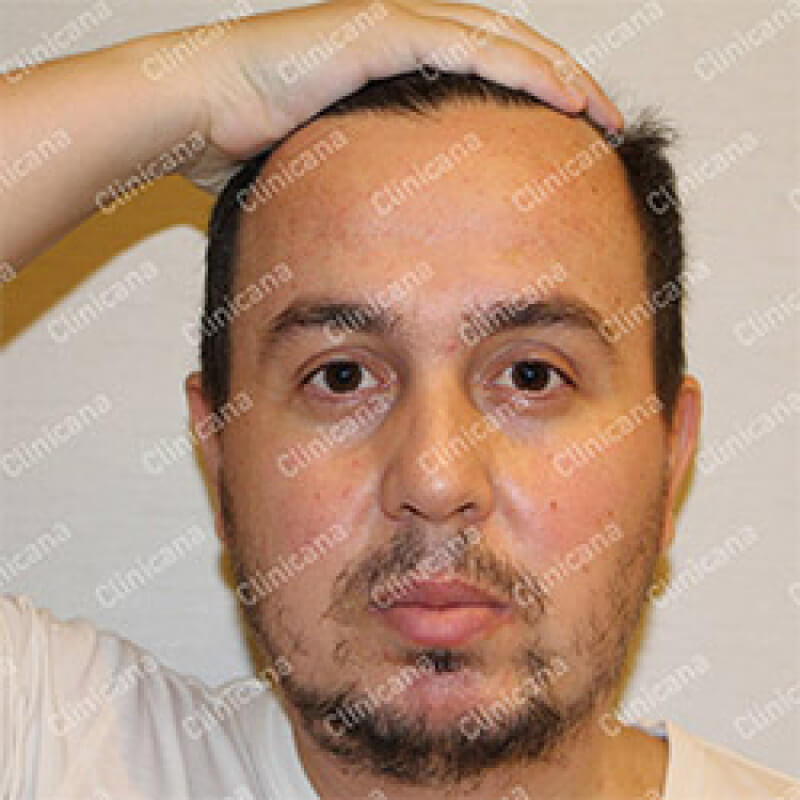
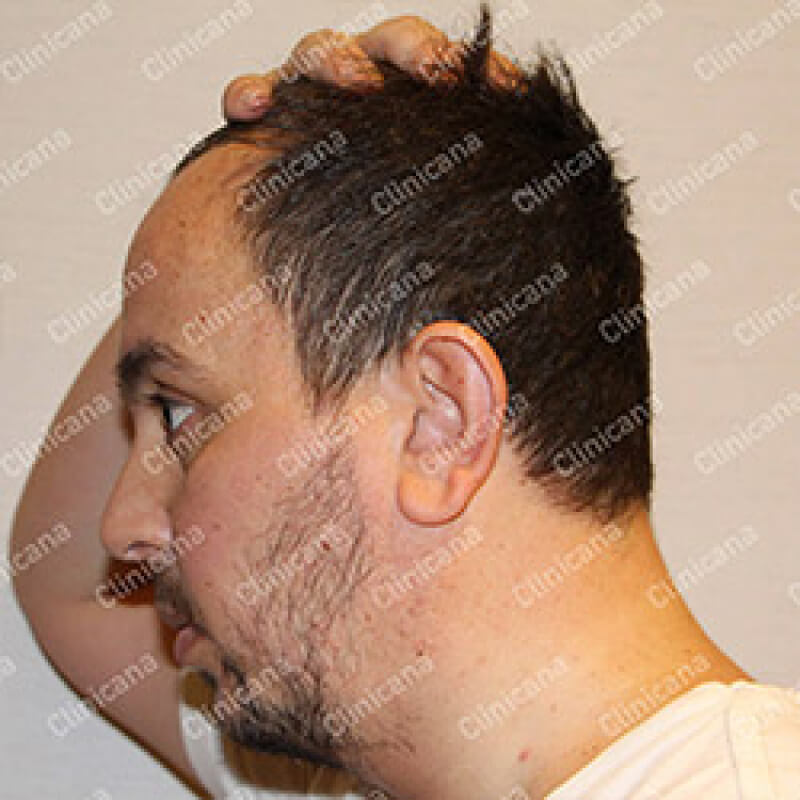
Beard and moustache transplant in Turkey can improve your facial appearance and help you regain confidence, especially if you have patchy growth, empty areas, or want higher beard density.
In many cultures, a full beard is associated with masculinity and is an important part of a man’s overall facial aesthetics.
At Clinicana Hair Transplant Centre in Istanbul, beard and moustache transplants are performed using modern FUE-based techniques that aim for natural density with minimal visible scarring.
You can contact our medical team for a free consultation to find out whether you really need a beard transplant or if alternative treatments could be suitable for your case.
How long does a beard and moustache transplant in Turkey take?
Due to the flexible nature of facial skin, beard and moustache transplants are performed more slowly than a typical scalp procedure.
This allows the surgeon to control the angle and direction of each graft for a natural result.
In most cases, a beard transplant in Turkey takes about 3–4 hours, depending on the size of the area and the density you want to achieve.
Smaller moustache or gap‑filling procedures may take less time.
How many grafts are needed to achieve the beard shape I want?
There is no single fixed number of grafts for a beard transplant, because every face and every pattern of hair growth is different.
Your doctor will first assess the size of the area, existing density, and donor capacity before recommending a graft count.
As a general guide, a full beard reconstruction usually requires a higher number of grafts than simply thickening an existing beard or filling small gaps.
During your consultation at Clinicana, the medical team will design your beard shape and estimate how many grafts are appropriate to achieve a natural result for you.
Will transplanted beard hair grow the same as scalp hair?
There is no need to worry that transplanted beard hair will behave like scalp hair.
Once healed, hair transplanted to the beard area grows like normal facial hair, with similar texture, direction, and characteristics.
Will a beard transplant be painful?
Similar to a scalp hair transplant, a beard transplant in Turkey is usually well tolerated under local anaesthesia.
Most patients feel only mild discomfort, mainly when the anaesthetic is being injected.
This phase typically lasts just a few minutes, and the sensation is limited to brief needle pricks.
Once the area is numb, you should not feel pain during the rest of the procedure, only light pressure or touch.
How long does the beard transplant take and how long should I stay in Istanbul?
For a typical beard and moustache transplant in Istanbul, you usually need to stay in the city for about two days. The process is often organised as follows:
- Day 1 – Arrival and assessment:
- You arrive in Istanbul, are met at the airport, and transferred to your hotel. Later the same day, you visit the hospital for blood tests and an initial consultation with the medical team.
- Day 2 – Beard transplant procedure:
- The beard and moustache transplant is performed at the clinic, and you are advised to rest at the hotel afterwards.
- Day 3 – Checkup and return home:
- You come back to the clinic for a checkup and bandage removal, and then you are generally free to take your flight back home.
What are the stages of a beard and moustache transplant?
A beard and moustache transplant in Turkey at Clinicana follows several planned stages:
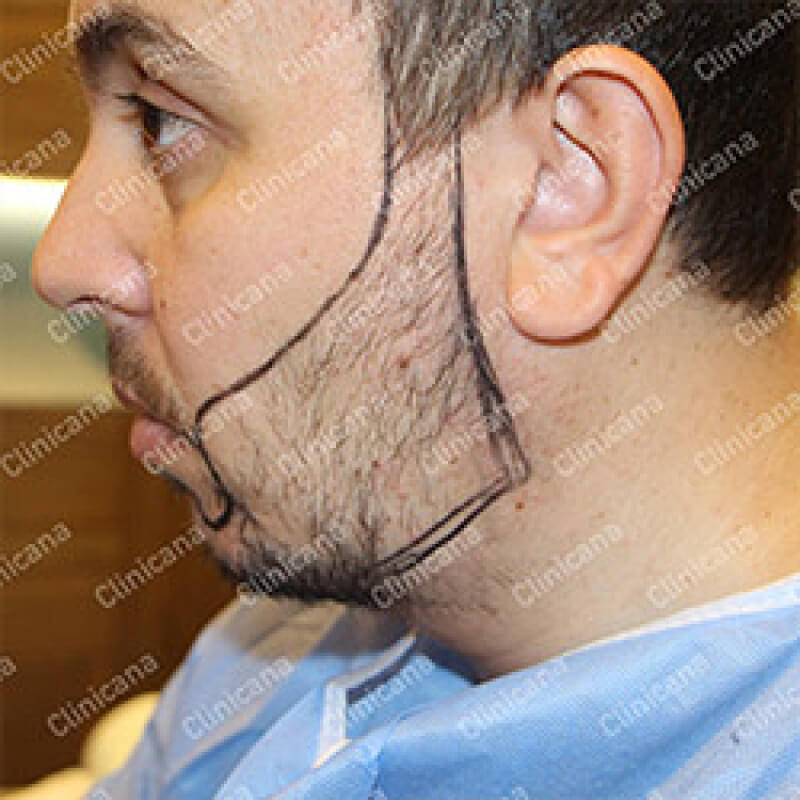
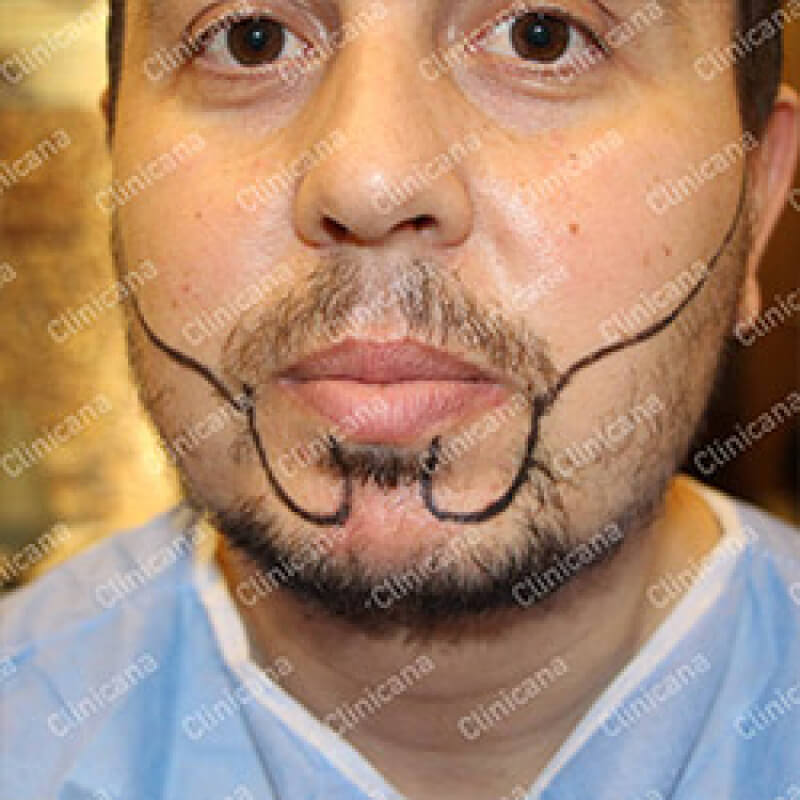
- Designing the beard shape
- In consultation with you, the doctor draws suggested outlines of the beard to suit your facial shape and density goals.
- Once the design is agreed, the team plans how many grafts are needed and from which donor areas they will be taken.
- Local anaesthesia and graft extraction
- After local anaesthesia has taken effect, the medical team starts extracting follicles from the donor area, usually at the back or sides of your head.
- At this step, experience in choosing hairs that closely match natural facial hair is vital, to achieve a consistent beard texture.
- Opening channels in the beard area
- Small channels are then opened in the recipient areas of the beard and moustache, similar to a scalp hair transplant.
- The direction and spacing of these channels are planned to follow your natural hair growth pattern.
- Implanting the follicles
- Finally, hair follicles are implanted into the prepared channels, respecting the planned angles of growth.
- This careful placement helps the new beard and moustache appear normal, dense, and natural.
What results can I expect from a beard transplant?
The goal of a beard and moustache transplant at Clinicana is to achieve results that look realistic and natural from normal speaking distance.
The medical team designs the beard to match your facial features and follows the natural direction of hair growth.
Over time, transplanted hair blends with your existing facial hair, so most people will not be able to distinguish between the original beard and the transplanted areas.
What are the side effects of a beard transplant?
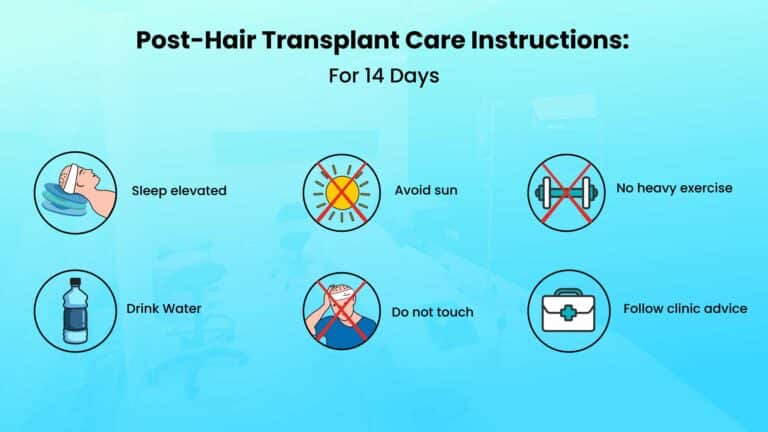
Mild side effects are expected after a beard transplant, as it is a minor surgical procedure. Most of them are temporary and improve within days or weeks:
- Redness and swelling: It is common to notice redness and slight swelling in the facial area for around 3–5 days after the procedure. These symptoms usually settle quickly with proper aftercare as advised by your doctor.
- Eating and jaw movement: During the first two days, it is recommended to eat soft, easy‑to‑chew foods such as soups, liquids, and smoothies. This helps reduce jaw movement and keeps the new grafts more stable.
- Temporary shedding: Transplanted beard hair often falls during the first weeks. This shedding is a normal phase of the hair growth cycle, and new hair typically starts to grow again within 2–3 months.
- Gradual results: Noticeable density usually appears after 4–5 months, while the final, permanent results of the beard transplant are generally seen after about 7–8 months.
When can I shave my beard after the transplant?
Implanted beard hair should not be shaved during the first 10 days after the procedure.
During this early phase, the grafts are still settling into the skin and need to be protected.
From around the second week until about the fifth month, it is safer to trim the beard only with scissors, avoiding direct contact with the skin.
After this period, and once your doctor confirms that healing is complete, you can usually start using a razor or other electric shavers as normal.
What is the cost of a beard and moustache transplant in Turkey?
The cost of a beard and moustache transplant in Turkey depends on several medical and technical factors, including the number of grafts required, the size of the area to be covered, and the characteristics of your donor hair.
Because each patient’s beard pattern and goals are different, prices are calculated individually after a medical evaluation.
At Clinicana, our medical team first assesses your beard and donor areas, designs a suitable beard shape, and then prepares a personalized treatment plan with an estimated cost.
You can contact us or send clear photos of your beard area to receive a free, no‑obligation evaluation and a tailored quote for your beard and moustache transplant in Istanbul.
Beard transplant results at Clinicana Istanbul
Watch the real video review and the before and after pictures to see the great natural look after the final result or what you can achieve with us.
Edited by Clinicana team
Medically reviewed by Prof. Dr Soner Tatlıdede, Hair Transplant Surgeon — 22+ years, ~18,000 procedures.
Last reviewed 15 June 2026
Beard transplant results at Clinicana
Watch the real video review and the before and after pictures to see the great natural look after the final result or what you can achieve with us.