


Triangular alopecia: causes and treatment

Triangular alopecia, also called congenital or temporal triangular alopecia, is a disease characterized by the appearance of a triangular or oval shaped area in the temporal or frontal region of the head (hence its name), where there is a loss of almost total hair, and permanently.
Although it is a benign disorder with no major health consequences, and affects just 1 in 900 people, many people who search on Internet about the hair transplant cost in Turkey do it because they suffer from this type of alopecia and seek a solution, since it causes aesthetic alterations that, when reaching adulthood, maybe a source of concern. So the questions are: what are the causes of this alopecia? Does it have a treatment? Let´s answer all of them.
What is triangular alopecia?
Also known as congenital triangular alopecia because its believed that it´s linked to genes since birth, triangular alopecia is an asymptomatic form of non-scarring alopecia diagnosed by the appearance of an oval or triangular area -less than 4 cm in diameter- where hair loss occur; in triangular alopecia hair becomes thin and scarce, to the point that it can degenerate into an almost total alopecia in the affected area.
It usually appears as an unilateral lesion in frontal area, in parietal area (superior) or in temporal area (lateral) of scalp (if this is the case, we call it triangular temporal alopecia); however, in 20% of cases bilateral lesions are documented. The disease was described for first time in 1905 by the French dermatologist Sabouraud, and affects only 0.11% of population, although it is probably infra-diagnosed; it´s not progressive, and affects only a limited area.

Despite being a congenital hair loss, usually it doesn’t become evident in children until they are 2 or even 6 years old, hence some specialists prefer not to speak of “congenital” triangular alopecia. Besides, some studies have documented rare cases in which it begins in adulthood; so, due to this variability, the term “temporal triangular alopecia” or simply “triangular alopecia” is more accepted.
Due to its benign nature, not much is known about this pathology. It seems to be caused by an atrophy of hair follicles, whose number is normal in the affected area but are underdeveloped (hypoplasia), becoming almost imperceptible. It is believed to be triggered by genetic factors, although cases of family inheritance are rare. Most of those affected have a good health, and only occasionally it appears associated with neurological or skin disorders; but if there is a direct relationship, it’s still unknown.
Does temporal triangular alopecia have a treatment?
It is important to diagnose this type of pathology on time and by a specialist, in order to differentiate it from others similar hair pathologies such as alopecia areata, trichotillomania, scarring alopecia, etc. Due to the fact that its causes are not well known, triangular alopecia does not have a specific treatment, and the use of both minoxidil and topical or intralesional corticosteroids has not proven to be effective.
Therefore, the main treatment used for triangular alopecia is aesthetic and involves performing a hair transplant in the affected area; of course not in childhood, but once patient reaches adulthood and demands an aesthetic solution to the problem. The results obtained through a hair transplantation are very satisfactory, completely eliminating the problem with a simple intervention that only requires local anaesthesia.
If you suffer from triangular alopecia, at Clinicana we are specialists in all treatments and solutions for your hair. We have not just a highly skilled and qualified medical team and the most modern facilities; we also have all the international certifications that guarantee you a 100% safe hair transplant. Read the reviews on hair transplant in Turkey written by our patients, and ask for your free consultation now!



By Prof. Dr. Soner Tatlıdede · June 2026 TL;DR: Why does my head sweat so much? Excessive head sweating (craniofacial hyperhidrosis) affects 3% of the population and occurs when sweat glands are overactive, triggered by stress, heat, certain foods, or medical conditions. Treatment options include proper scalp care, dietary changes, Botox injections, and prescription medications. […]

By Prof. Dr. Soner Tatlıdede • July 2026 Determining the best age for a hair transplant is one of the most frequent questions raised by individuals experiencing progressive hair thinning or androgenetic alopecia. In the medical world, answering this question goes far beyond a patient’s emotional desire to restore density and youthfulness; it relies on a deep […]
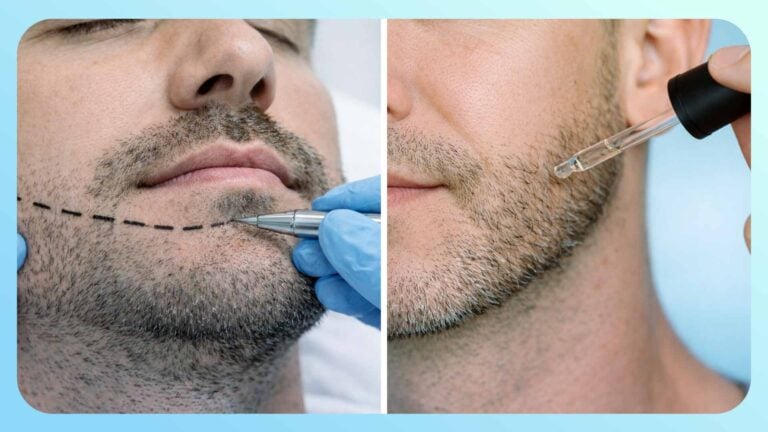
By Prof. Dr. Soner Tatlıdede • July 2026 TL;DR: Beard Transplant vs. Minoxidil comparison shows transplants offer permanent results ($2,500-$3,500 one-time) while Minoxidil requires daily application for 1-2 years with temporary effects. Transplants work on bald areas; Minoxidil only stimulates existing follicles. Transplants provide 90-95% graft survival at Clinicana; Minoxidil success depends entirely on your genetics. A […]


Thank you!
Your details have been successfully submitted. Thanks!