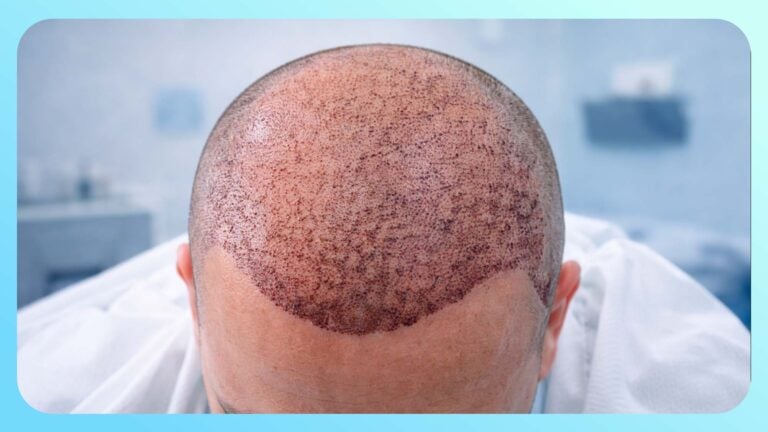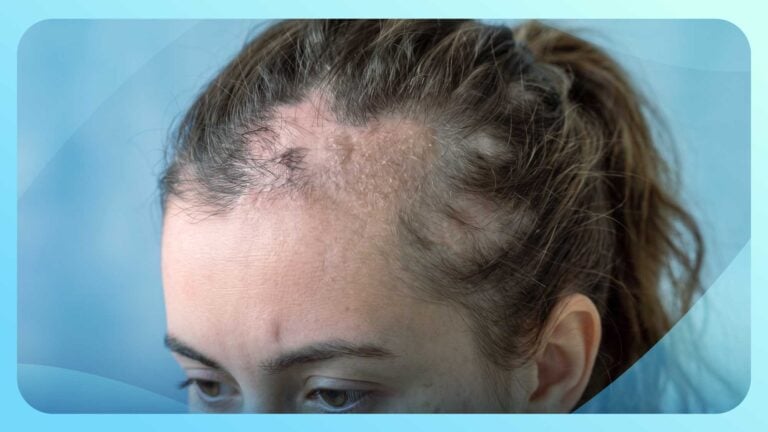





Female & Women’s Hair Transplant
Medically reviewed by Prof. Dr. Soner Tatlıdede, Hair Transplant Surgeon — 22+ years, ~18,000 procedures · 13 June 2026
A specialized female hair transplant in Turkey is often the ideal solution for women experiencing hair thinning or hairline recession.
Unlike general male pattern baldness treatments, women’s hair restoration requires a delicate approach to preserve existing density and ensure natural integration with your hair.
Hair loss and even baldness are not problems limited to men; many women in Istanbul and around the world experience the same issue, usually due to an underlying medical cause.
In some cases, female hair loss triggered by stress, pregnancy, certain medications, or temporary illnesses can improve on its own once the cause is removed.
Gradual thinning, however, is more commonly related to ageing or to genetic patterns that run in the family.
Hair loss in women should never be dismissed as something “normal,” especially when it becomes excessive or starts to affect self‑confidence and quality of life.
In such situations, a woman’s hair transplant in Turkey can offer a long-term solution by restoring lost density and helping patients regain confidence in their appearance.
Causes of female hair loss
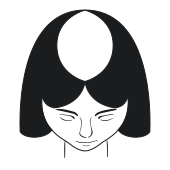
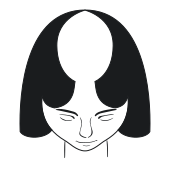
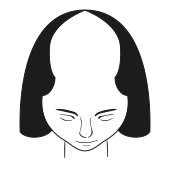
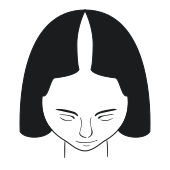
The Ludwig Scale (below) identifies the different types of female hair loss, the main causes of which can be as follows:
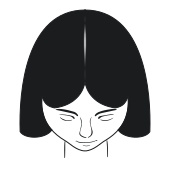



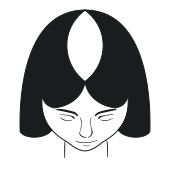
Androgenetic alopecia
This is a hereditary pattern of hair loss that produces diffuse thinning over the central scalp. It is the most common type of female hair loss and affects around 20% of women.
Alopecia areata
Alopecia areata is a recurrent disorder of unknown cause that leads to patchy hair loss on the scalp and sometimes the eyebrows.
In many women, the condition appears suddenly and may recur over time.
Telogen effluvium
Telogen effluvium causes increased shedding of hair across the entire scalp. It can be chronic, but often appears as a temporary reaction to factors such as severe stress, high fever, major dietary deficiencies, or chronic blood loss from heavy menstruation.
Loose anagen syndrome
In loose anagen syndrome, hair sheds before the normal growth cycle is completed.
The hair can be pulled out very easily, even with gentle combing or brushing, which leads to noticeable thinning.
Traction alopecia
Traction alopecia occurs when tight hairstyles, such as braids or cornrows, place continuous tension on the hair.
Over time, this traction can permanently damage the follicles and cause hair loss in the affected areas.
Chemicals
Frequent use of harsh chemicals in hair styling or straightening can gradually damage both the hair shaft and the scalp. Prolonged exposure may lead to breakage, thinning, and eventually permanent hair loss.
Trichotillomania (compulsive hair plucking)
Trichotillomania is a condition in which a person feels compelled to pull out their hair in specific or irregular patterns.
Persistent plucking can result in traction alopecia and long‑term or permanent hair loss.
Scarring alopecia
Scarring alopecia describes hair loss caused by scarring of the scalp.
It often affects the top of the scalp and occurs predominantly in women, especially in those who wear tight braids or cornrows for long periods.
Some postmenopausal women may also develop scarring alopecia due to chronic inflammation of the hair follicles.
Hypothyroidism
An underactive thyroid gland can be associated with diffuse thinning and patchy hair loss.
Treating the hormonal imbalance is essential before considering a female hair transplant in Istanbul or elsewhere.
Pregnancy
Hormonal changes and physical stress during and after pregnancy may trigger temporary hair shedding. In most women, this type of hair loss improves spontaneously once hormone levels stabilise.
Why choose a women’s hair transplant in Turkey?
While Clinicana is renowned for the best hair transplant in Turkey for men, our dedicated female unit offers privacy and specialised care tailored to women’s unique hair patterns.
In some women, hair loss caused by stress, pregnancy, certain medications, or temporary illnesses is only transitional. It improves once the underlying trigger disappears, allowing the hair to grow back naturally.
In other cases, gradual thinning linked to ageing or family genetics may be mild and not require any medical or surgical treatment.
However, many women experience persistent or progressive hair loss due to hormonal disorders, thyroid problems, chronic diseases, or other conditions that significantly affect their appearance and confidence.
In these situations, a professional assessment is essential to identify the cause and choose the most appropriate treatment, which may include medical therapy or a women’s hair transplant in Turkey when the loss is permanent.
For suitable candidates, undergoing a female hair transplant in Istanbul combines experienced hair restoration specialists with modern techniques and competitive package prices.
This makes Turkey one of the best destinations for women seeking a safe, effective, and affordable solution to restore hair density and improve their quality of life.
Female Hair Transplant in Turkey: A Permanent Solution for Hair Loss
For many women with permanent thinning or bald patches, a female hair transplant in Turkey can be the most effective surgical option to restore density and improve the appearance of the scalp.
The procedure has a high success rate when properly indicated, and most suitable patients enjoy natural, long‑lasting results.
However, not every woman is an ideal candidate for surgical hair restoration; factors such as the cause of hair loss, the stability of the condition, and the quality of the donor area must be carefully evaluated.
During your consultation at Clinicana in Istanbul, the medical team will assess your case and explain whether a women’s hair transplant is recommended, or if another treatment would be more appropriate.
If hair transplantation is not the best option for you, our specialists will clearly outline alternative treatments and set realistic expectations about possible outcomes.
The goal is always to offer honest advice and a personalised plan that helps you manage female hair loss safely and effectively.
How is female hair transplant in Turkey performed?
When performing a hair transplant in Turkey for women, Clinicana uses a modern micro‑FUE technique.
This method consists of extracting individual hair follicles from the donor area and transplanting them into the thinning regions with a fine punch; because women usually have finer hair than men, the punch diameter is typically between 0.6 and 0.75 mm to keep scarring minimal and ensure a natural result.
If fewer than 2,000 grafts are needed and the transplant focuses mainly on the frontal hairline, a full shave is not required; in this case, only a narrow band in the donor area between the ears on the upper nape is trimmed.
When more than 2,000 grafts are necessary or the transplant targets the top of the scalp, full shaving may be recommended so the team can work precisely and safely.
Most women who choose a hair transplant in Turkey need to stay in Istanbul for about three days: one day for consultation and preparation, one for the procedure, and one for the first post‑operative check‑up.
Many patients feel well enough to return to desk‑based work after only two days, and can resume normal daily activities soon afterwards, with no visible linear scars and only temporary redness or small crusts.
If you struggle with female hair loss or thinning and are considering a women’s hair transplant in Turkey, Clinicana offers personalised treatment plans in the heart of Istanbul.
In just a short stay, the clinic can help restore hair density and, over the following months, you can enjoy fuller, healthier‑looking hair that enhances your confidence.
Edited by Clinicana team
Medically reviewed by Prof. Dr Soner Tatlıdede, Hair Transplant Surgeon — 22+ years, ~18,000 procedures.
Last reviewed 13 June 2026