


Best Hair Transplant in Turkey
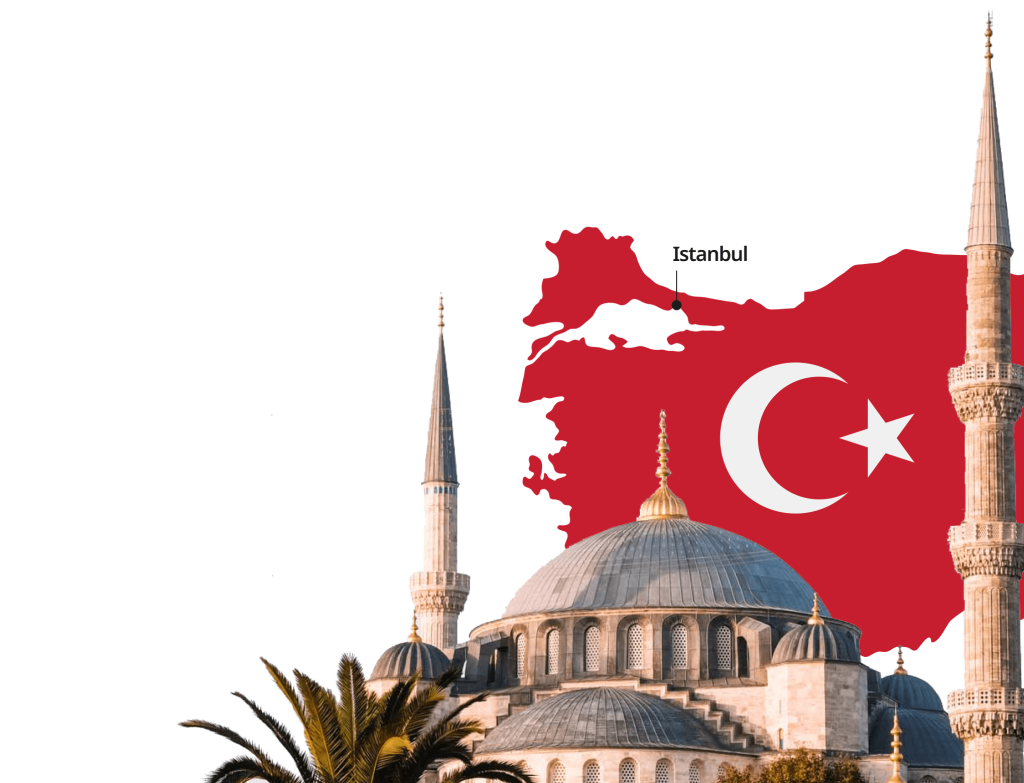


Best Hair Transplant in Turkey
Best Hair Transplant in Turkey: Natural Results & Expert Care
Hair transplant in Turkey is now one of the most popular cosmetic procedures in the world, especially among men suffering from hair loss and baldness.
Turkey has become a global reference for hair transplant surgery, and is often mentioned together with terms like hair transplant Turkey and best hair transplant in Turkey thanks to its advanced medical tourism sector.
According to a report in The Washington Post, Turkey leads the world in the number of hair transplant surgical operations performed each year.
Choosing a hair transplant in Turkey offers patients a permanent solution to hair loss, restoration of a natural-looking hairline, and a significant boost in self-confidence.
This high demand is driven by the large number of experienced doctors, modern clinics in Istanbul, and the use of the latest FUE and DHI hair transplant techniques at competitive prices compared to Europe and the USA.
Clinicana Hair Transplant Center in Istanbul, Turkey has been receiving patients from all over the world for more than 14 years, answering their questions about hair transplant in Turkey and helping them choose the best option for their case.
On this page you will find everything you need to know about hair transplant Turkey: who is a good candidate, the cost of a hair transplant in Turkey, the best hair transplant clinic in Turkey, and what to expect before and after the operation.
Am I a Good Candidate?
What is the best starting treatment or should I undergo a hair transplant?
Choosing the right starting treatment is the first step before deciding on a hair transplant in Turkey, because a correct diagnosis leads to the most effective and safest result.
A qualified hair transplant doctor must carefully assess your hair loss, overall health, and any pre‑existing medical conditions before recommending surgery.
In many cases, hair transplant surgery is not the preferred first option, and medical treatments or other hair loss therapies may offer very good results, sometimes even better than immediate hair transplantation.
An expert doctor should provide an objective and realistic evaluation of your case to decide whether you need a hair transplant in Turkey now, or if you should begin with non‑surgical treatments.
Several factors are considered before making the final decision, including your age, the pattern of genetic hair loss, and the size of the thinning or bald areas.
If you do not yet have large empty bald patches, it is usually recommended to start with medications to strengthen the existing hair and slow down hair loss, and to delay the hair transplant until hair loss stabilises in order to avoid shock loss and achieve more natural results.
What is the best time to perform a hair transplant in Turkey?
Although a hair transplant is considered a relatively simple procedure, its results are very important and can have a strong impact on a person’s life and self‑confidence.
Therefore, choosing the best time to perform a hair transplant in Turkey should always be decided together with an experienced hair transplant doctor, after a full medical evaluation.
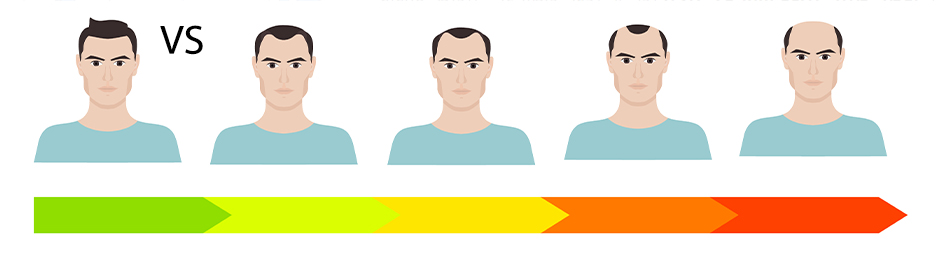
Determining the right moment for a hair transplant in Istanbul depends on several key factors:
- Client’s conClient’s condition and agedition and age:
- Hair loss usually starts in the twenties and may continue gradually until it stabilises around the age of forty, often ending with partial or total baldness.
- When hair loss begins at a very young age, it can seriously affect confidence and social life, but doctors generally advise against having a hair transplant too early, because continued hair loss after surgery can create an unnatural look where transplanted areas appear as “islands” inside new bald zones.
- In addition, when choosing the appropriate time for a hair transplant, the patient’s medical status, psychological condition, readiness for surgery, and the presence of any diseases that could affect healing or the final result must all be evaluated.
- Percentage of bald areas
- The size and clarity of bald or thinning areas is one of the main factors in deciding when to proceed with a hair transplant.
- If there are not yet sufficiently empty areas, surgery is usually not recommended and medical treatments to slow down hair loss are preferred initially.
- Genetic history and pattern of baldness
- Most hair loss cases are related to genetic factors, so the pattern and degree of baldness in close relatives can help predict the final stage of hair loss in the patient.
- By understanding how and when hair loss is likely to stabilise, the doctor can determine the most suitable time to perform the procedure.
- Expected success rate and coverage
- The success of hair transplant surgery and the quality of coverage depend on the strength of the donor hair bank and how many follicles can be safely used.
- An expert doctor evaluates the donor area and plans the operation to achieve natural density and long‑term results at the right time.
Choosing the best hair transplant clinic in Turkey
Choosing the best hair transplant clinic in Turkey is one of the most important decisions a patient will make, because it directly affects safety, results, and overall experience.
A high‑quality hair transplant in Istanbul should always be performed in a fully equipped medical hospital or clinic that follows strict standards of hygiene and has the proper licenses from the Turkish Ministry of Health.

What should the best hair transplant clinic in Turkey offer?
- The hair transplant procedure must be carried out in a hospital or clinic equipped with modern medical instruments, strict sterility and hygiene protocols, and all necessary emergency facilities.
The clinic should employ qualified doctors and nurses who are legally licensed to practise, ensuring that even though hair transplant is a relatively simple procedure, it is performed under full medical supervision to avoid complications or errors. - The best hair transplant clinic in Turkey should have a convenient location near vital facilities and tourist areas, and be well connected to public transport such as metro and trams, making it easy for international patients to move between hotel and hospital.
A good location also allows patients to explore Istanbul’s historic sights comfortably during their stay for a hair transplant in Istanbul. - A trusted hair transplant center in Istanbul must be known for professional honesty, especially in how it presents before‑and‑after hair transplant results.
Photos and videos should not be manipulated, must be used only with patients’ approval, and should clearly show real results after hair growth, giving patients confidence in the quality of medical care. - To check the true level of medical care in the best hair transplant clinic in Istanbul, patients should review feedback and evaluations on neutral platforms that are not controlled by the clinic itself.
Opinions on YouTube, social media, independent review sites, or direct contact with previous patients provide transparent information about the clinic’s results, professionalism, and patient experience.
How do I choose the best hair transplant doctor in Turkey?

The high demand for hair transplant in Turkey has helped many doctors and medical teams gain strong experience in this field, but patients still need clear criteria to choose the best hair transplant doctor in Turkey.
Selecting the right specialist has a direct impact on safety, natural results, and overall satisfaction with the procedure.
Main criteria for the best hair transplant doctor in Turkey
- Official licence and legal practice
- The best hair transplant doctor in Turkey must hold a valid licence from the Turkish Ministry of Health and work in a legally authorised clinic or hospital.
- This ensures compliance with national medical standards and gives the doctor credibility and the patient greater trust in the treatment
- Experience and number of operations
- A doctor’s real experience is measured by the number of years working specifically in hair transplant, and by the total number of successful operations performed.
- Experienced doctors also carefully follow up the results of their surgeries and compare them with patient satisfaction to continuously improve their techniques.
- Patient feedback and satisfaction
- When evaluating the best doctor of hair transplant in Turkey, it is essential to consider reviews and opinions of previous patients who already had the procedure. Their satisfaction with the density, hairline design, and post‑operative care is a strong indicator of the doctor’s skill and reliability.
- Keeping up with latest techniques
- The best hair transplant doctors stay updated with the latest developments in hair transplant techniques, treatments, and medications, such as advanced FUE, DHI, and supportive therapies.
- They must be able to apply modern scientific advances in their daily practice, which is reflected in higher quality medical services and more natural, long‑lasting results.
Why is there a difference in costs between hair transplant centers in Turkey?
Turkey is one of the leading countries in the world for hair transplant surgery, with average hair transplant cost in Turkey typically between about $1,700 and $2,000, while similar procedures in the United States or the UK can reach around $25,000.
However, when looking at different hair transplant offers in Turkey, you often see a wide range of prices, and some clinics advertise packages that are even cheaper than the cost of travel and accommodation itself.
Very low prices usually mean that something important is being sacrificed, such as medical quality, proper supervision by qualified doctors, or adequate post‑operative care.
- To obtain excellent and natural hair transplant results, high medical standards, experienced surgeons, and a properly equipped hospital environment are essential, and without these standards the risk of complications and unsatisfactory results increases significantly.
- A failed hair transplant can put the patient in a very difficult situation, because the donor area (hair bank) has a limited number of follicles, usually no more than about 8,000 grafts over a lifetime.
- When many grafts are wasted in a poor‑quality operation, there may not be enough follicles left to repair the damage, making it hard or impossible to correct the result in future procedures.
- For this reason, patients should think carefully before choosing a clinic based mainly on low prices, and should always prioritise medical quality, safety, and proven results over aggressive discounts.
- A hair transplant procedure is generally a once‑in‑a‑lifetime operation whose results stay with you for the rest of your life, so it is wiser to choose a reputable hair transplant center in Turkey that offers reasonable pricing with high quality, rather than the cheapest option with a high risk of failure.
How do I receive the maximum number of follicles?
To understand how to receive the maximum number of follicles in a hair transplant in Turkey, it is important to remember that grafts are extracted from a limited donor area (hair bank) and implanted into bald or thinning zones to create new permanent hair growth.
This donor area has a finite capacity that varies from one person to another, and in most cases only about 4,000–8,000 follicles can be safely extracted over a lifetime without causing scars or visible gaps.
Main factors that determine how many follicles you can get
- Size and density of the hair bank: The more abundant and dense the hair in the donor area, the higher the number of grafts that can be collected without damaging the donor region.
- Ease of root extraction: Some donor areas allow easier extraction of follicles, which helps increase the usable graft count while keeping the tissue healthy.
- Skin tissue characteristics: The structure and elasticity of the scalp can make extraction easier or more difficult, influencing how many grafts can be removed safely.
- Shape of the follicles: Hair follicles are usually straight, but in some people they may be curved or “wrinkled”, which makes them harder to extract and reduces the total number that can be harvested.
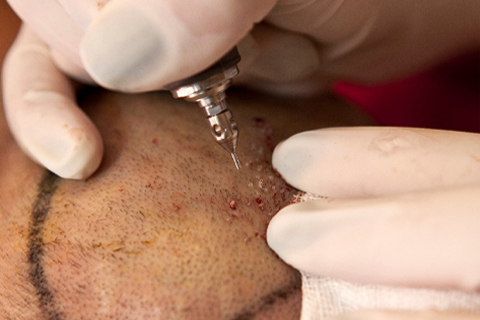
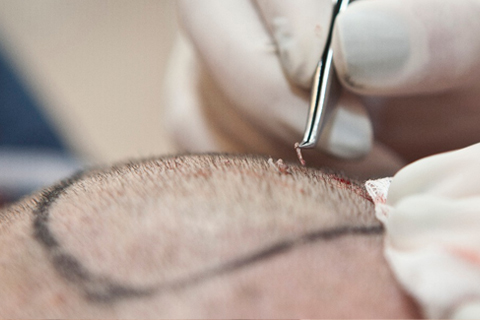
Plastic surgery specialists usually recommend dividing large hair transplant plans into two sessions: one main transplant and, if needed, a second intensification session after about one year.
Trying to implant an excessively large number of follicles in a single session can cause shock loss and increase the risk that many grafts will not survive.
Over‑harvesting from the donor area can permanently damage it and create empty spaces, so the number of extracted follicles must be carefully planned and not exaggerated just to match attractive marketing promises.
The safest way to maximise the number of follicles is to receive a thorough, objective evaluation by a skilled hair transplant doctor in Turkey and to ignore promotional adverts that promise unrealistically high graft counts.
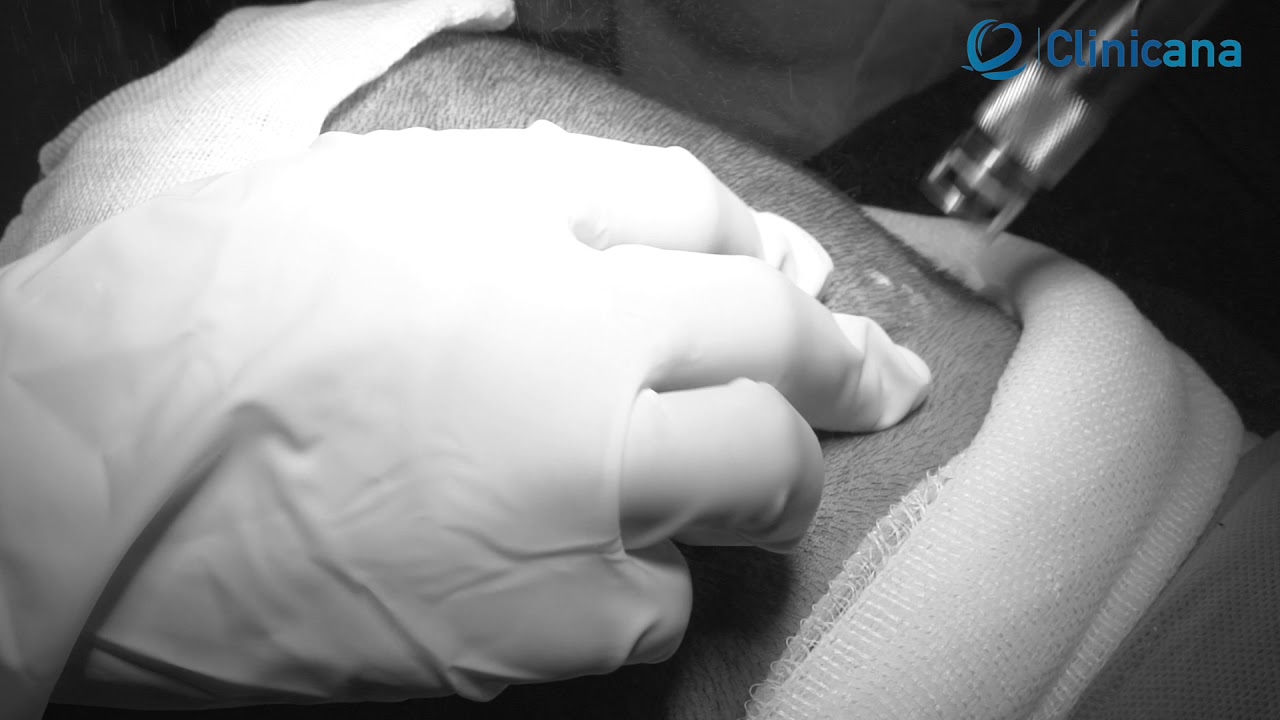

What is the best technique for my situation?
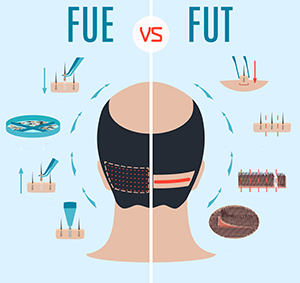
- All modern hair transplant techniques in Turkey are essentially based on the same principle:
- FUE micro‑extraction of follicles from the donor area and implantation into bald or thinning zones.
- The main difference between methods lies in the tools used for opening the channels and placing the grafts, which are chosen according to the patient’s medical condition and hair characteristics.
- The Choi pen method, also known as DHI hair transplant, is basically an FUE hair transplant in which Choi implanter pens are used to insert the extracted follicles directly into the scalp, so it is not a completely new technique but a variation in the implantation step.
- Similarly, the Sapphire technique is an FUE hair transplant where a sapphire blade is used to open the micro‑channels instead of a metal blade, helping with precision and density but still following the same FUE principles.
- Because there is no single technique suitable for every case of baldness, the best method for your situation should always be decided after an individual assessment by experienced medical staff.
- A qualified hair transplant doctor in Turkey will evaluate your pattern of hair loss, donor area, hair type, and expectations to choose between classic FUE, Sapphire FUE, DHI with Choi pens, or a combination, and will protect you from marketing claims or unnecessary procedures that do not truly benefit your case.
Sapphire hair transplant in Turkey
The Sapphire method is not a completely new technique, but rather an advanced variation of FUE hair transplant where the channels are opened using a sapphire blade instead of a traditional metal one.
In this approach, the metal tip of the micromotor tool is replaced with a sapphire stone head made from aluminum oxide combined with metals like chrome, iron, and titanium, which provides superior precision and smoothness.

This Sapphire FUE technique allows for a denser hair transplant because it creates smaller, more precise openings that perfectly match the size of individual follicles.
Patients also benefit from faster recovery – typically within 10 days – due to the minimal trauma from these micro-channels.
In essence, Sapphire hair transplant in Turkey is standard FUE with an improved channel-opening stage that enhances density and healing speed.
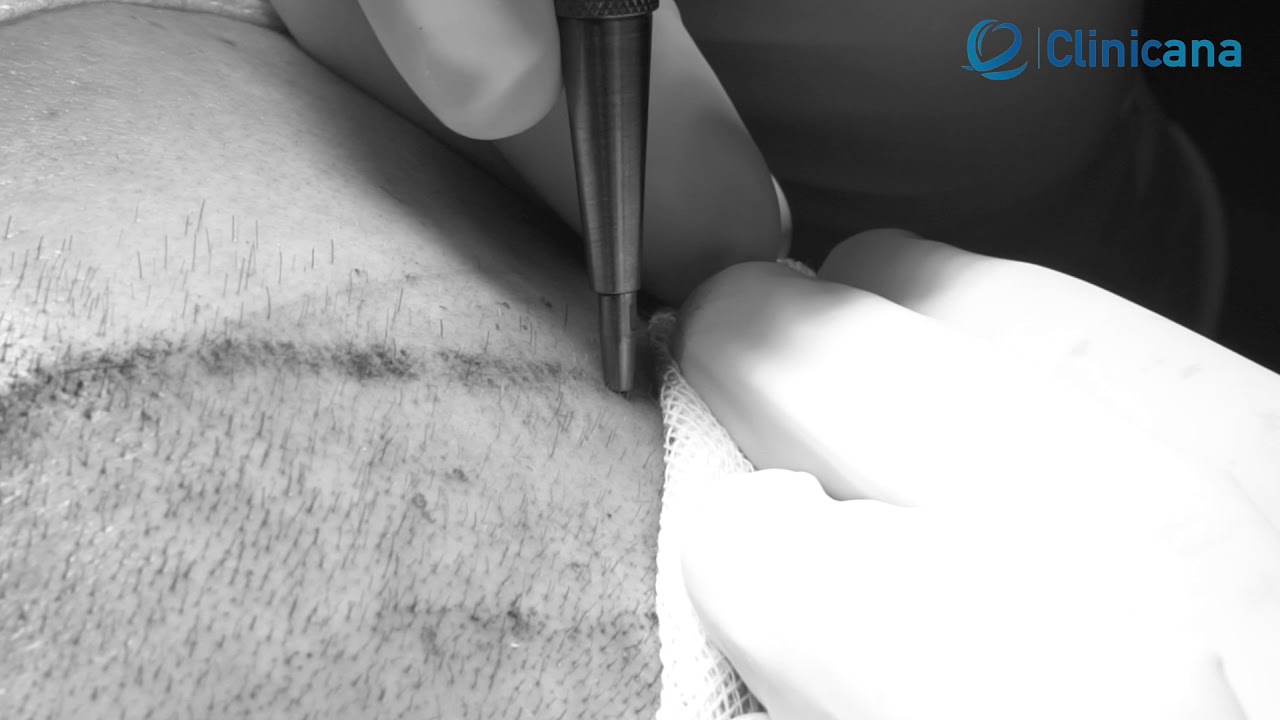
The PERKUTAN technique
Opening micro-channels is one of the most critical stages in a hair transplant procedure, requiring precision and experience to match the natural direction of hair growth for the most realistic appearance.
Current methods for opening micro-channels in hair transplant:
- Perkutan technology: Uses a thin needle-like tool to create channels without leaving visible scars, ideal for natural-looking results.
- Sapphire technique: Employs a sapphire stone blade for higher density planting and smoother healing.
- Choi pens (DHI): Combines channel opening and follicle implantation in one step using Choi implanter pens.
The best method for channel opening is determined after examining the patient’s specific case to achieve maximum density and the most natural hair appearance, as each hair loss pattern requires a tailored approach.
Choi pens (DHI)
Choi pens hair transplant, also known as DHI (Direct Hair Implantation), is not a brand new technique – it has been available for about 8 years but has gained significant popularity recently through heavy marketing.
The core principle of this method is to combine channel opening and follicle implantation into one efficient step: extracted grafts are loaded into Choi implanter pens and injected directly into the scalp, eliminating the need for pre-made channels.
Best cases for Choi pens hair transplant:
- Suitable for limited graft numbers (1,500–2,000 follicles), such as hairline restoration or intensification without full head shaving.
- Popular for no-shave hair transplants, which is especially preferred by women undergoing hair transplant procedures.
However, Choi pens are suitable only for specific cases, not all hair loss patterns. An experienced hair transplant doctor must evaluate whether this method fits your donor area, hair characteristics, and goals, rather than following marketing claims that promote it as a universal solution for every situation.
Laser hair transplant in Turkey
Many people hear about “laser hair transplant” in Turkey, but in reality there is no true hair transplant procedure that uses laser to implant new follicles.
Instead, there is a laser hair loss treatment technique that uses low‑level laser light to stimulate the scalp and improve blood circulation in the capillaries.
This type of laser therapy can be helpful when hair follicles are weak but still alive, supporting hair growth and slowing further loss.
However, if the follicles are already dead and the area is completely bald, laser treatment will not be effective and cannot replace a standard hair transplant in Turkey.
Hair transplant using stem cells (current status)
Stem cell therapy is one of the most promising areas in medical research, particularly for hair restoration, where undifferentiated stem cells can potentially develop into new hair follicles at the treatment site.
The principle involves using these versatile cells to regenerate follicles in bald areas, offering hope for a future without traditional donor grafts.
However, stem cell hair transplant remains largely experimental and is still being studied in laboratories, requiring several more years before it becomes widely available and proven effective.
It is also currently very expensive and not yet a practical alternative to established FUE or DHI techniques used in Turkey.
In 2017, the FDA issued a warning about unproven stem cell treatments, recommending that patients only consider FDA-approved therapies or those involved in legitimate clinical research.
For now, patients seeking reliable hair transplant results should stick to proven methods rather than experimental stem cell options.
How much do hair transplants cost in Turkey?
The cost of hair transplants in Turkey typically ranges from $1,500 to $2,500, making it extremely affordable compared to other countries – for example, a similar procedure in the USA can cost up to $30,000.
This pricing is equivalent to about 8,000–13,500 Turkish Lira, 5,600–9,300 Saudi Riyals, 5,500–9,000 Qatari Riyals, or 450–750 Kuwaiti Dinars, offering excellent value when compared to Europe or North America.
Importantly, the cost of a hair transplant in Turkey usually includes a comprehensive all-inclusive package with these services:
- The hair transplant operation performed with the latest technology (FUE, Sapphire, DHI) under supervision of highly experienced medical staff.
- Transportation to and from the airport, clinic, and hotel for complete convenience.
- Luxury hotel stay for one night in central Istanbul.
- Medical bag containing all necessary post-operative medications and care products.
- Medical follow-up after the hair transplant procedure to ensure optimal healing and results.

Head hair transplant and main techniques
Head hair transplant in Turkey is considered the final and most effective solution for hair loss, because the implanted hair is real, grows like your natural hair, and can be cut and styled normally.
Hair transplant techniques have evolved dramatically over the last decades, moving from older methods that left visible scars to modern minimally invasive procedures with faster recovery and more natural results.
In the past, the FUT strip method was the dominant option for treating baldness, but it often left a linear scar on the scalp.
With scientific and technological progress, the FUE micro‑extraction technique appeared as a major breakthrough, eliminating the main drawbacks of FUT by avoiding large incisions, reducing recovery time, and providing excellent, natural‑looking outcomes.
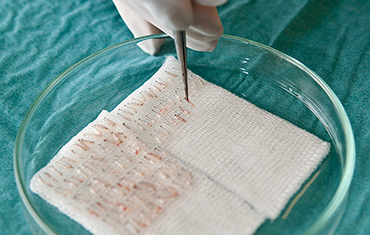
Main stages of head hair transplant (FUE)
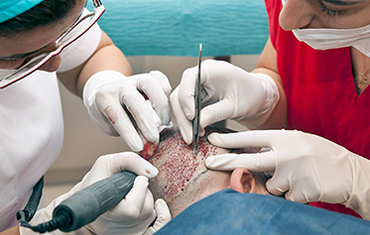
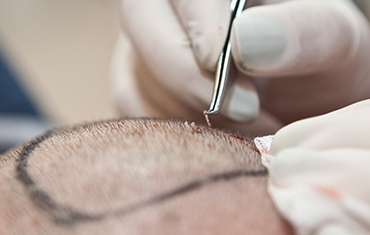
- Extracting the grafts:
In this first stage, hair follicles are extracted individually from the donor area, which is resistant to the hormone causing hair loss (dihydrotestosterone), using a micromotor tool – this is known as the FUE micro‑extraction method.
These grafts are then prepared to be implanted in the bald or thinning areas. - Opening the channels:
This is one of the most important steps in a hair transplant, because it requires high precision to determine the correct angle, depth, and distribution of each channel to achieve a natural hairline and density.- Perkutan technique: Channels are opened with a very fine, needle‑like tool that does not leave visible scars or cracks, unlike older methods that used metal blades.
- Sapphire technique: Uses a sapphire stone blade instead of a metal tip, allowing for higher density and typically a shorter recovery period of around 10 days.
- Planting the grafts:
In the final stage, the prepared follicles are carefully implanted into the opened channels, often using implanter pens, so that each graft can settle and later grow into new, permanent hair. Proper placement at the right angle and density is essential to achieve a natural result.
Beard and mustache transplant in Turkey
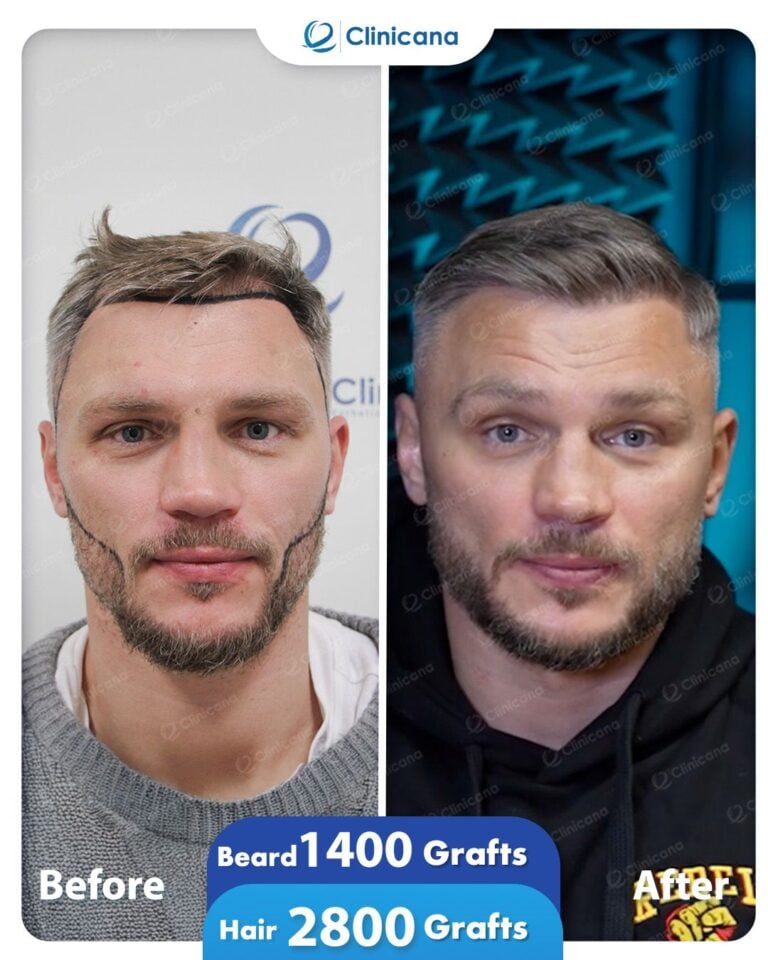
Beards are strongly associated with masculinity, style, and in many cultures religious identity, so men with patchy beards or no facial hair at all often choose a beard and mustache transplant in Turkey to achieve a fuller, more defined look.
This procedure offers a permanent solution for genetic gaps, scars, or uneven growth in the beard area.
The stages of a beard transplant are very similar to a head hair transplant: follicles are first extracted from the donor area (usually the back of the scalp), then micro‑channels are opened in the chin and jawline, and finally the grafts are implanted to recreate a natural beard pattern.
The design of the beard line and density is customised for each patient to match facial features and personal preference.
Approximate graft requirements for chin and beard transplants are as follows:
- If the beard area is completely empty: about 4,000–5,000 follicles are usually required.
- For general beard density improvement: around 3,500 follicles may be needed.
- To fill limited gaps or small empty spots: typically 1,000–2,000 follicles are sufficient.
Eyebrow transplant in Turkey
Eyebrows are a key feature of facial beauty, so problems like low density, thinning, or visible gaps can create an unbalanced or tired appearance.
In such cases, an eyebrow hair transplant in Turkey offers a permanent solution, whether the cause is genetic, over‑plucking, accidents, injuries, or burns.
During an eyebrow transplant, fine hair follicles are usually taken from the donor area and implanted one by one following the natural direction and angle of eyebrow growth to achieve a soft, natural look.
The number of follicles needed to reach the desired shape and fullness varies by person, but in general about 50–400 grafts per eyebrow are typically required.
Female hair transplant in Turkey
Hair is a central part of women’s beauty and identity, so hair loss in women often causes significant psychological distress and loss of confidence.
Causes of female hair loss are varied and may include genetic factors, hormonal imbalances, stress, nutritional issues, or medical conditions, leading to diffuse thinning or clearly visible bald patches on the scalp.
Female hair transplant in Turkey can be an effective solution for many women who do not respond adequately to medications or non‑surgical treatments.
When fewer than about 2,000 grafts are needed and the work is focused mainly on the frontal hairline, the procedure can often be done without completely shaving the head, which is an important advantage for many female patients.
For general density improvement, techniques such as DHI with Choi pens may be used to add grafts between existing hairs without full shaving, helping to maintain the woman’s appearance during the recovery period.
However, not every case of female hair loss is suitable for transplant; a specialised doctor must first evaluate the pattern of hair loss, donor area quality, and underlying cause before deciding whether a female hair transplant is the right option.
How do I guarantee the success rate of hair transplant in Turkey?
To achieve the best possible hair transplant result in Turkey and restore both your hair and confidence, you need to follow specific steps before, during, and after the procedure.
Success depends on choosing the right clinic and doctor, proper medical planning, and strict commitment to post‑operative care.
- Before the operation (pre‑operation)
- Choose the best hair transplant clinic in Turkey by researching carefully, checking real patient experiences, and reviewing independent opinions from people who already had successful hair transplants.
- Make sure you receive a realistic and accurate assessment of your case; the medical team should clearly explain what is achievable and avoid false promises or exaggerated expectations.
- Prefer a hospital or clinic with experienced medical staff specialised in hair transplant, because their skill is a cornerstone of a successful outcome.
- During the operation
- Ensure the procedure is performed in a well‑equipped centre that uses modern technology and adheres to strict medical standards, with an expert team supervising every step.
- A detailed pre‑operative examination in the clinic is essential to evaluate the donor and recipient areas, define the hairline design, review your medical history, and explain each stage of the operation.
- Clear communication with the doctor about coverage goals and hairline shape helps align expectations and supports a more satisfying final result.
- After the operation (post‑operation)
- The true success of a hair transplant is determined in the months after surgery, so strictly following medical instructions is crucial.
- Patients are usually advised to avoid smoking and alcohol for at least a week after the procedure, as they can negatively affect healing and graft survival.
- Take all prescribed medications as directed to prevent infection and reduce inflammation, and never start other treatments or medicines without consulting your doctor.
- Send regular follow‑up photos (for example, every month) so the medical team can monitor your progress, answer questions, and intervene early if any issue appears.
Avoid deception before and after hair transplant
Many hair transplant centers may edit or enhance patient photos using Photoshop to make the hair transplant results look better than they really are, in order to attract more customers.
For this reason, it is essential to be cautious and always verify that the results you see are genuine and not manipulated.
To avoid deception, you should actively search for patient evaluations and feedback on neutral platforms that are not controlled by the clinic, such as independent review sites or social media.
Watching unbiased videos and listening to real patients’ opinions will help you confirm that the clinic’s results are authentic and that you are not being misled by edited images.
Factors that help to choose the place of a hair transplant
When searching for the best hair transplant center in Istanbul, patients should focus on clear standards that guarantee safety, quality, and long‑term satisfaction, not just low prices.
A good clinic should offer a secure environment, strong medical credentials, and transparent information about its results.
Key factors to consider include:
- Location and safety: The hospital or clinic should be in a safe, well‑secured area to protect patients during their stay in Istanbul.
- Reputation and reviews: Check the hospital’s reputation through client testimonials on its website and, more importantly, through independent comments on social media and review platforms, which give a realistic picture of performance.
- Experience of doctor and staff: Successful hair transplant results depend heavily on the skill and experience of the surgeon and medical team, often more than on the specific technique used.
- Quality over cheap prices: Because a hair transplant is usually a once‑in‑a‑lifetime procedure, choosing a very cheap, low‑quality clinic can lead to medical errors and irreversible damage, so quality of care should always come before price.
Videos and photos
Privacy and respect for patient confidentiality are fundamental principles in medical practice, especially in cosmetic and hair transplant procedures.
At Clinicana Hair Transplant Center in Istanbul, all patient files, photos, and video recordings are treated as strictly confidential and are never shared without explicit consent.
Any photos or videos published on the website, social media, or other platforms are only used after patients have given prior written approval.
This ensures that real before‑and‑after hair transplant results can be shown while fully protecting each patient’s privacy and personal rights.
Prices of hair transplant centers and hospitals in Istanbul, Turkey
The average cost of a hair transplant in Istanbul, Turkey is around $2,000, although prices can vary significantly from one clinic to another.
Some centers advertise offers at less than half this amount, but such low prices are frequently linked to reduced medical quality, limited doctor involvement, or hidden compromises in care.
When deciding where to have a hair transplant in Istanbul, the priority should always be the quality of medical service rather than the cheapest offer.
Certain clinics may attract patients with very low initial prices and later force them to buy additional products or services that end up costing as much as the hair transplant itself, so it is important to evaluate the full package and the clinic’s reputation before choosing.
Keep up with updates and developments regarding hair transplants
Medical science is advancing rapidly, and hair transplant is one of the fields that constantly benefits from new technologies, tools, and research.
For this reason, the best hair transplant hospital in Turkey and the best hair transplant doctor in Turkey must stay up to date with the latest medical and scientific developments to continually improve patient results.
At present, the primary technique used worldwide for hair transplant is still FUE extraction, with refinements such as Sapphire blades, Perkutan channels, and DHI with Choi pens focusing mainly on improving tools rather than changing the core method.
Ongoing research, especially into stem cell–based hair regeneration, may offer more radical solutions for hair loss in the future, but most of these approaches are still experimental and not yet part of standard clinical practice.
Do I need an intensification session in the future?
The number of hair transplant sessions you need in Turkey depends mainly on two factors: the total size of the bald areas that require coverage and the strength of your donor hair bank (its area, density, and how many follicles can be safely taken without leaving visible gaps).
If the donor area contains enough follicles to cover all bald zones with acceptable density, one well‑planned session is usually sufficient.
How many sessions do I need and why not in one session?
When the bald area is very large compared to the available donor follicles, it is often necessary to divide the hair transplant into two sessions.
In the first session, the focus is usually on creating a dense, natural front hairline and mid‑scalp coverage, and after about one year a second “intensification session” can be performed to improve density or cover remaining areas.
Attempting to implant too many grafts at once can over‑stress the donor area and the recipient skin, increasing the risk of poor growth and unnatural results.
Planning one or two sessions based on donor capacity and baldness extent allows the doctor to achieve a more natural density while preserving the long‑term health of the donor area.
Do I need constant treatments after a hair transplant in Turkey?
The success of a hair transplant in Turkey cannot be judged immediately after the surgery; the following months are crucial for proper healing and strong growth of the implanted follicles.
During this period, correct medical care and lifestyle habits play an important role in achieving the desired final result.
In the first phase after the operation, no medication should be taken without consulting the doctor who performed the hair transplant.
Some dietary supplements and vitamins can support hair health, but they are not strictly necessary if you already follow a balanced diet rich in meat, vegetables, fruits, dairy products, and other foods containing essential vitamins and minerals.
Nuts and grains such as almonds and walnuts are particularly useful because they contain biotin, which is involved in the structure and strength of hair.
As for medical hair loss treatments like Minoxidil or Finasteride, you should always consult your doctor before starting them, and topical Minoxidil sprays are usually avoided in the very early postoperative period, as they may increase the risk of bleeding or damage to newly implanted grafts.
How long should I stay in Istanbul for a hair transplant?
For most patients, the required stay in Istanbul for a hair transplant is about two to three days.
A typical schedule is: arrival on day one for airport pickup, hotel check‑in, and pre‑operative blood tests and consultation; hair transplant surgery on day two; and a final check‑up with bandage removal on day three before flying back home.
Will density of implanted hair be similar to natural hair?
The final density of implanted hair depends mainly on the extent of hair loss and the size of the bald areas.
When the empty zones are relatively small, it is often possible to achieve density that looks very similar to the original natural hair in those regions.
In cases of extensive baldness, especially when a patient is almost completely bald, it is not realistic to reach the same density as untouched natural hair for two main reasons.
First, the donor hair bank is limited and may not contain enough grafts to fully recreate high density everywhere; second, current hair transplant technology cannot safely implant follicles at the same natural density of about 200–300 hairs per cm² across large areas.
Most common questions about hair transplant in Turkey – FAQ
Hair loss treatment or hair transplant: which is better in my case?
Medical treatments (like anti‑hair‑loss drugs or PRP) are usually tried first when hair follicles are still alive and hair loss is not advanced.
Hair transplant in Turkey becomes the better option when there are clear bald areas or when medications no longer give satisfactory improvement.
What is the cost of a hair transplant in Turkey?
Most hair transplants in Turkey cost roughly 1,500–2,500 USD, often including surgery, transfers, hotel, medications, and follow‑up in an all‑inclusive package.
This is significantly lower than prices in the USA or Western Europe for similar procedures.
What is the best age for a hair transplant?
Hair loss often starts in the twenties and stabilises around forty, so many doctors prefer to wait until the pattern is more predictable before doing a transplant.
Very young patients with active hair loss are usually advised to start with medical treatment and delay surgery to avoid unnatural “islands” of transplanted hair.
What is the success rate of hair transplant in Turkey?
In reputable clinics with experienced surgeons using modern FUE or DHI techniques, graft survival rates commonly reach 90–95% or more.
Success also depends on proper patient selection, a strong donor area, and strict adherence to post‑operative instructions.
How long does a hair transplant take in Istanbul?
Most FUE or DHI hair transplant operations in Istanbul last between 6 and 8 hours, depending on the number of grafts.
Patients usually stay in the city for about 2–3 days to complete pre‑op tests, surgery, and the first post‑op check‑up.
How is a beard transplant in Turkey performed?
Beard transplant in Turkey uses FUE to extract follicles from the donor area (usually the back of the scalp) and implant them into the beard and mustache zones.
The doctor designs the beard shape, opens micro‑channels in the chin and jawline, then places grafts one by one to achieve natural density.
How does eyebrow hair transplant in Turkey work?
During eyebrow transplant, very fine grafts are taken from the donor area and implanted following the natural direction and angle of eyebrow hair.
Typically about 50–400 follicles per eyebrow are used to restore density and shape after genetic thinning, over‑plucking, or injuries.
Is there a special female hair transplant in Turkey?
Yes, female hair transplant in Turkey focuses on diffuse thinning or female‑pattern hair loss, often without full head shaving when fewer than about 2,000 grafts are needed.
Techniques like DHI with Choi pens can add density between existing hairs while preserving the woman’s appearance during recovery.
How can I get the maximum number of follicles from my donor area?
The total safe lifetime yield from the donor area is usually around 4,000–8,000 grafts, depending on density, skin characteristics, and follicle shape.
A skilled surgeon plans extraction carefully, avoids over‑harvesting, and may split the work into two sessions to protect the donor area and maximise usable grafts.
Will the density of implanted hair look natural?
In small or medium bald areas, it is often possible to reach a density that looks very close to natural hair.
In cases of extensive baldness, limited donor supply and technical limits (below natural 200–300 hairs/cm²) mean the goal is natural coverage and appearance rather than original full density.
Is Sapphire or DHI better for my case?
Sapphire FUE and DHI (Choi pens) are both refinements of FUE; Sapphire uses sapphire blades for dense, precise channels, while DHI implants grafts directly with implanter pens.
The best option depends on your hair type, donor density, and treatment area, and should be decided by an experienced hair transplant doctor after examination.
Is there really such a thing as laser hair transplant?
There is no true “laser hair transplant”; lasers do not implant new follicles.
What exists is low‑level laser therapy that may stimulate weak but living follicles, which can support hair growth but cannot replace FUE or DHI when follicles are dead.
Are stem cell hair transplants available in Turkey now?
Stem cell–based hair regeneration is still largely experimental and mostly limited to research settings.
Traditional FUE and DHI remain the standard clinical techniques in Turkey, while stem cell approaches are being studied for potential future use.
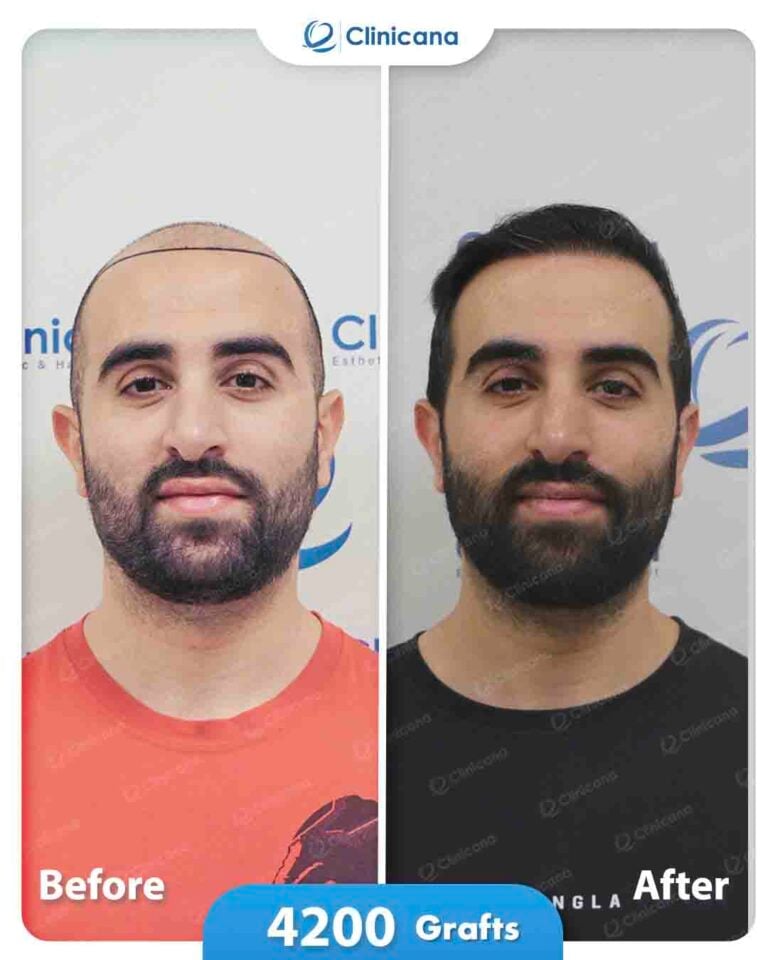
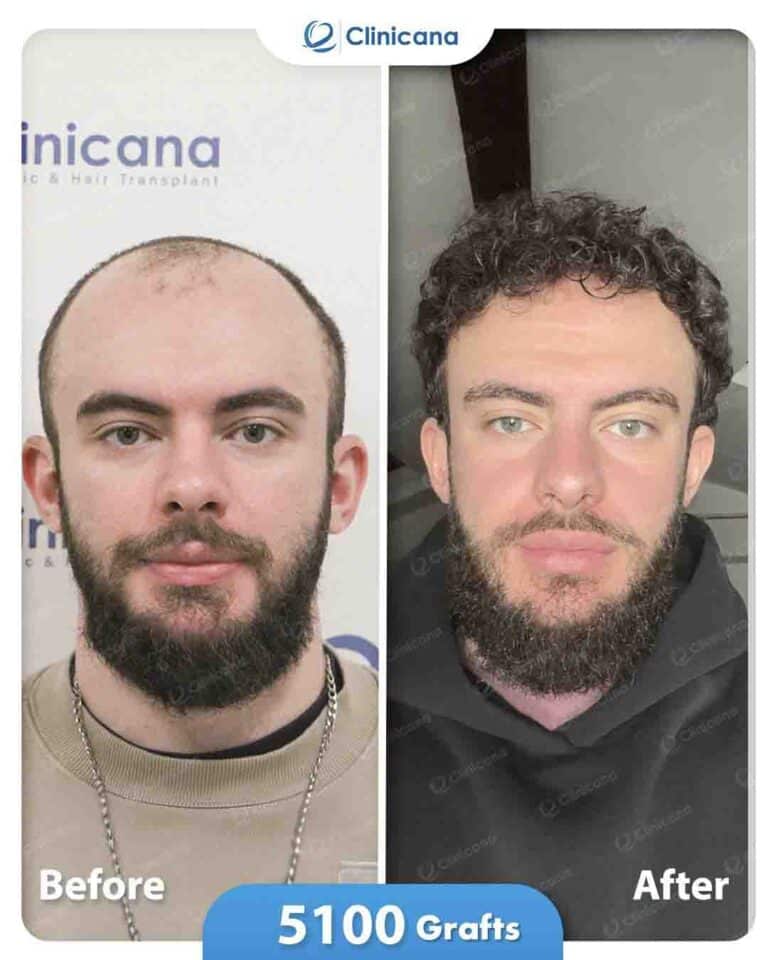
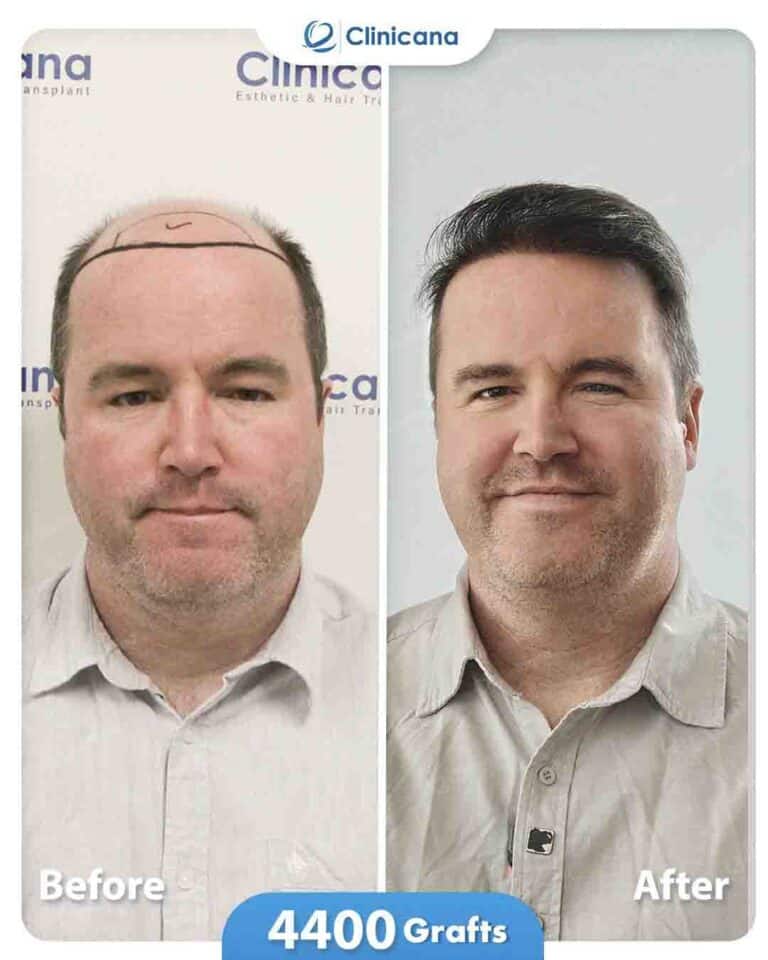
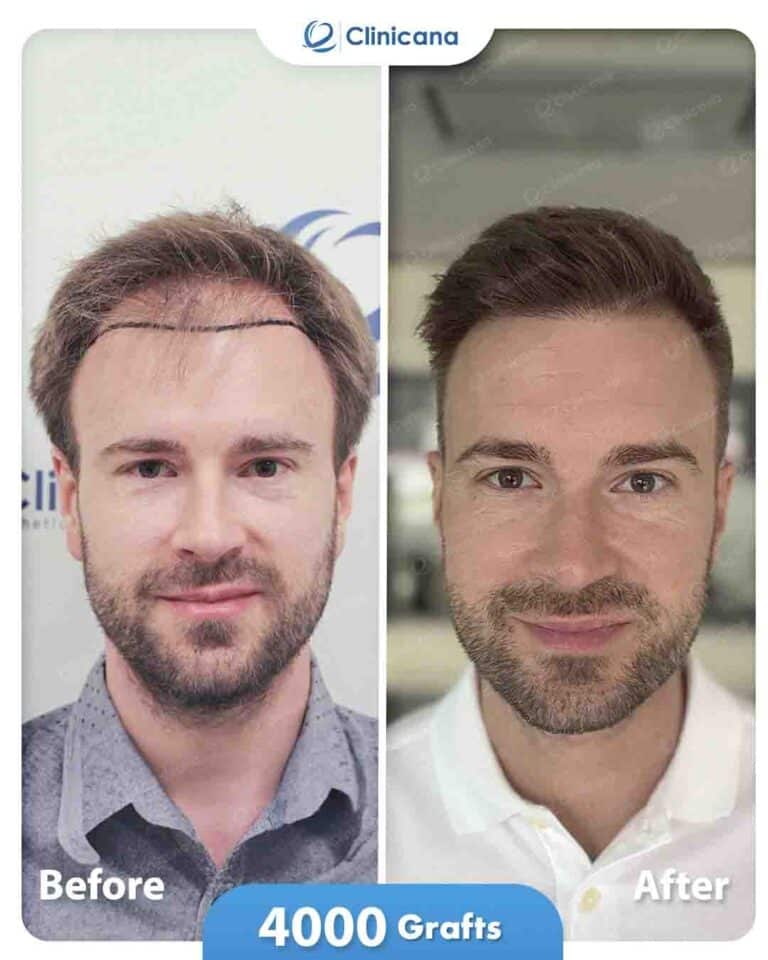
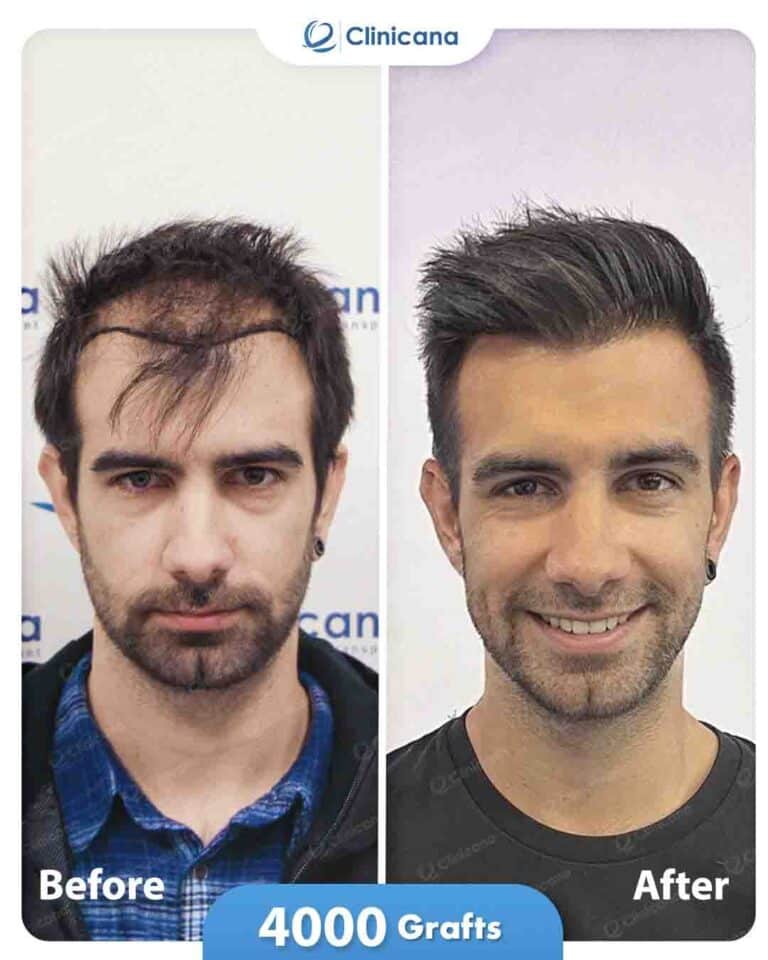
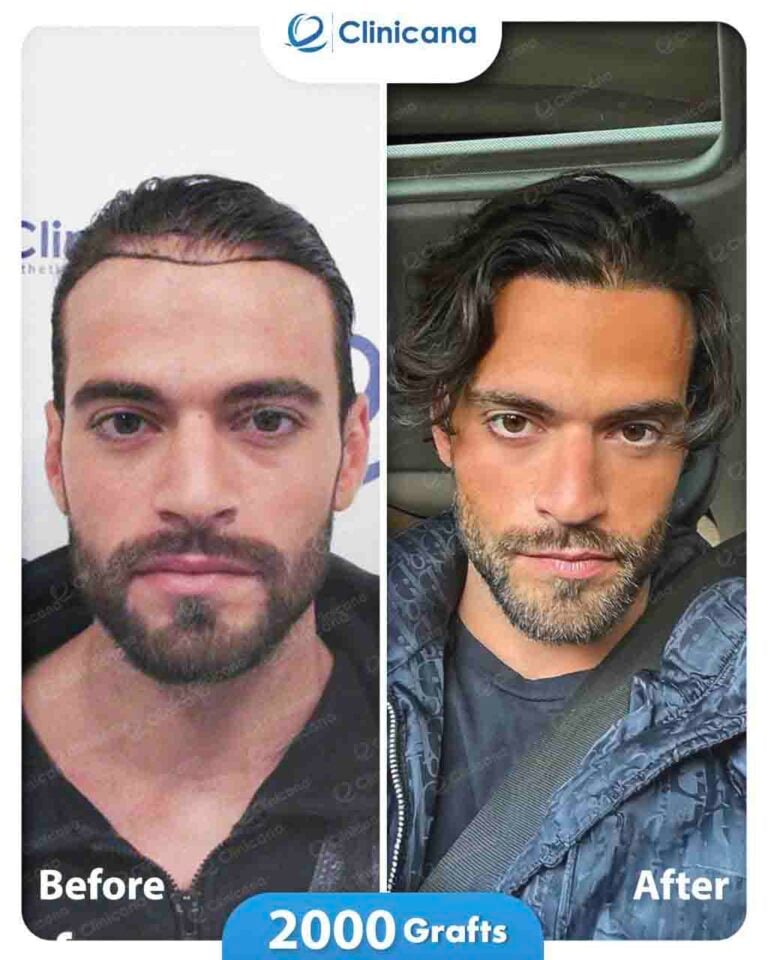
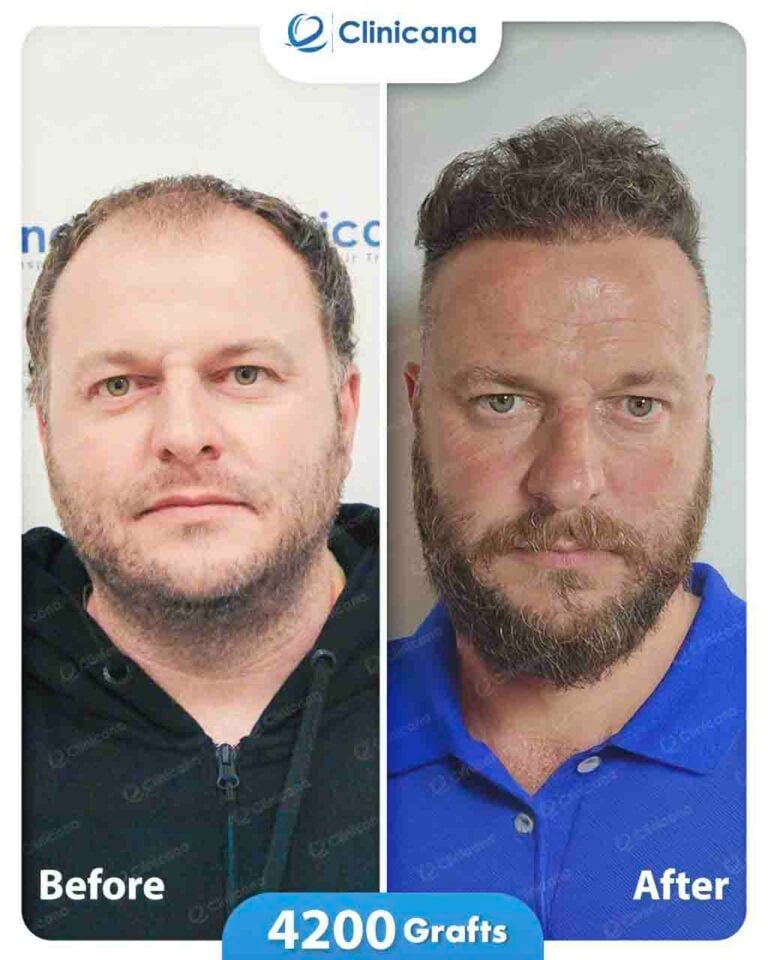
Hair Transplant Turkey Before and After Pictures

Thank you!
Your details have been successfully submitted. Thanks!