


Navigating the Path: Is a Hair Transplant Possible with Hepatitis B?
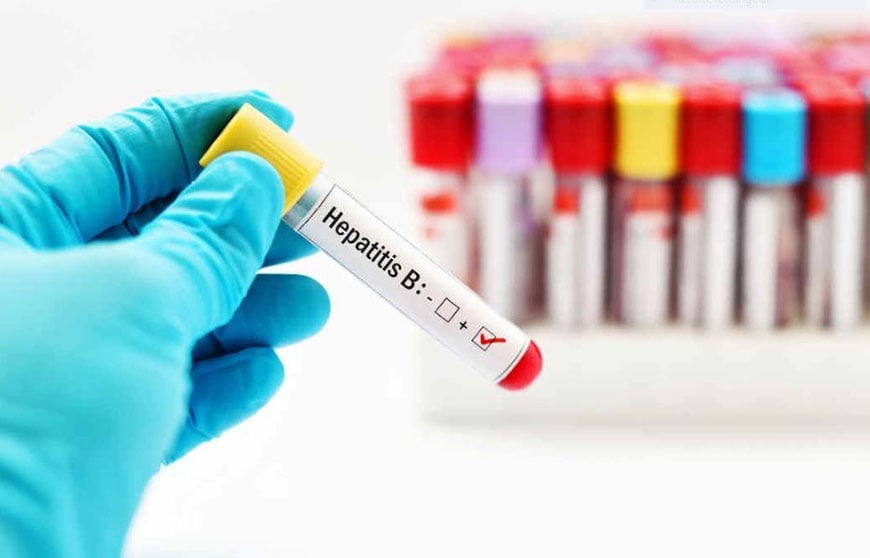
When considering a hair transplant, most patients focus on the aesthetic outcome—the density of the hairline or the shape of the temples.
However, for those living with Hepatitis B (HBV), the conversation shifts toward safety, ethics, and medical feasibility.
At Clinicana, we believe in radical transparency. Having Hepatitis B doesn’t necessarily mean the end of your hair restoration journey, but it does require a specialized approach to ensure the safety of the patient, the medical team, and the clinical environment.
In this detailed look, we will explore the intersection of liver health and hair growth, the protocols for HBV patients in Turkey, and how we manage the delicate balance between medical safety and aesthetic goals.
The Biological Connection: Does Hepatitis B Cause Hair Loss?
The liver is the body’s primary metabolic factory. It regulates hormones, filters toxins, and processes nutrients essential for every organ, including the skin and hair follicles.
When the HBV virus affects liver function, the ripple effects can reach your scalp.
The Indirect Impact of HBV
Chronic Hepatitis B can lead to systemic stress and nutritional deficiencies. If the liver is struggling to process proteins or regulate iron levels, the hair follicles—which are highly sensitive to metabolic changes—may enter a premature resting phase, leading to thinning or shedding.
The Treatment Side Effect: Interferon
Ironically, the treatment for Hepatitis B is often a more direct cause of hair loss than the virus itself. Many patients undergo Interferon therapy, a powerful antiviral treatment known to cause temporary hair shedding (Telogen Effluvium).
The good news? This type of hair loss is almost always reversible once the therapy is completed and the body stabilizes.
Can You Get a Hair Transplant with Active Hepatitis B?
This is the most critical question. At Clinicana, our protocol is rooted in the highest international safety standards.
The Short Answer: If you have an active, detectable, or acute form of Hepatitis B, we cannot perform the surgery.
Why the Refusal?
- Patient Safety: A hair transplant is a surgical procedure. If your immune system is burdened by an active viral infection, the risk of post-operative infections and poor wound healing increases significantly. Your body needs to focus its resources on fighting the virus, not on healing 4,000 micro-incisions.
- Team and Environment Safety: Even with the most stringent sterilization, performing surgery on a patient with a high viral load poses a needle-stick injury risk to medical staff. Furthermore, to protect our other patients, we maintain a strictly controlled environment.
The “Healed” or “Inactive” Status: When the Door Opens
If you have a history of Hepatitis B but the virus is now inactive or you are a “healthy carrier” with a low viral load and normal liver function, a hair transplant may be possible.
The Role of Antigens and Antibodies
Even after the body has cleared the infection or suppressed the virus, HBsAg (antigens) often remain in the blood. This is why a simple screening might show a “positive” result even if you aren’t currently ill.
The Clinicana Protocol: If your initial screening in Istanbul shows the presence of HBV antigens, we don’t immediately cancel the surgery.
Instead, we perform a secondary, more specific test (ALT/AST levels) to check your liver function and determine if the virus is active.
If the second test confirms that your liver is healthy and the virus is not in an active state, we can proceed with the procedure under specialized safety protocols.
Transparency: The Most Important Step in Your Journey
The worst-case scenario for any patient is traveling to Istanbul only to have their surgery canceled at the clinic. This is why we emphasize absolute honesty during the initial consultation.
- Don’t Hide Your History: If you have ever tested positive for HBV, tell us before you book your flight. We can guide you on the specific blood tests to perform in your home country first.
- The Istanbul Screening: Every patient at Clinicana undergoes a mandatory blood test upon arrival. It is impossible for HBV to go unnoticed. If the virus is found to be active during this stage, the surgery will be canceled for safety reasons, resulting in a wasted trip.
Planning Your Trip as a Former HBV Patient
If your condition is inactive and we have cleared you for surgery, your 3-day itinerary in Istanbul remains largely the same, with a small adjustment for the specialized blood work:
- Day 1: Arrival & Verification: You will be picked up by our driver and taken to the clinic for blood tests. If the first test is positive for antigens, the ALT/AST test is performed immediately. Results are ready within an hour.
- Day 2: The Procedure: The hair transplant is performed using our advanced FUE or DHI techniques, with the medical team taking extra precautions as per international safety guidelines.
- Day 3: Post-Op Care: A final check-up, bandage removal, and detailed instructions on how to care for your new grafts.
Understanding the Costs of Extra Testing
In cases where a secondary test (ALT/AST) is required to verify liver health, there is a small additional laboratory fee, typically ranging between €40 and €80.
This is a direct cost from the lab to ensure your safety and the safety of the clinic.
FAQ
Will Hepatitis B affect the growth of my transplanted hair?
If the virus is inactive and your liver function is normal, there is no evidence that a history of HBV affects the survival or growth rate of the grafts. Your results should be just as successful as any other patient’s.
What happens if I didn’t know I had Hepatitis B?
Unfortunately, some patients discover their status during our mandatory screening. In such cases, if the virus is active, we must cancel the surgery. We then provide the patient with their results so they can seek medical treatment back home.
Is the medical staff at risk during my surgery?
We follow “Universal Precautions,” meaning we treat every procedure with the highest level of sterilization. However, knowing a patient’s HBV status allows us to use additional protective barriers and specialized waste disposal protocols.
Can I get a transplant if I have Hepatitis C?
The rules for Hepatitis C are similar to Hepatitis B. An active infection is a contraindication for surgery. You must be cleared by a hepatologist and show that the virus is undetectable before we can consider the procedure.
Why Clinicana is the Trusted Choice for Complex Cases
At Clinicana, we don’t take shortcuts with your health. Our reputation as the best-rated hair transplant clinic in Turkey is built on a foundation of medical ethics and patient safety.
We treat every case with the individual attention it deserves, ensuring that your path to a full head of hair is both successful and safe.
Integrity is the root of our success. If you have a medical history involving Hepatitis B, don’t guess—get an expert opinion.
Contact Clinicana today for a confidential, free consultation. Let’s discuss your medical history and build a safe plan for your transformation.


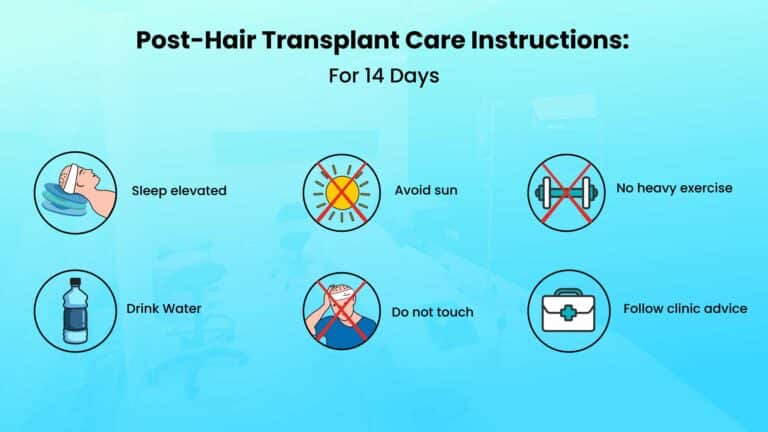
By Prof. Dr. Soner Tatlıdede · August 2026 Post-Op Field Checklist Time Phase Primary Clinical Objective Washing & Care Protocol Recommended Sleep Position Activities & Essentials Days 1 – 3 Protection & graft stabilization No washing allowed (spray moisturizing saline spray only) Sleep on back at a 45° incline with neck pillow Complete rest, avoid bending forward, […]

By Prof. Dr. Soner Tatlıdede · June 2026 TL;DR: Why does my head sweat so much? Excessive head sweating (craniofacial hyperhidrosis) affects 3% of the population and occurs when sweat glands are overactive, triggered by stress, heat, certain foods, or medical conditions. Treatment options include proper scalp care, dietary changes, Botox injections, and prescription medications. […]

By Prof. Dr. Soner Tatlıdede • July 2026 Determining the best age for a hair transplant is one of the most frequent questions raised by individuals experiencing progressive hair thinning or androgenetic alopecia. In the medical world, answering this question goes far beyond a patient’s emotional desire to restore density and youthfulness; it relies on a deep […]


Thank you!
Your details have been successfully submitted. Thanks!