


Receding Hairline Stages: The 7 Types on the Norwood Scale

There are several receding hairline stages, and since this one of the first symptoms of alopecia, knowing the different types of receding hairlines is important to take measures against hair loss. Although it may be seen as a minor problem at first, over time a receding hairline can become very pronounced, leaving large areas devoid of hair on scalp.
Contrary to general belief, receding hairlines do not only appear in men, but also in women, and not just elder people, but also by many young people get them: this is something that we see every day in our clinic, where people asking us about the cost of a hair transplant are of any age and gender. Therefore, in this article we want to talk about questions frequently asked by our patients, such as what are the signs of receding hairline, what are the stages of receding hairline in men, how can we stop hair loss, or what is the best haircut for hairlessness.
What causes receding hairline?
Although there are multiple causes for hair loss, the main and most common is pattern hair loss (that is, inherited baldness), caused by the action of a molecule derived from testosterone, the dihydrotestosterone (DHT): this is a hormone that, in those people with genetic predisposition, causes damage to hair follicles, which are destroyed and lose forever their ability to generate new hair.
Pattern hair loss is triggered when these hormones come into action, and therefore it can generate a receding hairline in men, but also a receding hairline in women; hair loss follows a pattern that is progressive, starting at hair front line and in the crown, because hair follicles in these areas are more sensitive to DHT; on the contrary, follicles on head sides and on nape are more resistant to this hormone.
Is my hairline receding?
As we have already mentioned, receding hairlines appear at any age, and although they usually appear in men and women from the age of 40, it is not uncommon to see some persons with receding headlines in their hair from the age of 20, especially among men.
However, the appearance of receding hairlines and hair loss does not follow a unique pattern: in some cases, in a matter of a few years receding hairlines become more and more pronounced, until they lead to a complete alopecia; but in other cases, many years, even decades, may pass without apparent changes in our receding hairlines. For this reason, it is important to pay attention to the evolution of receding hairlines, in order to determine what type of measures should we take to stop alopecia.
When the progression of alopecia is fast, the receding hairline becomes more and more pronounced, leaving an increasingly wide forehead while hair density in the crown area begins to decrease; in some cases, hair front line retracts homogeneously up to the crown, while in others the receding hairline advances but leaves an “island” of hair in the upper frontal area of the scalp.
Not sure whether your hairline is receding or simply maturing? Our guide to the early signs of a receding hairline walks through the checks.
Receding hairline stages: the 7 types on the Norwood scale
In order to establish the stages of a receding hairline, we can use the Hamilton-Norwood scale, created in 1951 by doctor Hamilton and later updated in 1975 by doctor Norwood; this scale has up to seven levels to measure how pattern hair loss progresses; from this scale, we can therefore define 7 types of receding hairlines:
- Type I: receding hairlines are minimal or non-existent; this is a stage in which, if there are baldness precedents in our family, a periodic review is advisable to see how receding hairlines progress.
- Type II: receding hair at both sides of forehead is evident, although it can remain like that for years; as we said before, in some cases hair front line retracts homogeneously, and in others hair disappears mainly on the sides, but hardly recedes in the central frontal area.
- Type III: when a type 3 receding hairline appears, then we can say that baldness is occurring, and that a receding hairline treatment is certainly necessary; at this stage, the receding of hair in the front line is very pronounced, and hair begins to fall out in the crown: a hair transplant for receding hairline can be considered.
- Type IV: baldness progresses, and areas devoid of hair appear on the crown, as well as on the forehead and in the sides of the head.
- Type V: as receding hairline and baldness progress, the crown and the hairlessness are only separated by a narrow strip, still covered in hair. Viewed from above, the areas that retain hair on the head are horseshoe-shaped.
- Type VI: the receding hairline has progressed so much, that the strip of hair that used to separate it from the crown has practically disappeared: from this level on we speak of severe baldness, and the only viable solution to recover lost hair is to perform a hair transplant.
- Type VII: once we have reached this level of alopecia, we are no longer talking about receding hairlines, but about generalised and chronic baldness; hair on the head has almost completely disappeared, except on the sides and on the nape: these will become the donor areas in a FUE hair transplant.
How to stop receding hairline
As we have just seen, receding hairlines mark the progression of baldness, and when they become very pronounced, usual medical treatments against hair loss are useless: hence the importance of regularly monitoring your hairline and consulting a specialist.
When receding hairlines appear, people seek solutions on how to fix receding hairlines: at first, some try to hide them resorting to a receding hairline haircut: fade haircuts, long hair with fringe, short hair, shaved hair, etc. Many hairstyles for receding hairlines can be found on the Internet, but they only work in receding hairline early stages.
We must bear in mind that, even if we are in time to apply a drug treatment against hair loss, this will never make hair grow back at receding hairlines, nor can it completely stop baldness. If a product, or a clinic, says the contrary… they simply will be lying to us.
This type of drugs – such as minoxidil or Fenasteride – manage to stop the action on follicles by the DHT hormone – and therefore the progression of baldness – strengthening hair and stimulating its growth in healthy follicles present in those areas that still have hair; but never, ever can these drugs get hair to grow back again in those follicles that already have been destroyed by DHT.
Also, let’s not forget that like any other medicine, anti-alopecia drugs have side effects, and that once we stop the treatment, hair will fall out again. Other treatments such as Platelet Rich Plasma (PRP) are also very effective in strengthening preserved hair and stimulating its production in healthy follicles: but, again, PRP cannot make hair grow back in already bald areas.
Some hairlines start from a V-shaped point rather than a straight line. If yours does, read about whether a widow’s peak is a sign of balding before comparing it with the Norwood stages.
Receding Hairline or Mature Hairline?
Almost every man’s hairline moves up slightly in late adolescence or the early twenties, forming a mature hairline about a finger’s width above the teenage one. A receding hairline keeps moving back, deepens at the temples and is accompanied by thinner, miniaturized hairs. If you are unsure which one you have, use the home checks in early signs of a receding hairline, or the self-assessment in how to check your Norwood stage at home.
Treatment Options by Stage
| Norwood stage | Typical situation | Usual approach |
|---|---|---|
| 1–2 | Mature hairline or very early recession | Monitor with photos; treat early if family history is strong |
| 2–3 | Clear temple recession | Medical treatment (finasteride, minoxidil); hairline transplant if stable |
| 3 vertex – 4 | Temples plus crown thinning | Medication plus a planned transplant of the front, crown later if donor allows |
| 5–7 | Large bald area | Transplant focused on the front and mid-scalp; donor capacity decides coverage |
Receding Hairline in Women
Women rarely get a receding hairline in the male pattern. A hairline that moves back in a woman, especially with eyebrow loss, can be a sign of frontal fibrosing alopecia, and tight hairstyles can cause traction alopecia. Both need a dermatologist’s assessment before any treatment.
Can a Receding Hairline Grow Back?
Hair that has only become thinner (miniaturized) can partly recover with medication. Areas that have been completely bald for years usually do not regrow; there, a transplant is the only way to restore hair. The earlier treatment starts, the more native hair you keep.
A hair transplant: the only definitive solution
The only definitive solution if we are very advanced in receding hairline stages, are hair implants: FUE hair transplant is the only technique that allows repopulating the receding hairlines and the crown, without the risk of losing hair again, and without additional treatments. At Clinicana, you can send us clear photos of your scalp (front, top, crown and donor area) through our contact page and the medical team will review your case and recommend the right option. See our hair transplant packages for what is included.


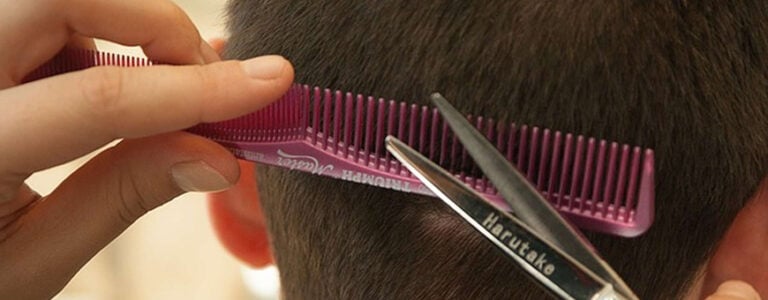
Medical review by: Prof. Dr. Soner Tatlıdede, hair transplant surgeon (22+ years, 18,947 procedures) – October 2026 When can you cut your hair after a hair transplant? Hair in the donor area can be trimmed after 1 month using scissors or clippers. As for the recipient area, trimming only the ends of the hair using […]
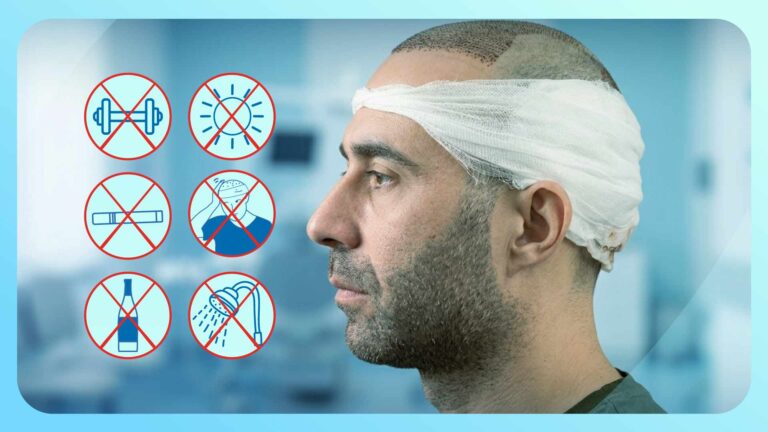
Medical review by: Prof. Dr. Soner Tatlıdede, hair transplant surgeon (22+ years, 18,947 procedures) – October 2026 Congratulations on completing your hair transplant. While the surgical part is finished, the success of your restoration now depends heavily on the recovery phase. In our clinical experience, the first two weeks post-surgery are just as critical as […]
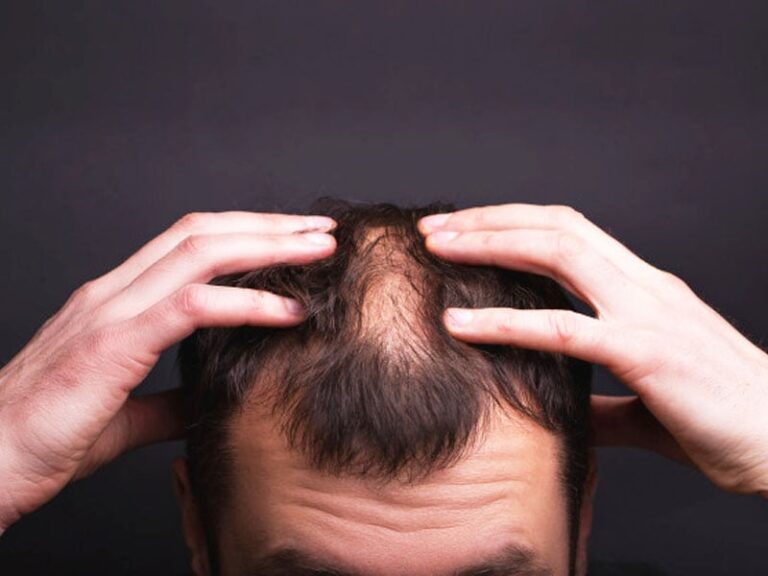
Scalp psoriasis and seborrheic dermatitis are chronic inflammatory conditions that frequently cause discomfort, itching, redness, and scaling. For individuals experiencing hair thinning alongside these conditions, severe anxiety often arises regarding permanent follicle loss and the feasibility of hair restoration. A central concern among patients is whether undergoing a hair transplant while managing scalp psoriasis is […]


Thank you!
Your details have been successfully submitted. Thanks!